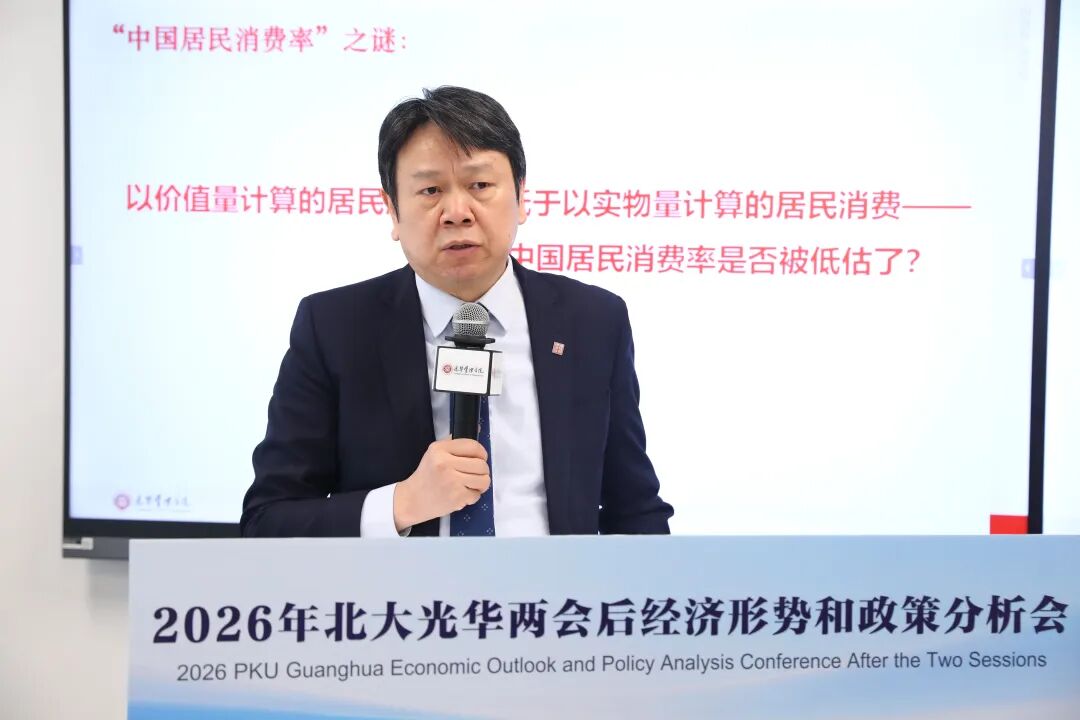
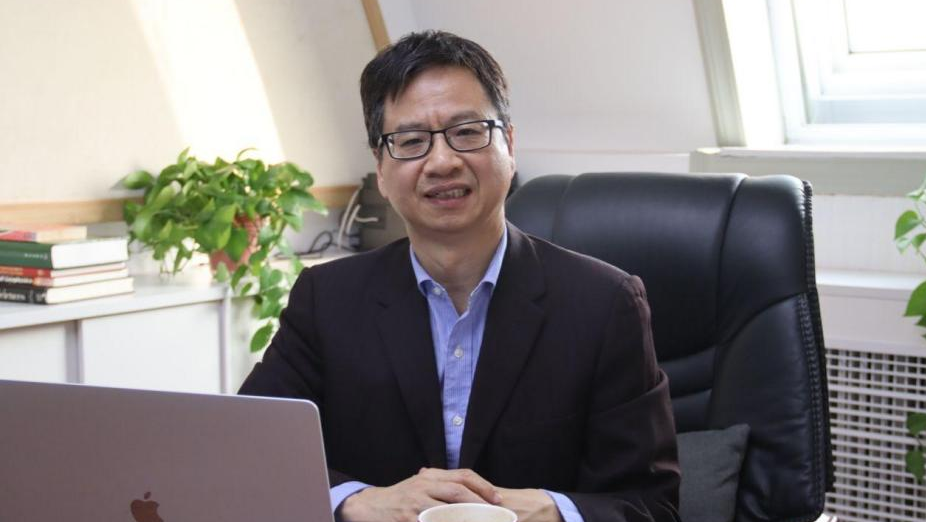
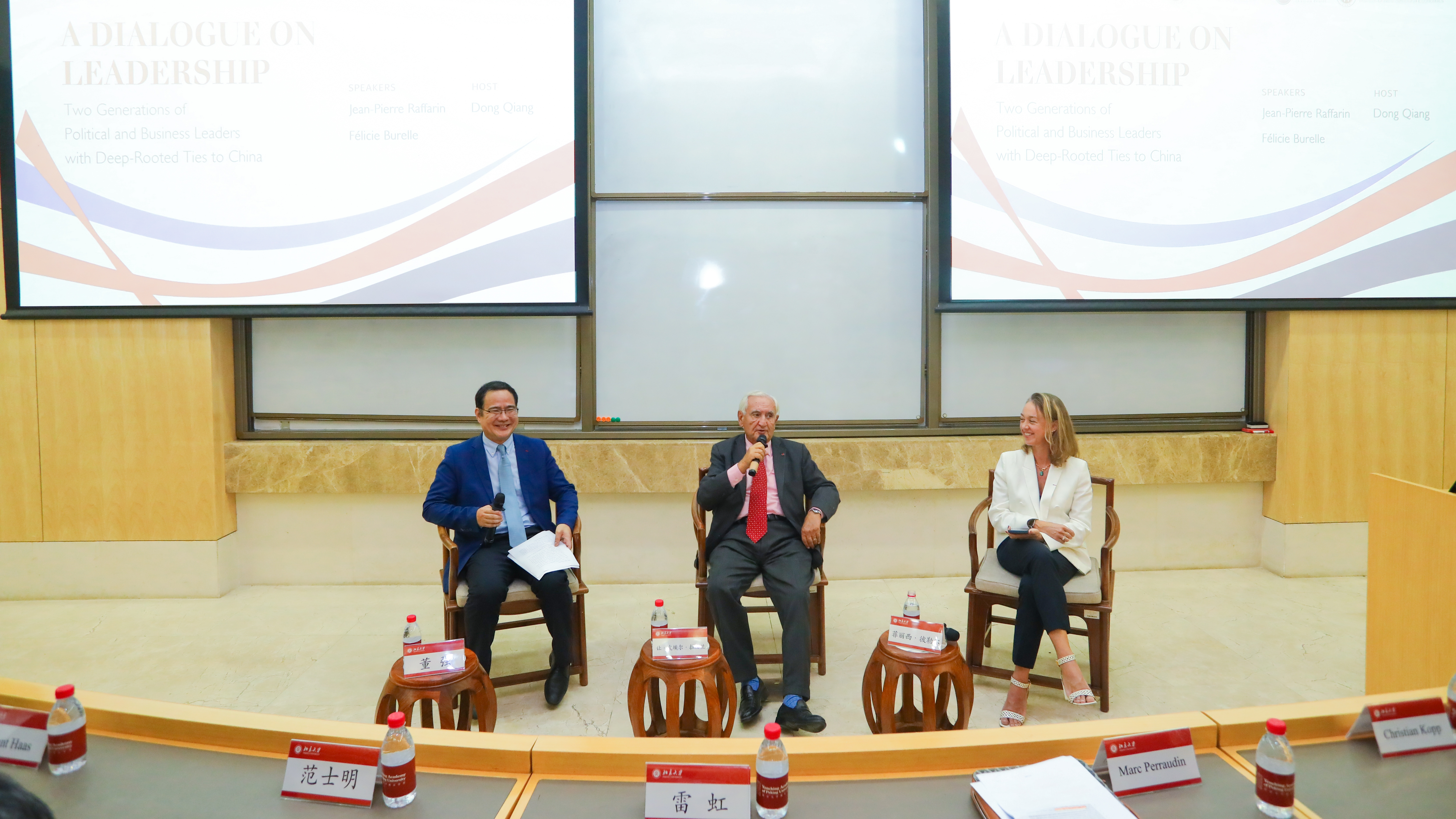
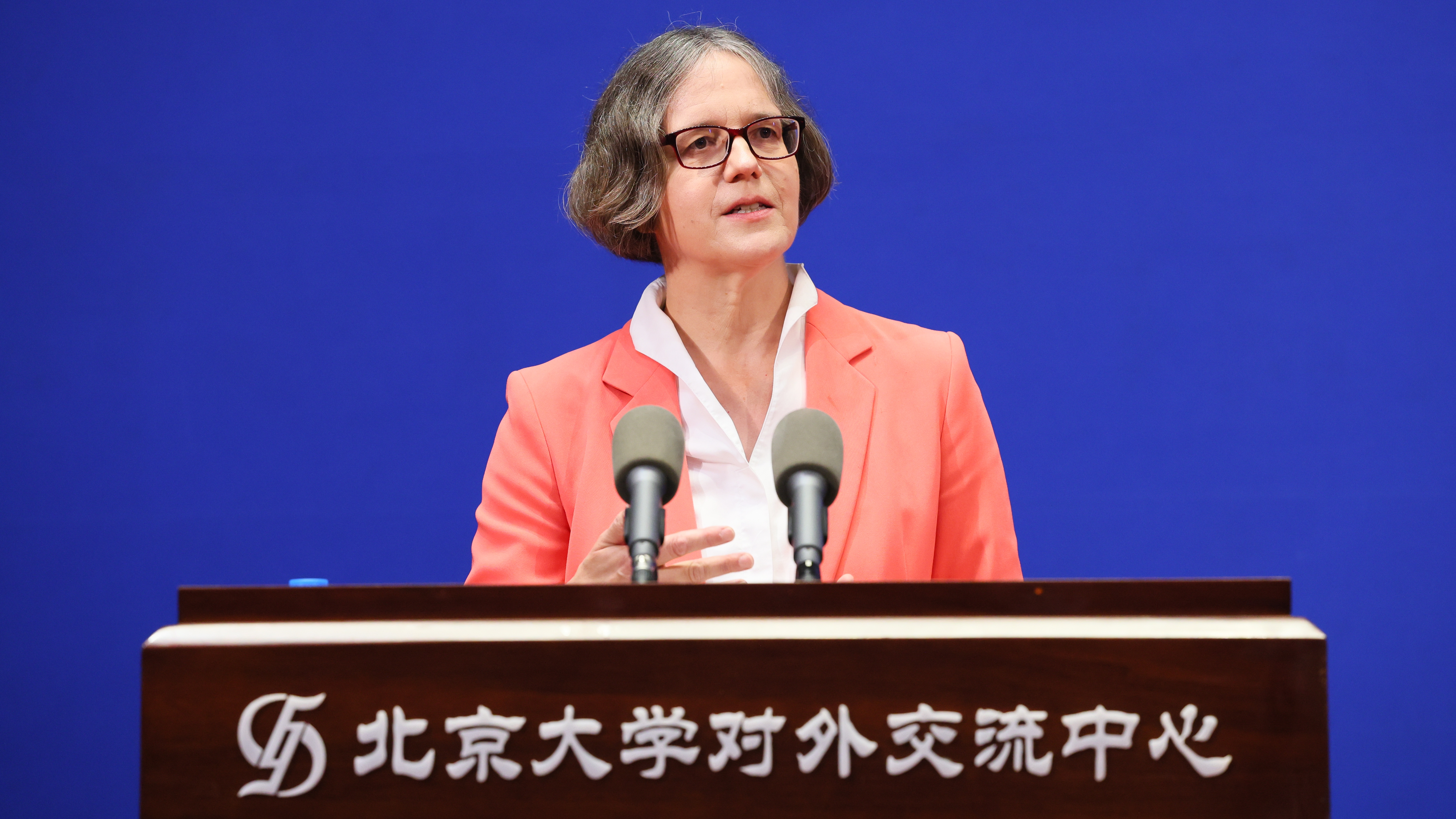
Liu Qiao, professor and dean of Guanghua School of Management, Peking University. [Photo provided to chinadaily.com.cn]
The core challenge facing China's economy today is to break the structural cycle of "low prices, low profits, and low incomes". The key to resolving this predicament lies in "investing in people" and boosting household consumption, Liu Qiao, professor and dean of Guanghua School of Management, Peking University, said at the 2026 PKU Guanghua Economic Outlook and Policy Analysis Conference After the two sessions on Tuesday in Beijing.
"What truly constrains economic growth are not the things we excel at doing, but those that are essential yet difficult to improve," Liu said. "The former refers to investing in physical assets, while the latter refers to investing in people."
Starting his analysis from China's household consumption rate, Liu pointed out that while the physical consumption volume of Chinese residents has far exceeded the global average, the proportion of consumption in GDP calculated by value remains significantly low.
This is mainly due to the low prices of domestic goods and services and the relatively small share of service consumption, which are, in turn, caused by excessive competition resulting from the massive manufacturing capacity and the continuous compression of profits, thereby limiting the growth of workers' income and consumption capacity.
In the face of this structural contradiction, he believes that the key to China's high-quality development lies in focusing on investment and financing in key industries and critical areas in the context of modernization drive.
Meanwhile, it is essential to closely integrate "investing in physical assets" with "investing in people".
Through a comprehensive set of measures — including optimizing GDP accounting methods, increasing residents' disposable income and property income, promoting the urbanization of rural migrant workers, improving social security and childbirth support systems, accelerating the construction of a unified national market, strongly supporting enterprises to expand overseas, and promoting the transformation of enterprises from scale expansion to innovation-driven development — China can truly enhance residents' consumption capacity and willingness, drive the improvement of total factor productivity and the development of new quality productive forces — ultimately breaking the cycle of inefficiency and achieving balanced and sustainable economic growth.
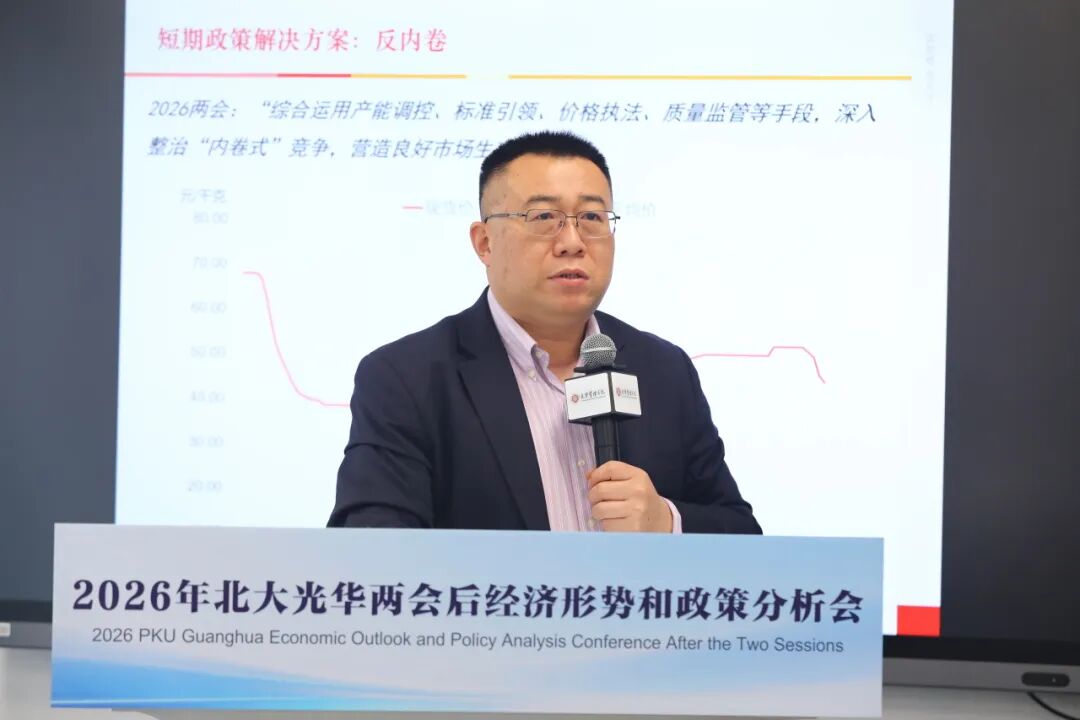
Yan Se, associate professor and deputy director of the Institute of Economic Policy Research, Peking University. [Photo provided to chinadaily.com.cn]
Yan Se, associate professor, and deputy director of the Institute of Economic Policy Research, Peking University, pointed out that China's economy is embracing a new cycle driven by long-term factors.
In his view, the overcapacity and downward pressure on prices that have plagued China over the past few years have taken on new dimensions amid shifts in the global landscape and technological progress.
Geopolitical conflicts have heightened global uncertainty and triggered a buying spree for resource and industrial products, while the application of AI technology has generated massive energy demand.
Together, these two forces have boosted global demand for manufactured goods, putting China in an advantageous position thanks to its full industrial chain advantages and energy diversification strategy. The better-than-expected growth of China's exports in the first two months of this year is a concrete manifestation of this trend.
Against this backdrop, Yan Se concluded that China's more-than-three-year-long downward price cycle may be turning around, driven by strengthening external demand and rising costs.
He forecast that the producer price index could return to positive growth by the end of June, and that the consumer price index would rise to around 1.5 percent by the end of the year, which would help restore corporate profits and boost consumption.
He also projected that GDP growth in the first quarter would reach 4.6 to 4.7 percent. He stressed that emerging from the old cycle does not depend on traditional policies, but on China's solid industrial and technological strengths.
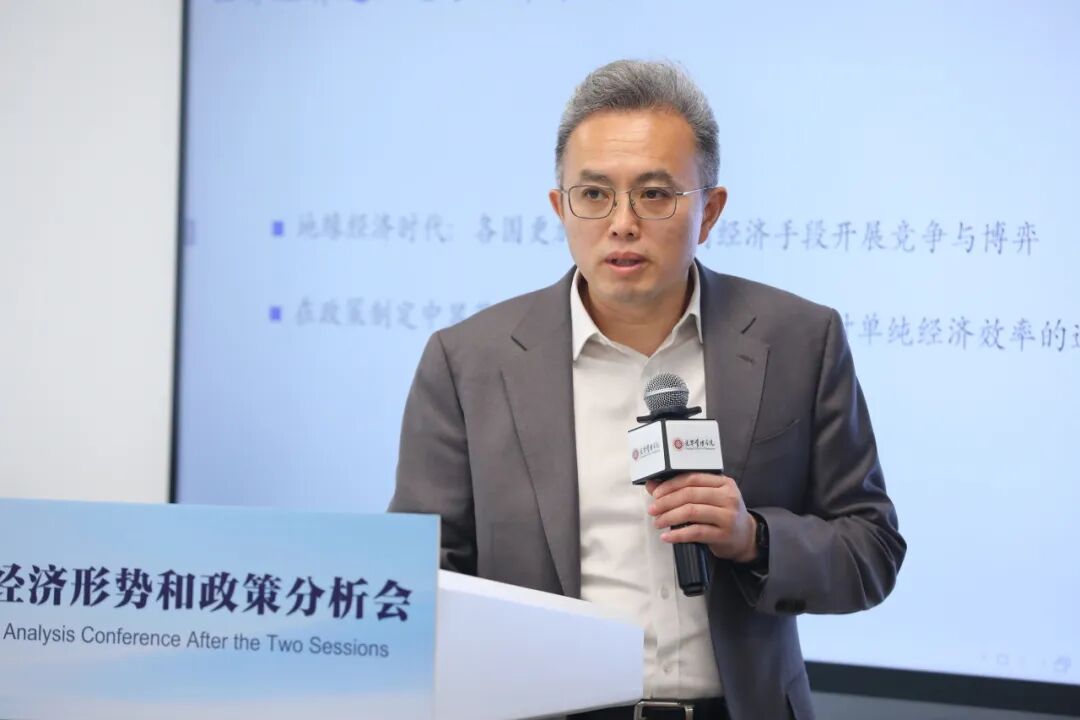
Tang Yao, associate professor at Guanghua School of Management, Peking University. [Photo provided to chinadaily.com.cn]
Tang Yao, associate professor at Guanghua School of Management, Peking University, said that the current rules-based international economic and trade order has been severely disrupted.
Trade in intermediate goods, trade in final goods, production technologies, international finance, logistics corridors, and other fields have all become key arenas for international competition and rivalry, and the global economy has entered an era of geo-economics.
In Tang's view, China has reached the major judgment that the global landscape is undergoing profound and complex changes: the defining themes of our time — peace and development — face grave challenges, yet economic globalization remains an irresistible historical trend, and international economic and trade cooperation and exchanges continue to be a vital driving force for world development.
He further analyzed that, on the basis of this judgment, China should actively promote the building of a community with a shared future with its neighboring countries, advance high-quality Belt and Road cooperation, and negotiate and sign regional and bilateral trade and investment agreements.
In an era of geo-economics, by leveraging these important open platforms through multi-channel opening-up, China will provide all countries with diversified solutions in key economic sectors — including products, services, production, transportation, and energy — to promote the economic development and economic security of all nations.
Source:
China Daily
Written by:
Sun Chi