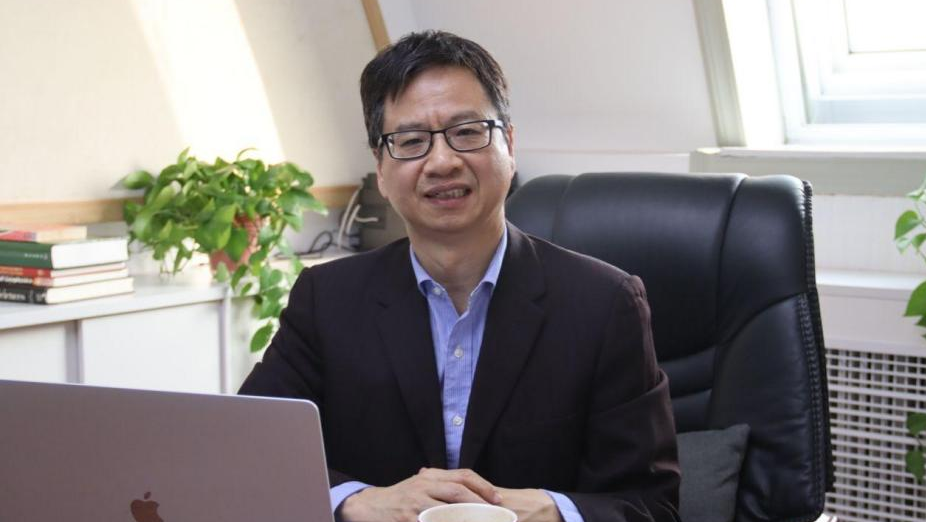
Xiang Yong, director of Peking University's Institute for Cultural Industries, hosts the Village of Tomorrow: A Global South Perspective on Rural Cultural Construction Academic Workshop, in Beijing on May 17. [Photo provided to chinadaily.com.cn]
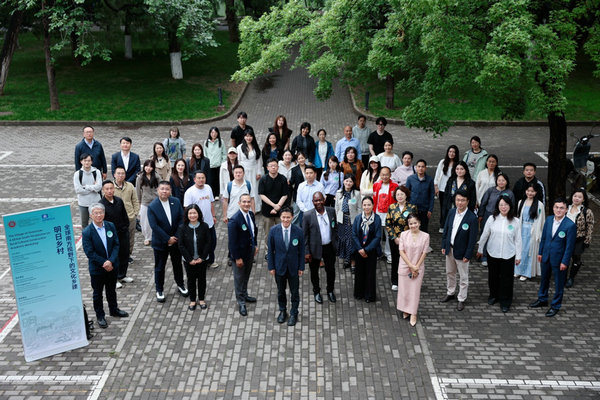
More than 30 scholars, policymakers, business representatives and media professionals from China, South Africa, Thailand and Vietnam gathered at Peking University on May 17 for an academic workshop examining cultural approaches to rural vitalization through the lens of the Global South.
The Village of Tomorrow: A Global South Perspective on Rural Cultural Construction Academic Workshop was jointly organized by the UNESCO Chair on Creativity and Sustainable Development in Rural Areas, the School of Arts at Peking University and the university's Institute for Cultural Industries.
The workshop focused on theoretical exploration and practical strategies for culturally driven rural development, highlighting the role of local knowledge, heritage and community participation in shaping sustainable futures for rural areas across the Global South.
In his opening remarks, Xiang Yong, director of the Institute for Cultural Industries and chairholder of the UNESCO Chair on Creativity and Sustainable Development in Rural Areas, said that the workshop aims to move beyond geographical and cognitive boundaries, distill replicable experiences in rural revitalization, and explore new approaches through equal dialogue and mutual learning.
During a session highlighting recent achievements of the UNESCO Chair, Xiang introduced a series of initiatives launched over the past two years, including a global youth rural creative residency program, an international exploration project on art-led rural revitalization, a Chinese rural painting database, rural creative talent training programs, and a multilingual case-study archive on cultural practices for sustainable rural development.
Chen Ping, chairholder of the UNESCO Chair on World Traditional Handicrafts: Inheritance and Innovation, drew on field experience in traditional craft communities and emphasized the importance of institutional mechanisms encouraging youth participation in safeguarding living heritage.
More than 30 scholars, policymakers, business representatives and media professionals from China, South Africa, Thailand and Vietnam join the academic workshop examining cultural approaches to rural revitalization through the lens of the Global South. [Photo provided to chinadaily.com.cn]
Lu Tao, a professor at the China Academy of Art, examined how emerging technologies are reshaping cultural industries. Through examples from digital art exhibitions, he proposed a framework integrating artificial intelligence, contextual intelligence and manufacturing intelligence to support innovation rooted in traditional culture.
Wang Sha, deputy director of the Research Institute of Better China Initiative at the China Academy of Art, argues that rural development should not rely solely on quantitative indicators but should also rebuild emotional ties between people and the land.
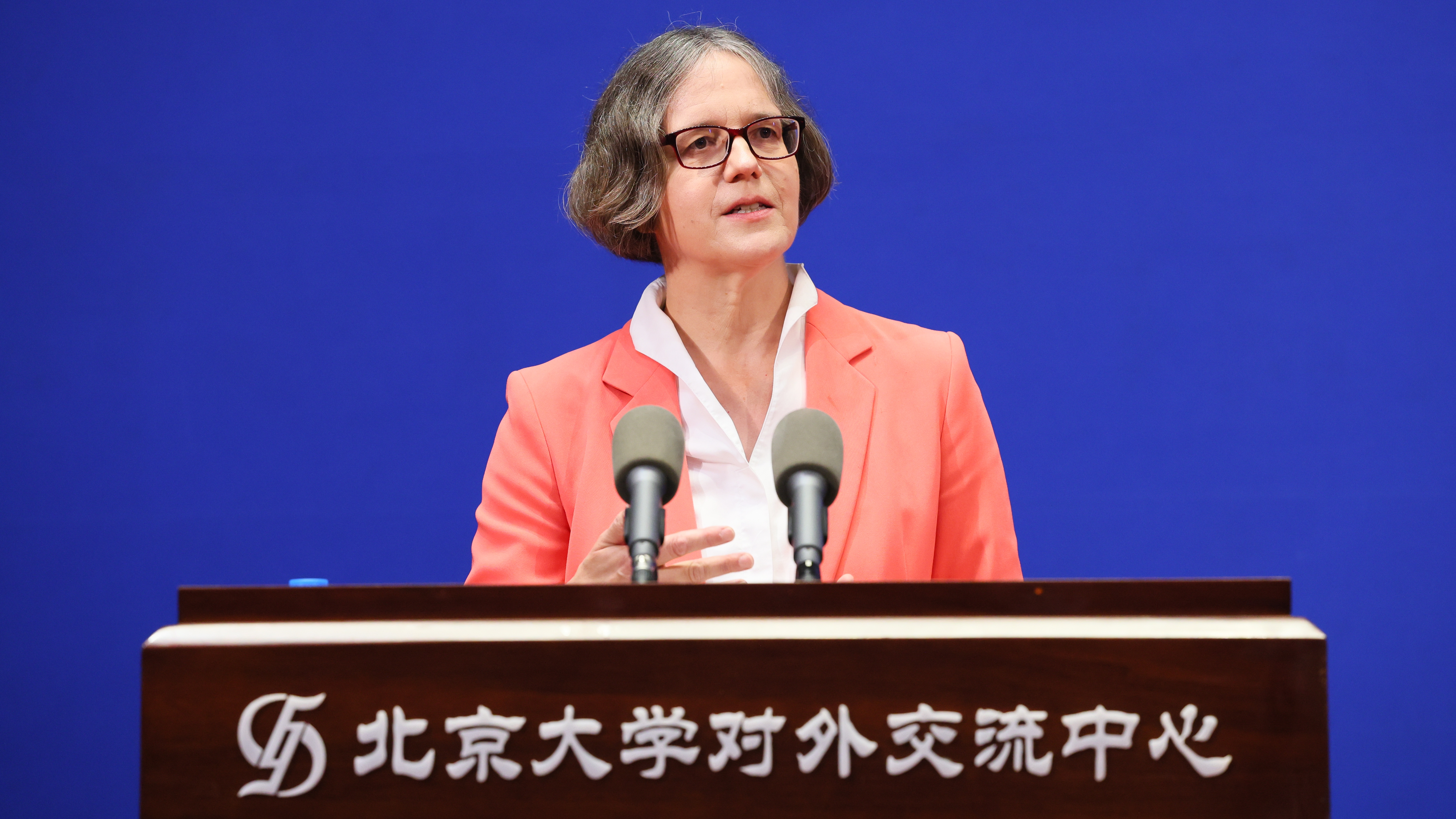
Wang Fang, a professor at Peking University's College of Architecture and Landscape, presented research on mapping and monitoring China's traditional villages through data-driven models, proposing a new framework for systematic heritage preservation.
Wang Liyun, associate professor at Zhejiang Gongshang University, summarized three major approaches to cultural rural vitalization — resource activation, investment in people and institutional empowerment — and stressed the importance of recognizing culture as an asset rather than a byproduct of development.
Additionally, the workshop featured two roundtable discussions on "Culture Empowerment and Local Development" and "Digital Intelligence and Rural Vitalization".
Against the backdrop of mounting global challenges, participants noted that rural vitalization through culture is evolving from a localized practice into a broader intellectual and social movement.
Source:
China Daily
Written by:
Yang Feiyue