Peking University, June 3, 2026: Fond memories were recalled, friendships renewed, and wisdom shared on the afternoon of May 30, as international alumni of the Institute of South-South Cooperation and Development (ISSCAD) reunited for the launch of the new book
China's Approach, Global Practice, which was part of the celebration for the Institute's 10th anniversary.
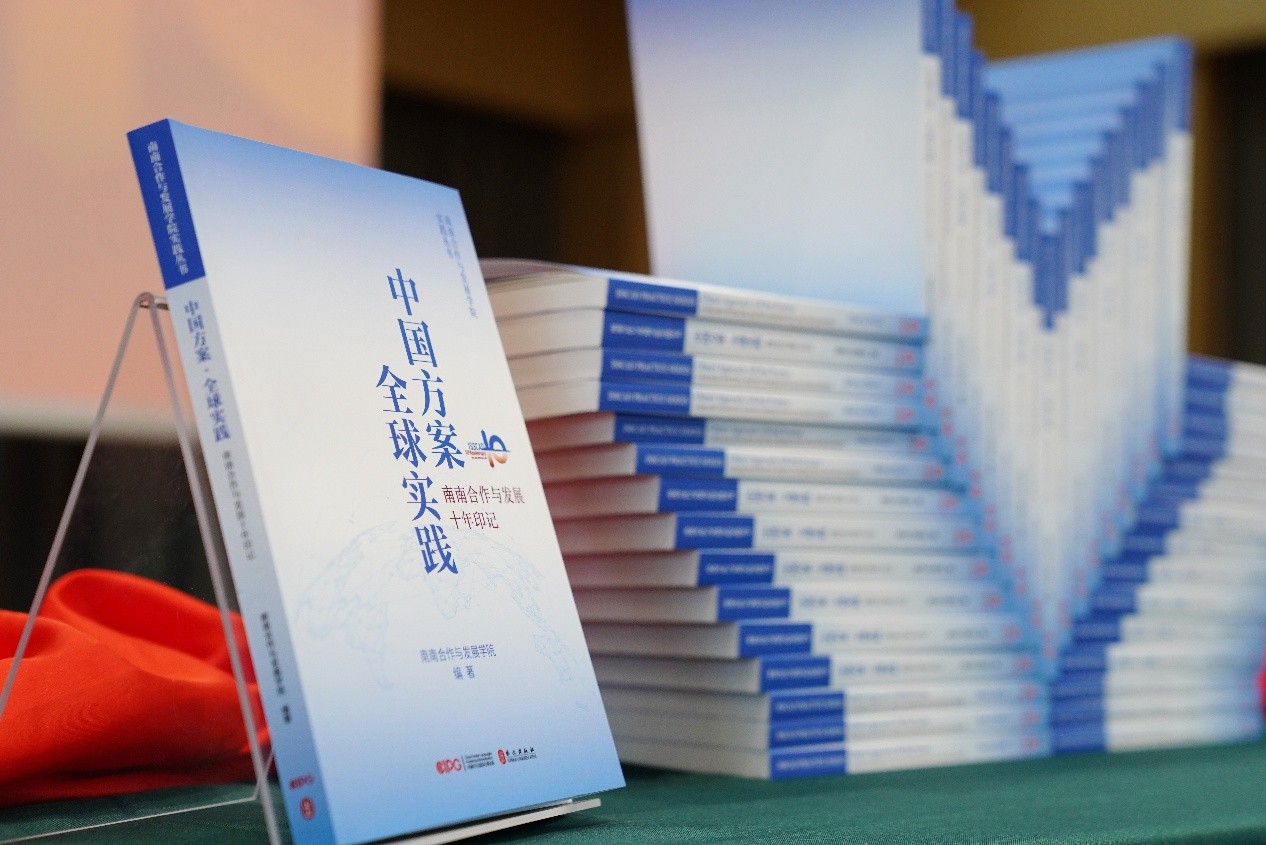
The Chinese version of "China's Approach, Global Practice".
The book is a collection of personal stories by 42 ISSCAD alumni from 25 developing countries documenting how they applied back home what they learned in China, "the first of its kind" published in the country, according to the book's prologue by Justin Yifu Lin, honorary dean of ISSCAD.
The ethos reflected in the book, said Justin at the event, is that there is more than one way to development. "Developing countries need to figure out what they have and what they can do and augment those advantages… instead of following an established model wholesale."
He pointed out that China used to be one of the poorest countries in the world 40 years ago, a fact that some alumni said had imbued them with confidence that any country, no matter how poor it currently is, can find its unique advantages and develop on a path suitable to its national conditions.
The message was echoed by Huang Yiping, dean of ISSCAD, who argued that the Washington Consensus, a set of free-market-oriented economic policy prescriptions, is not universally applicable. "The market has flaws, and sometimes the state has to step in to overcome those flaws by maintaining public order and distributing public goods."
He said that the uniqueness of this book lies in its detailed record of alumni's real-life experiences of adapting the "China model" to their respective national conditions. "We want to see more stories like this," said Huang. "South-South cooperation can only be improved by more dialogue and mutual learning."
Since its founding ten years ago following an announcement from President Xi Jinping at the 70th Anniversary Celebration of the UN, ISSCAD has admitted more than 500 students from more than 80 developing countries, forming an extensive alumni network. These alumni, who come from the public sector and academia, are bringing home not only knowledge, but also friendships and warmth—a goal at the heart of ISSCAD's mission.
This spirit was perfectly captured by Ethiopian alumnus Dr. Degaga Endalkachew Sime, PhD '25, who shared in the book stories of his family living in China and making friends with Chinese people, despite language barriers. A heartwarming moment for him was when his Chinese neighbor in Baoding drove him and his family to the airport on their departure.
"The most enduring lesson I carry away is that development is not only about factories and buildings; it is about the factories we build in our hearts, the bridges we construct between living rooms and playgrounds," Sime shared at the event.
In an interview with PKU News, he emphasized the indispensable skills he cultivated at ISSCAD, specifically crediting the Institute's interdisciplinary and soft skills training. He said the immersive global learning community has allowed him to build an extensive network of fellow African scholars, which supports his professional work across multiple African regions.
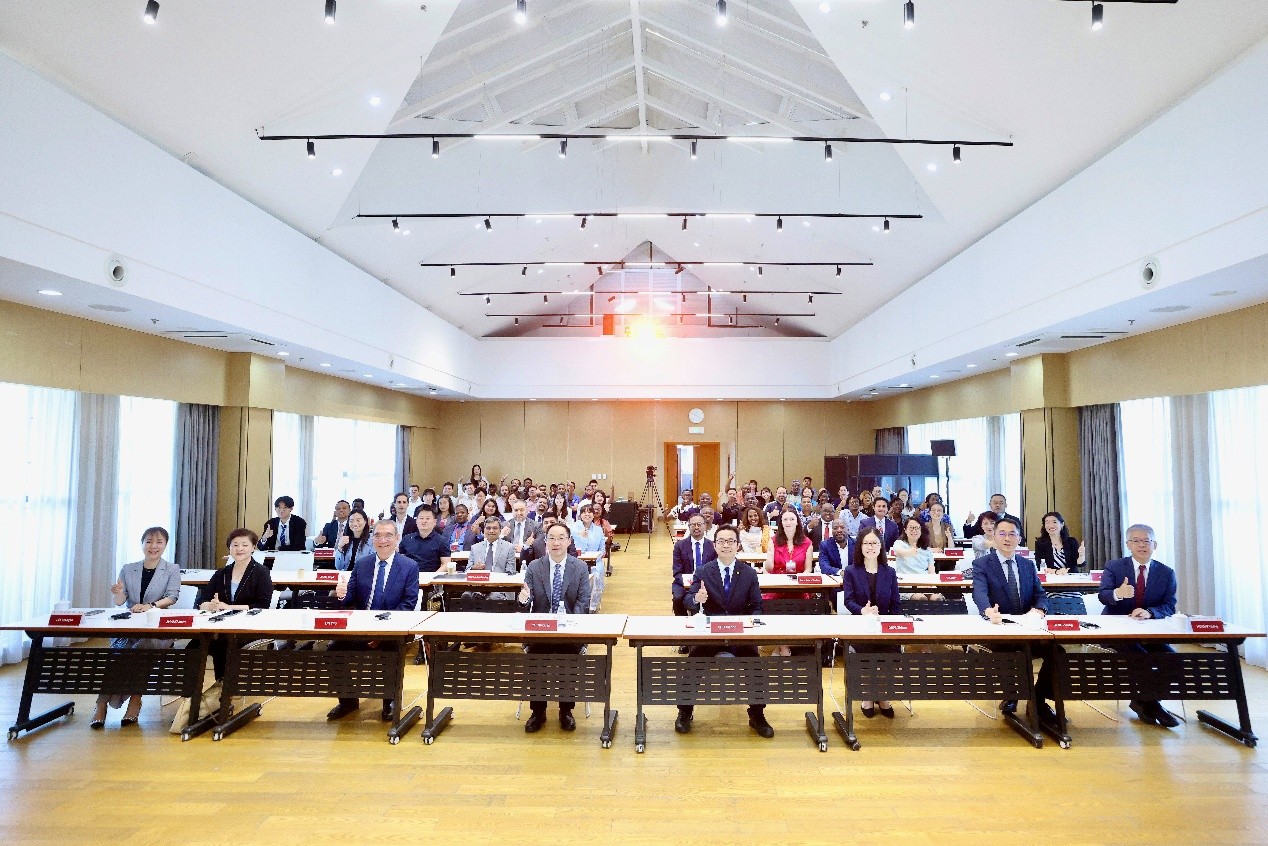
Group photo at the book launch event.
Bridges and Railways to Pakistan
For Farid Ghulam, MPA '23, a Pakistani divisional transportation officer (ports), the lessons learned on campus have become daily tools for tackling some of his country's largest railway and infrastructure challenges.
His PKU training gave him a critical thinking approach of using local conditions to devise localized responses. He relies heavily on the policy analysis and statistical analysis skills he acquired at PKU, applying them to real-world problems in Pakistan's public sector.
PKU's emphasis on cross-cultural teamwork and China's development model has made working alongside Chinese engineers on the China-Pakistan Economic Corridor (CPEC) ML-1 railway project considerably smoother. Farid collaborates with his Chinese counterparts almost every day, and a basic understanding of the Chinese language, gained during his time in Beijing, adds a pleasant dimension to their interactions.
He is careful to adapt the lessons from PKU to Pakistan's ground realities, ensuring that reforms fit the country's local institutional and operational context. Among the courses he found most valuable is
the Role of State in Economic Development of China, a key subject that directly relates to the public sector development projects he now manages.
The biggest unexpected takeaway from PKU, Farid says, was the alumni network, which helps him learn about development practices in other countries of the Global South. Even seemingly informal experiences have proven professionally relevant. Late-night walks in the campus sports complex, accompanied by healthy discussions about national development, still feel deeply connected to his current work and his organization's future.
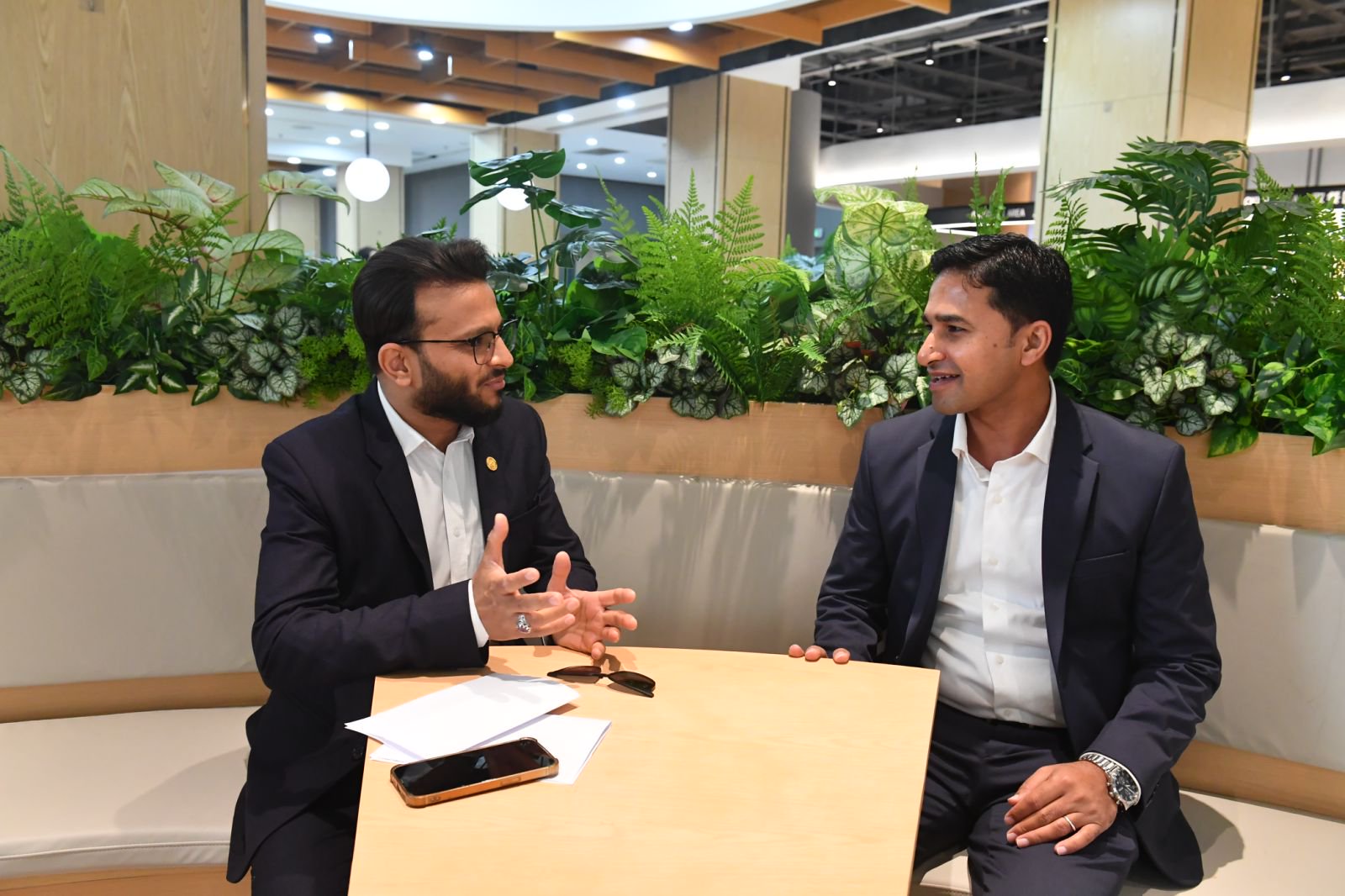
Farid Ghulam (right) in an interview with PKU student journalist Dr. Jawad Shabbir.
Farid's view of China-Pakistan economic cooperation has shifted significantly since his time at PKU. He has moved from just reading policy papers to seeing the real, on-the-ground impact of that cooperation on infrastructure development and energy supply networks in Pakistan. From what he learned at PKU, he notes that China's railway governance is more centralized and tech-driven, while Pakistan's system grapples with more institutional and resource constraints.
Sacrifice, Growth, and Building Trade Bridges
Dr. Raluca Boca, PhD '25, a Romanian customs official, describes the journey from doctoral student to policymaker as one marked by difficult decisions and transformative growth.
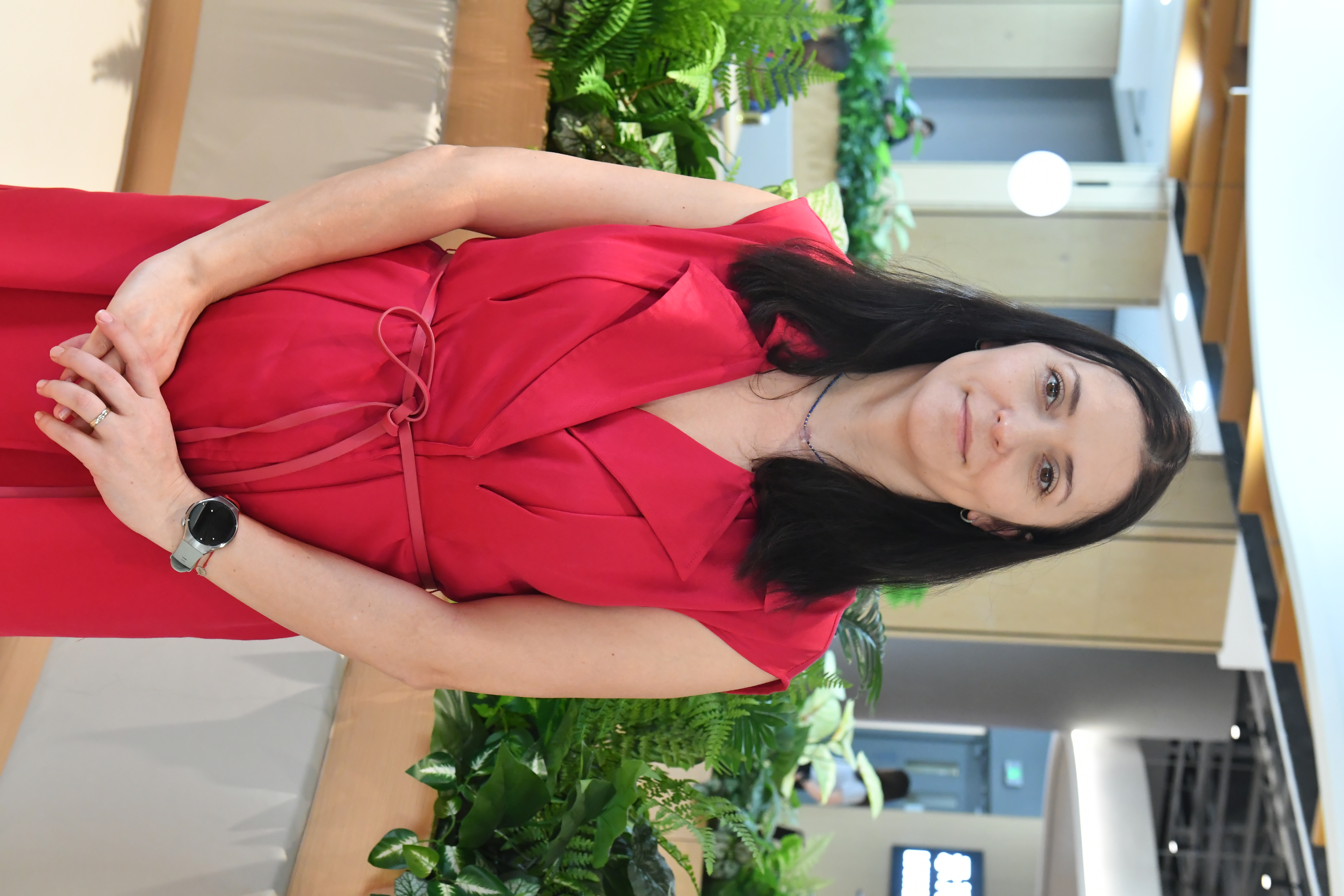
Looking back, leaving her family—including a baby just a few months old—to pursue a PhD in Beijing was one of the hardest choices she has ever made. Yet today, she describes the experience as absolutely worthwhile. The journey pushed her beyond her comfort zone both professionally and personally, making her stronger, more resilient, and more confident in her abilities. Beyond academic knowledge and research skills, she gained a broader international perspective, built valuable global connections, and discovered strengths she did not know she possessed. The sacrifices, she reflects, ultimately enriched her life and helped her grow into a better researcher, professional, and person.
Working in Romania's Customs Department, Boca has found that her PhD experience at Peking University gave her a broader and more strategic perspective on international trade. It helps her identify which customs procedures need improvement and which new mechanisms should be developed to facilitate trade while maintaining effective customs control. The academic and international exposure she gained at PKU has strengthened her ability to contribute to more efficient and trade-friendly customs policies.
The knowledge she relies on most is international economics and trade policy. Her studies at PKU helped her better understand how trade flows are shaped by regulations, market access conditions, and institutional cooperation—a perspective particularly valuable when evaluating customs procedures. This broader understanding directly informs her work on EU–China customs cooperation, helping her identify concrete ways to improve and streamline processes.
Looking back, the single PKU lesson most valuable in her daily work at Romania's Customs Department is the understanding that effective international cooperation requires not only knowledge of rules but also genuine appreciation for different institutional and cultural contexts. That perspective, she says, guides her every day as she works to facilitate trade, ensure compliance, and build bridges between Romania, the European Union, and China.
A Historian's Lens on the Future
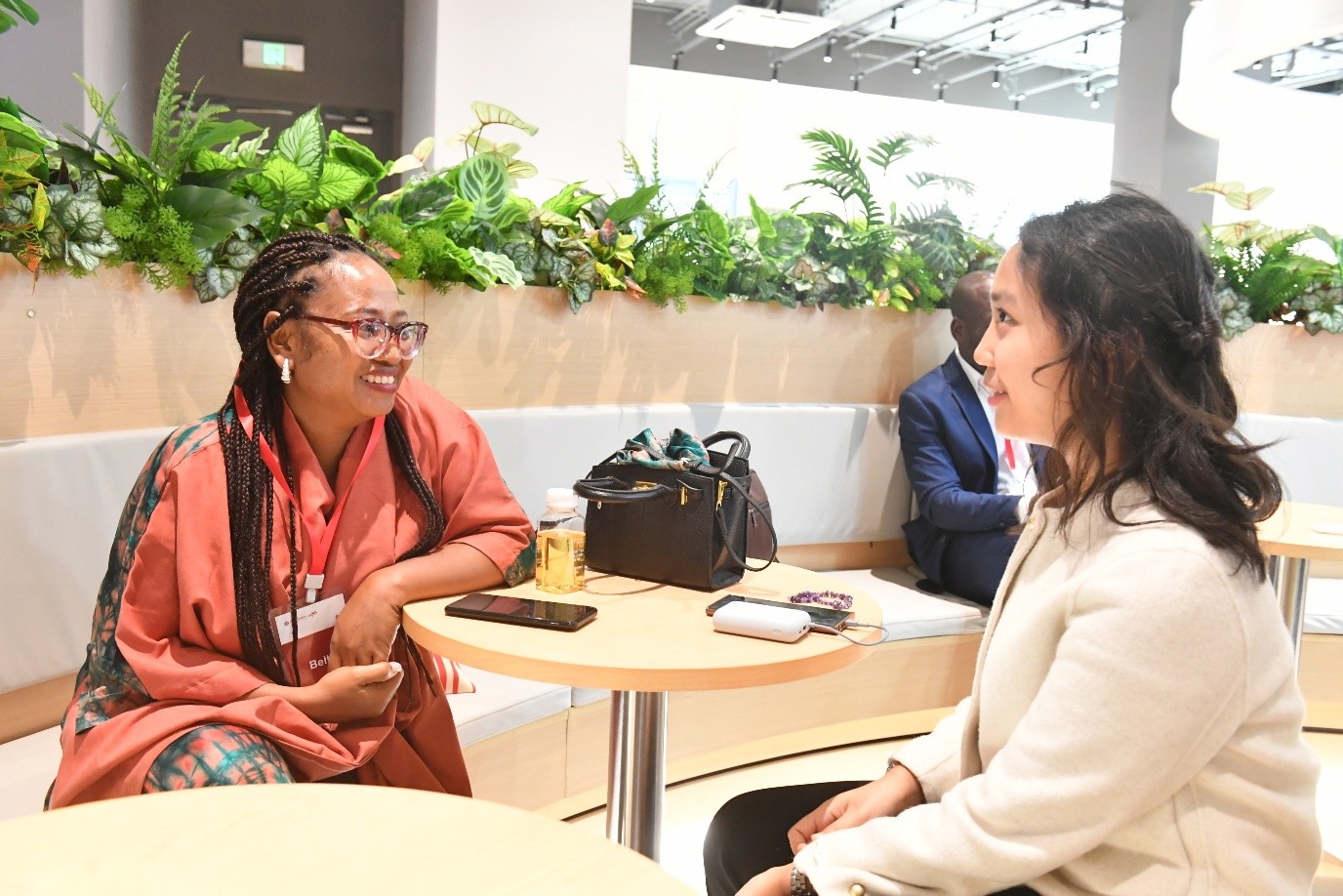
Bello Mariam (left) in an interview with PKU student journalist Jasmine Tardja.
The journey from Nigeria to Peking University was more than a geographical shift for Bello Mariam Gorethy, MPA '19; it was a leap into living history. At ISSCAD, her undergraduate background in history gave her a unique lens. She didn't just see a classroom—she saw a fascinating crossroads of the world. Accompanied by peers from other nations, she found profound joy in the global tapestry woven right in Beijing.
While the classroom offered rich discourse, she had her most exciting experience in the field—a trip to Xiaogang Village in Fengyang County, Anhui Province.
The village's history held a powerful lesson for prosperity. Mariam was captivated by the legendary story of the local farmers who took enormous risks in secretly signing an agreement to contract collective land to individual households. For Mariam, this historical spark of rural reform was a revelation of personal agency. It cemented a life philosophy she carries with her today—"if you want something to happen, it starts with you—don't wait for anybody to change your situation."
This deep understanding of grassroots empowerment heavily influenced her academic work. Drawing inspiration from China's economic rise, she wrote her dissertation centered on the National Population and Family Planning Commission.
Mariam analyzed how China successfully harnessed the power of its population, turning sheer numbers into an engine for unprecedented growth. Looking back at her home country, she passionately argued that Nigeria must adopt a similar approach—empowering and utilizing its own youthful population for development.
"A Good Friend of Myanmar"
Before she ever set foot in Beijing in 2017 to pursue a master's degree, Dr. Khin Mar Aye, PhD '25, studied economics in Japan, where academic seminars frequently discussed the mechanics of China's economic miracle.
"We discussed how China's economy was growing rapidly, but that was only discussion—we only saw it on the internet," Khin Mar Aye reflected. "When I arrived in Beijing, what I saw was really amazing."
That firsthand experience of China paved the way for a decade-long academic journey. Khin earned her master's degree at Peking University in 2018 and returned in 2022 to ISSCAD to pursue her PhD.
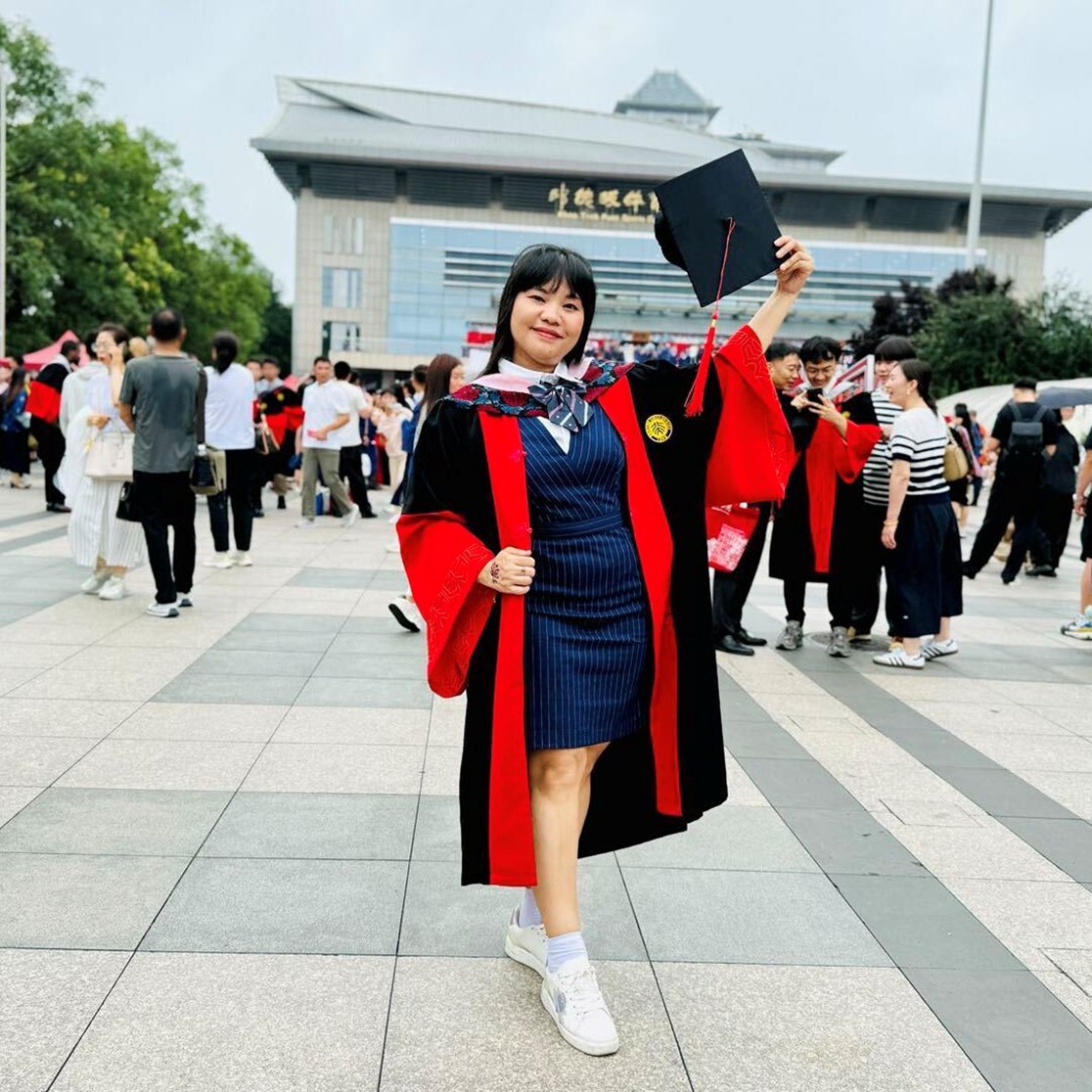
Khin earned her PhD in 2025.
Between her initial arrival and her doctoral research, she witnessed a society undergoing a profound digital and physical transformation.
"The cities are more modernized—not only in transportation, but in the markets, in the restaurants," she said. "I noticed that the technology is highly advanced. There is so much innovation, so much science. Artificial intelligence is used everywhere. It was a real eye-opener."
For Khin Mar Aye, these urban landscapes are not merely a modern spectacle; they represent a blueprint for her homeland Myanmar as it navigates its own challenges. Now as an official within Myanmar's Department of National Planning and Investment, she studies how China's rapid evolution might instruct her own country's future.
"We are both developing countries, and we have a similar culture," she explained. "That is why we can learn. We cannot copy, but we can reference the Chinese model for our country's development process."
That developmental footprint is already visible back home. Khin Mar Aye underscores China's substantial impact on Myanmar's physical landscape, pointing to the infrastructure—bridges, hydropower stations, and other projects built under the Belt and Road Initiative—that cements China's status as Myanmar's primary foreign investor.
"China is a good friend of Myanmar," said Khin.
Plan for the Future
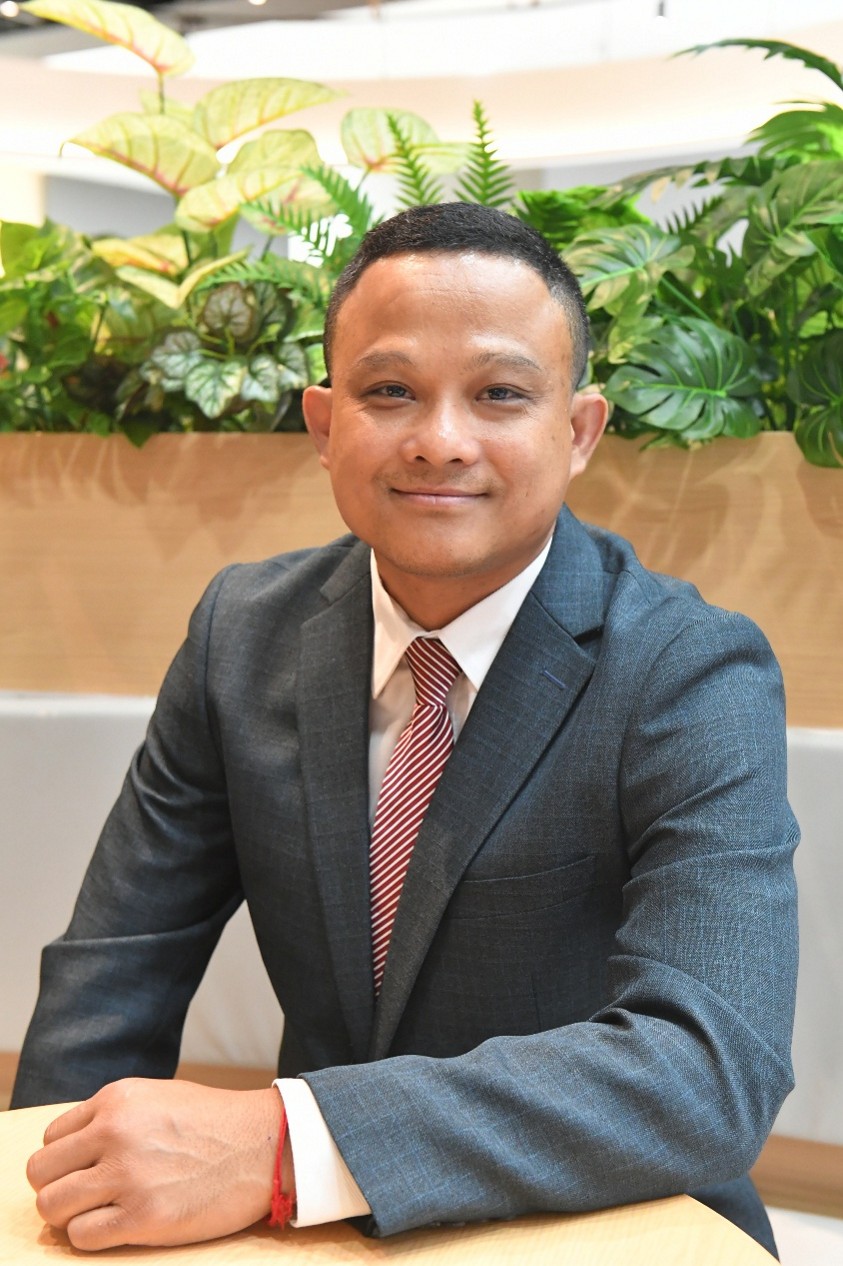
As a seasoned official at Cambodia's Ministry of Civil Service, Dr. Chham Chhavirak, PhD '25, believed he knew China's economic ascent well before he ever boarded a flight to Beijing in 2021.
"But I still underestimated it," Chham recalled, a lingering note of astonishment in his voice. "After I arrived, my eyes were wide open. China is incredibly advanced, saturated with technology, and moving at a pace I never imagined."
The jarring gap between expectation and reality became the catalyst for Chham's doctoral research at PKU's ISSCAD.
Back in Phnom Penh, Chham oversees public sector performance across cities, districts, communes, and sangkats (subdistricts).
"Now, I can see more clearly where our systems can be improved," he explains. "China's experience helps us identify the true levers of reform, so we can continue raising the quality of public service."
At ISSCAD, Chham anchored his research in the economics of national development. He noted that the bilateral relationship between China and Cambodia has left a lasting imprint on the land of Cambodia through infrastructure jointly built under the Belt and Road Initiative.
Now, a year after graduation, Chham has returned to trace the strategic foresight of China's Five-Year Plans—a model he believes Cambodia can refer to as it builds its own digital future. "In Cambodia, we are trying to integrate digital technology into our national development plan," he noted. "It's very interesting to come here and learn what China is planning for the next five years."
Friends all over the World
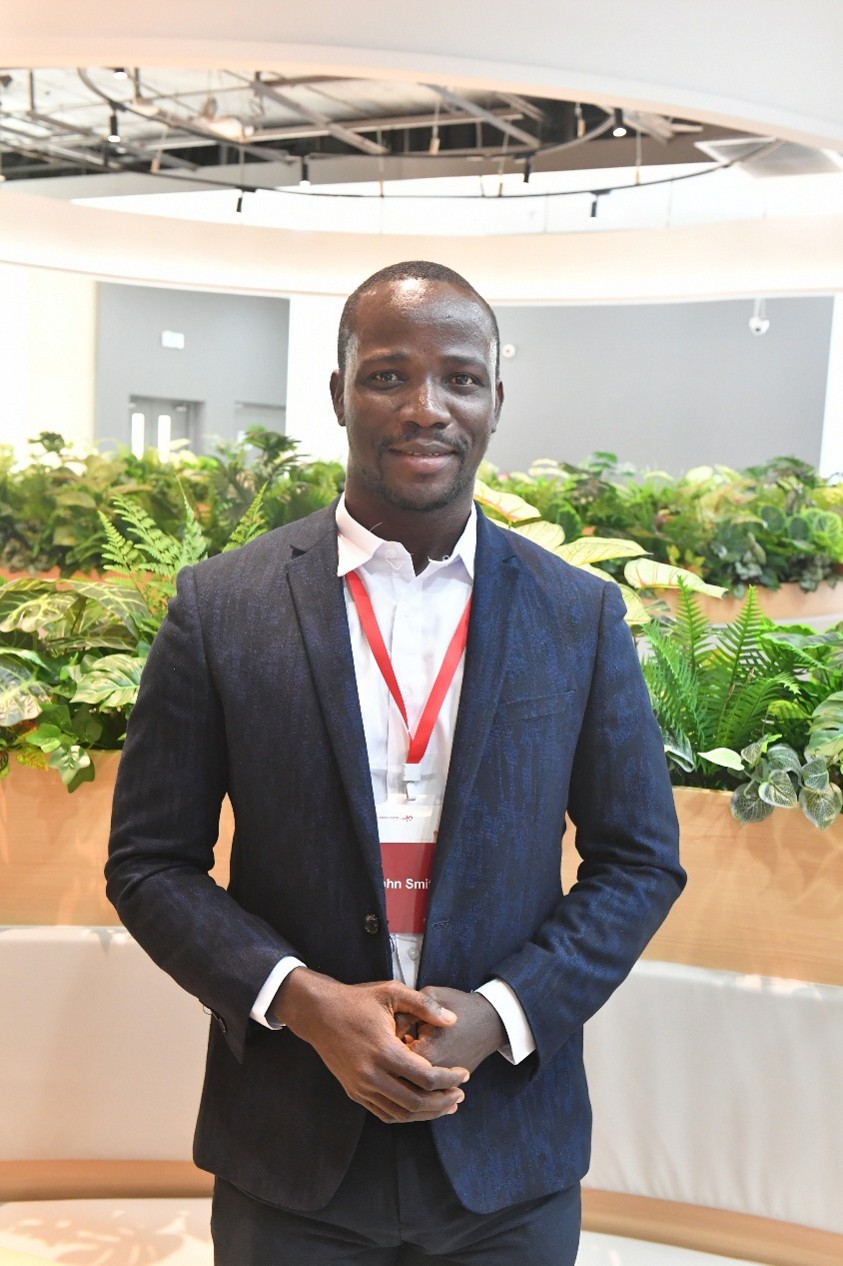
Dr. John Smith Jr., PhD '26, describes his vision as "people-centric development" in Liberia.
Smith defined people-centric development as "development that is practically useful to the people, improves happiness, generates income, grants livelihoods and boosts the economy." He hopes to apply what he has learned in China to help Liberia develop in a way that heeds the people's needs.
A Liberian national and a former Monrovian Youth Leader, Smith's doctorate in economics focused on small and medium enterprise incubation for the purpose of economic development, sampling case studies from Special Economic Zones in China. Before his PhD at PKU, he worked as a feminist economic policy specialist with UN Women, an assistant professor at the University of Liberia, and a consultant with the World Bank.
Reflecting on his study experience at PKU, he described his favorite takeaway as the friends he made, who made him feel at home. This feeling of belonging is something he said he, as well as the rest of ISSCAD, will carry far beyond the four gates of PKU—anywhere in the world he goes, Smith believes he can find alumni friends who will welcome him like family.
Interviewed by: Jawad Shabbir, Vanrika Satyan, Wu You, Danish Mahmood, Jasmine Tardja
Edited by: Chen Shizhuo