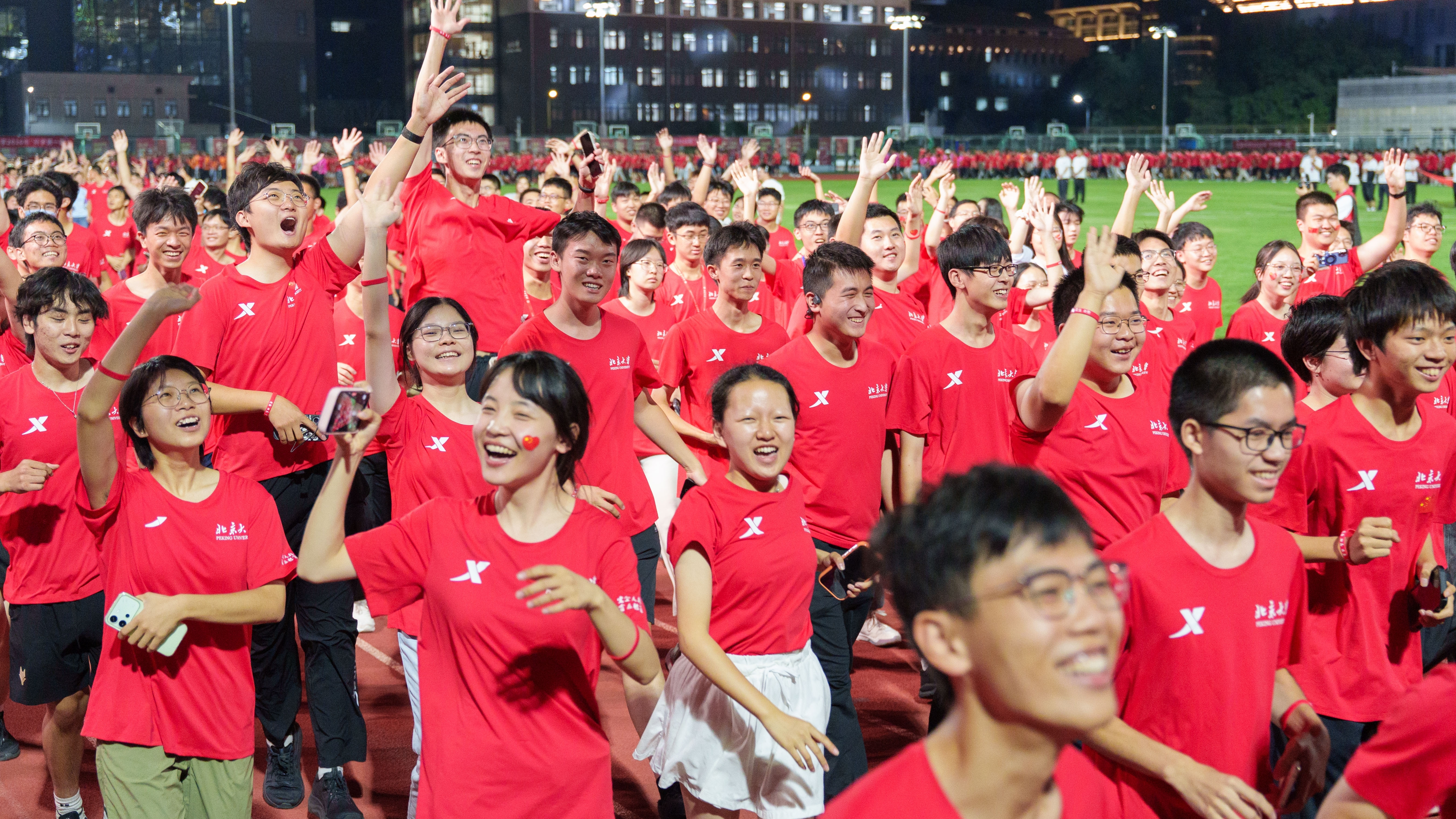
Peking University, September 1, 2026: On the afternoon of August 28, the film crew of
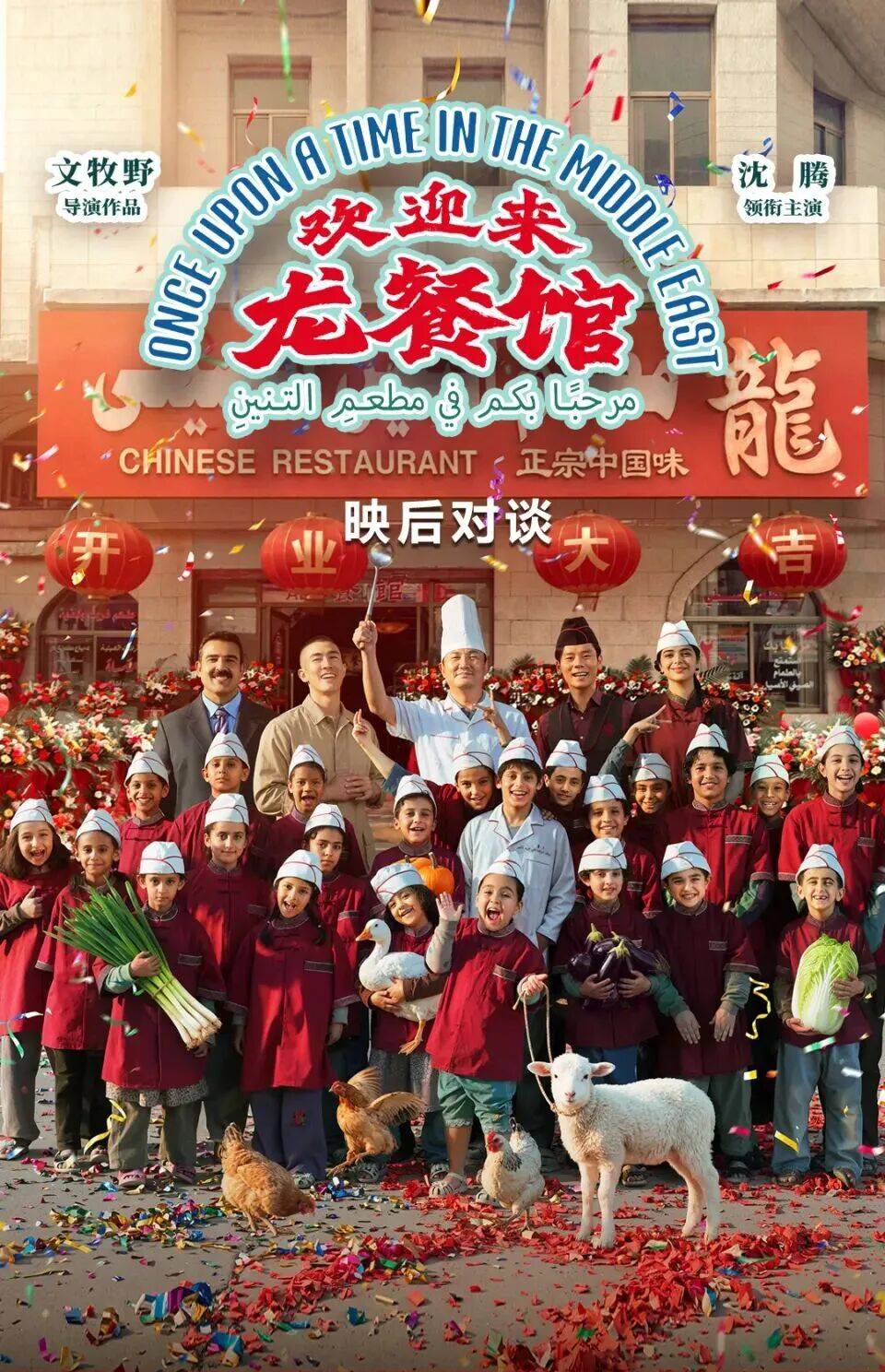
Once Upon a Time in the Middle East came to Peking University for an in-depth discussion on the inspirations and production behind the film, which was first screened at the PKU Hall to an audience comprising students and faculty.
Rooted in the Chinese wisdom of "living each day in peace," the film presents a distinctive anti-war premise through the perspective of a Chinese chef named Xu Fu, the protagonist of the film played by Shen Teng. In the film, when the bustling rhythm of daily restaurant life is shattered by war, ordinary individuals still radiate a quiet glow of humanity amid fear and struggle.
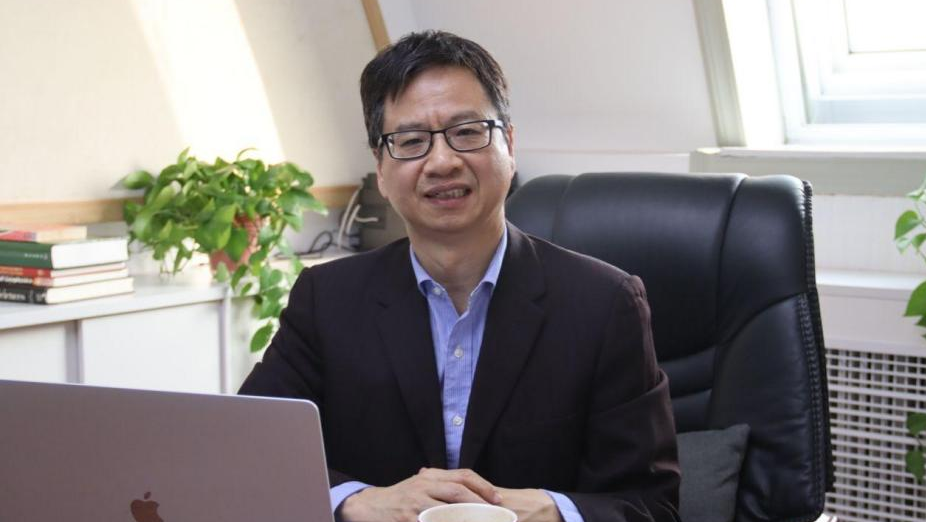
Wen Muye, director of the film, explained why he chose "food" and "war" as the film's two central threads. "Chinese food, or food in its most basic sense, represents one of humanity's most fundamental needs," he said. "Eating, therefore, is a state of normalcy, whereas war is anything but normal."
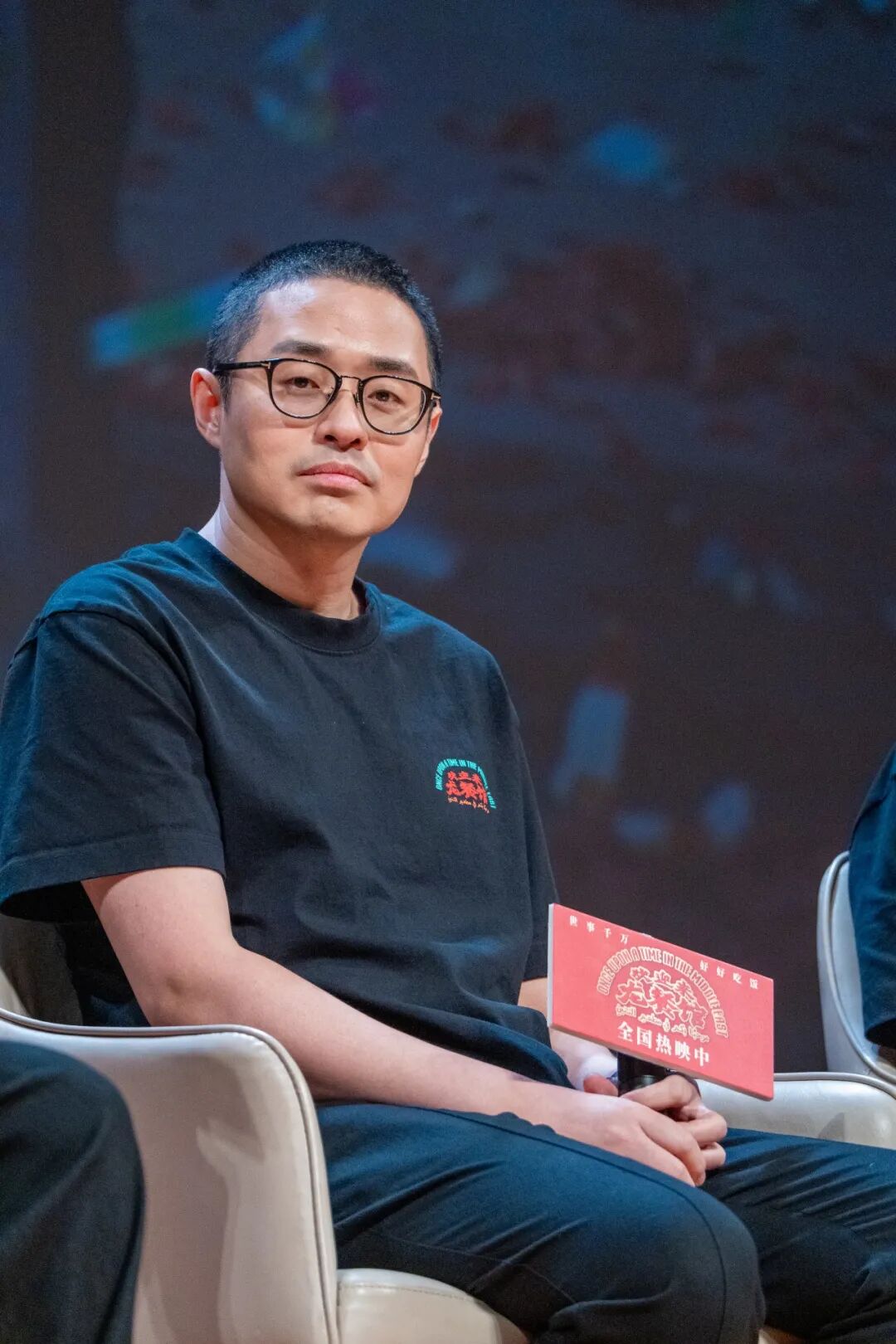
Wen Muye
Wen also noted the social significance embedded in Chinese food, as the dinnner table in China is usually seen as a cultural touchstone that brings people together, whether for family reunions or business matters.
However, in times of war, a simple wish to "have a good meal" turns into a rare and cherished luxury. Yet this sharp contrast speaks to the fundamental hope held by every person: so long as the stove still burns and a warm meal is possible, life will carry on with hope and redemption. Within this hope, the dread of war steadily recedes, and the light of humanity is passed from one person to another.
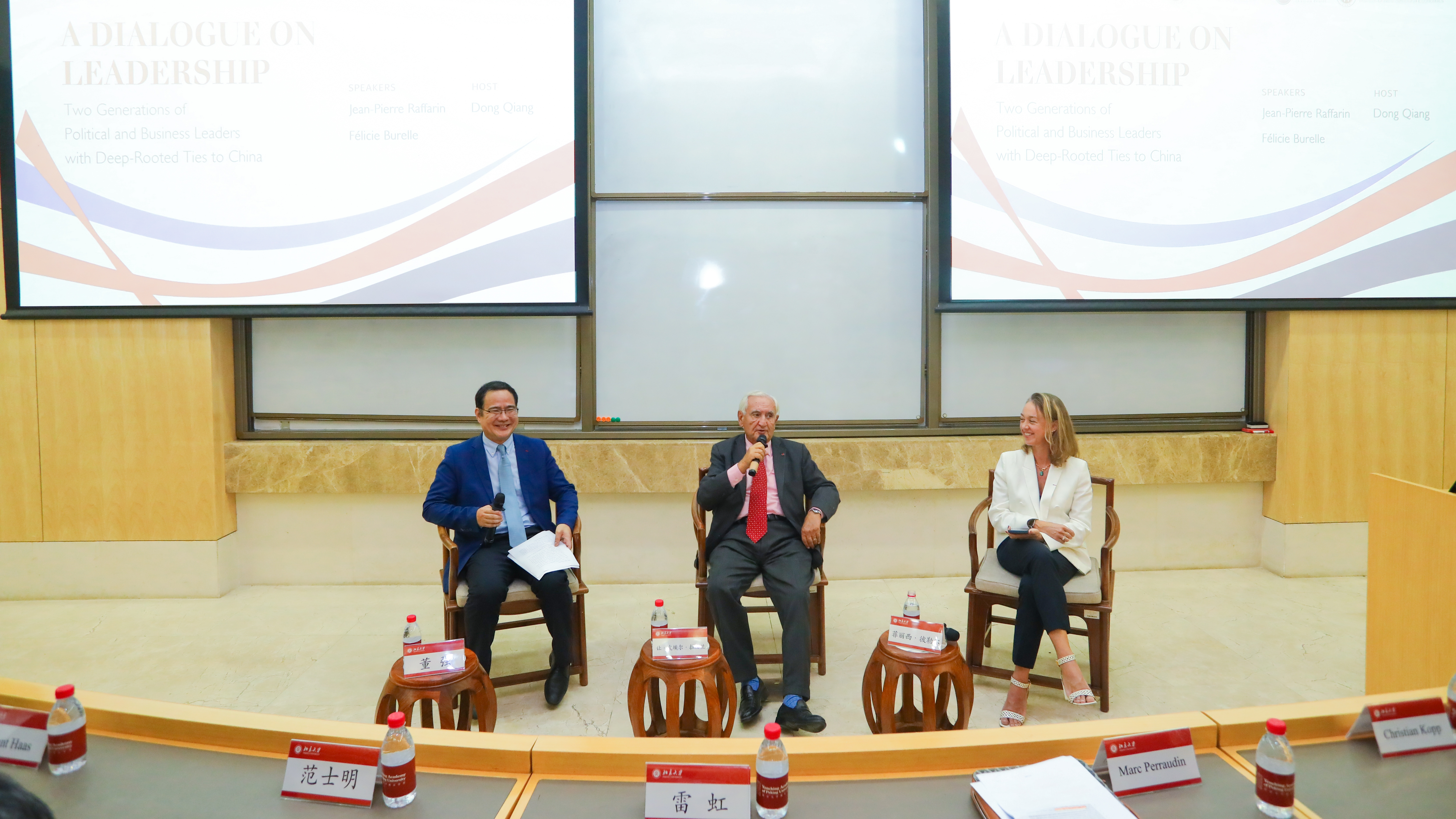
Ma Junsheng, the manager of the Loong Restaurant in the film, is one of those who carry this light forward. During the discussion, Jiang Qiming, the actor who played the character, shared his understanding of the role.
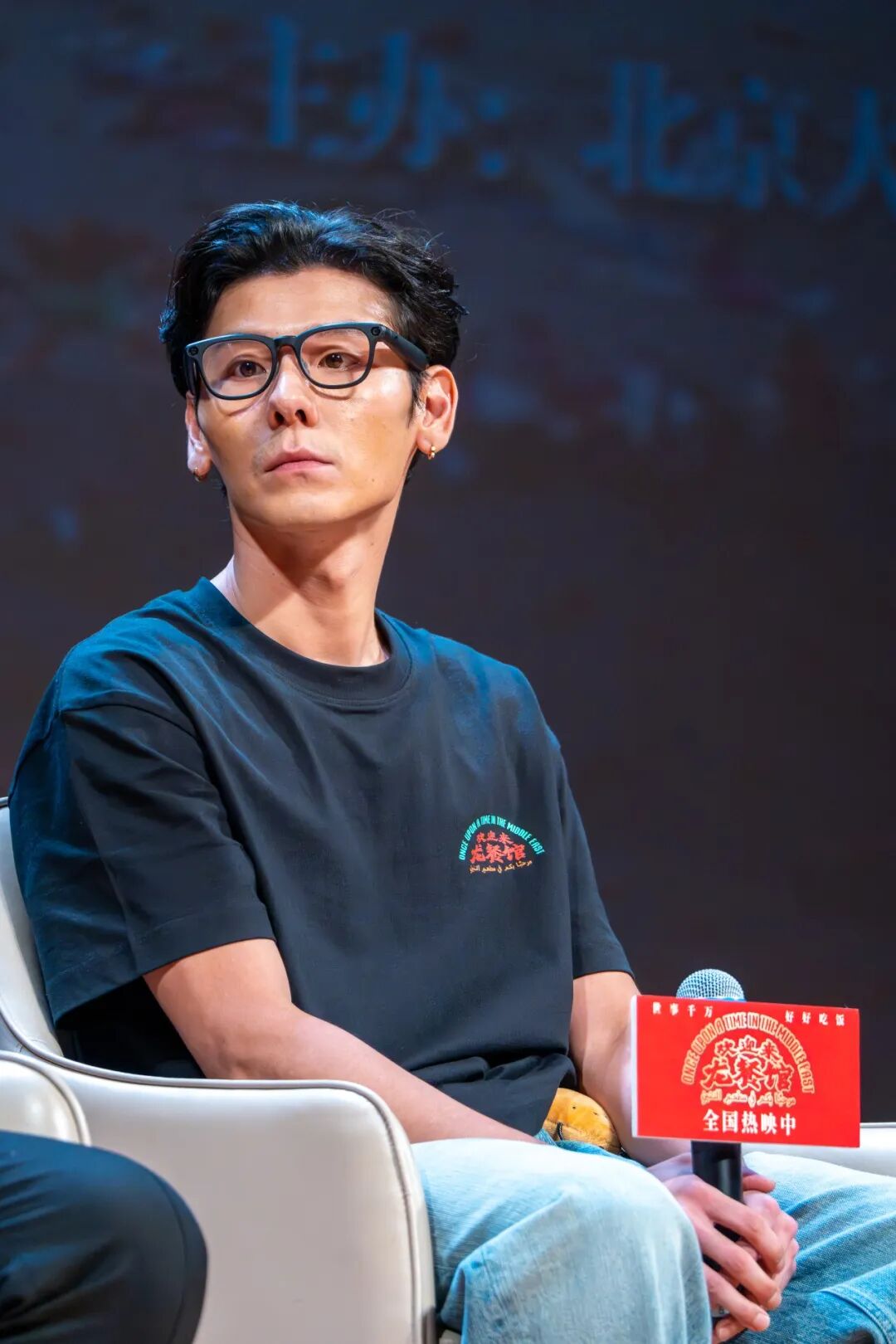
Jiang Qiming
When discussing the kindness portrayed by his character in the film, he said: "Ma Junsheng's kindness is certainly instinctive, since it is extremely difficult for anyone to put on a front in the midst of war. As an ordinary Chinese civilian living in a foreign land, that kindness is simply the very foundation of his character."
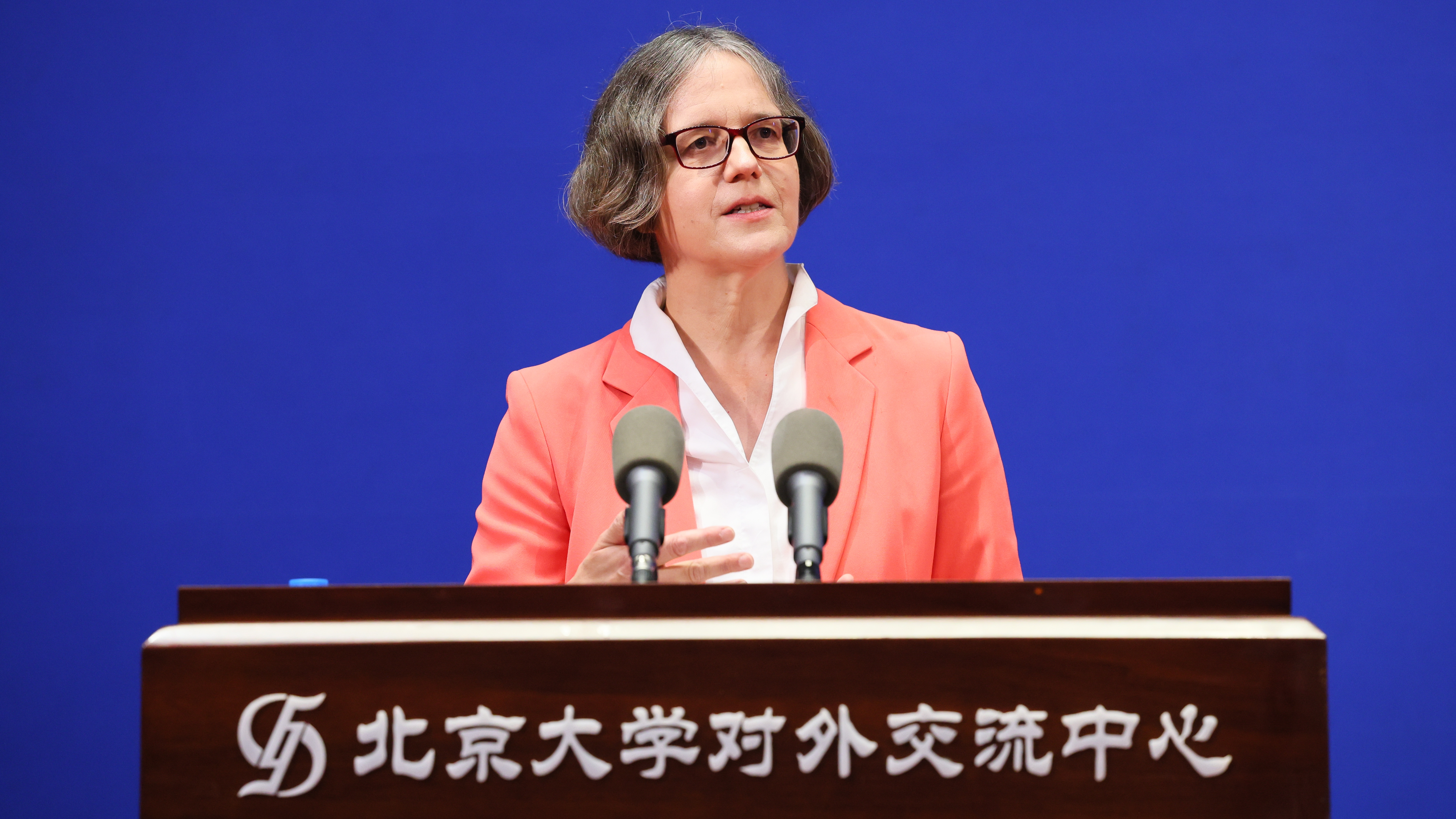
Regarding the film's production techniques, editing director Liu Jinghao noted that the use of long takes and montage deepens the meaning of the narrative.
In one montage sequence, for example, the image of the stove fire inside the Loong Restaurant kitchen contrasts with that of the fires of war outside. The shot then settles on Seif, an orphan apprentice at the restaurant, reflecting his growth in both cooking skill and his understanding of the world.
As an anti-war film,
Once Upon a Time in the Middle East features no superheroes and instead focuses on ordinary people whose lives have been upended by a war that leaves a permanent scar on all who are caught in the crossfire, regardless of who they are or where they come from.
Through an objective perspective, the film delivers a profound message about the indiscriminate suffering that war inflicts on all people. In this light, the blessing to "eat well" is a heartfelt wish extended from the Chinese people to the world.
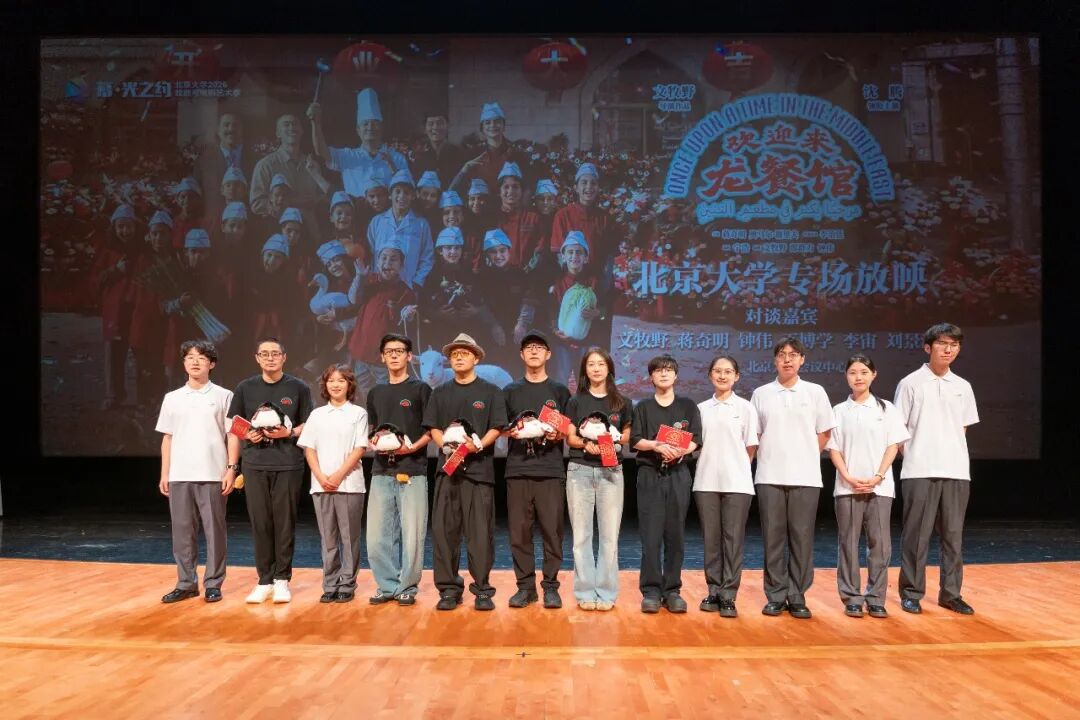
The film crew took a group photo with Peking University students.
Written by: Xu Ziyue
Edited by: Chen Shizhuo
Photo by: Guo Mengjiao, Wang Ziqian, Xiang Tingyan, Guo Yasong