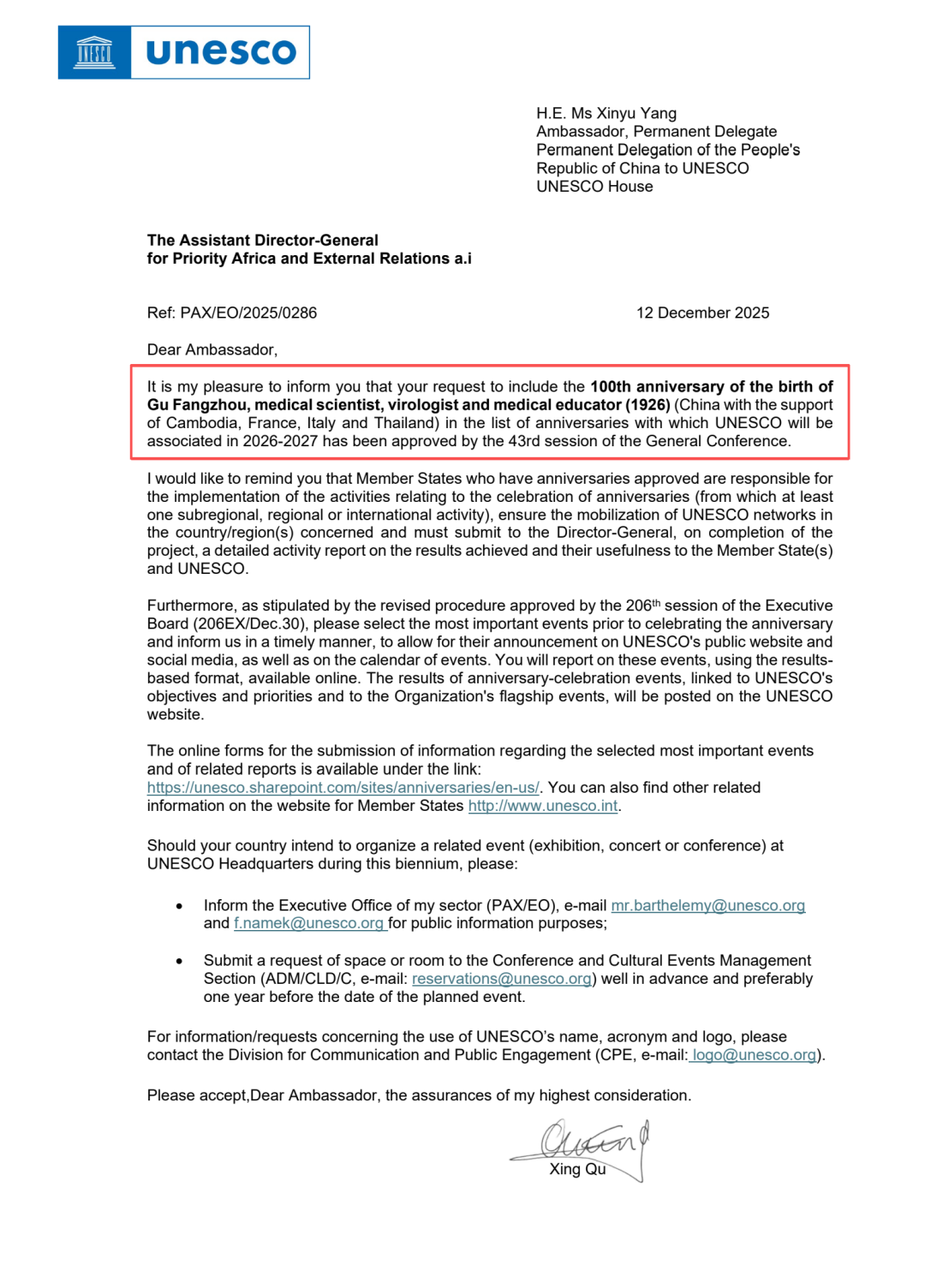
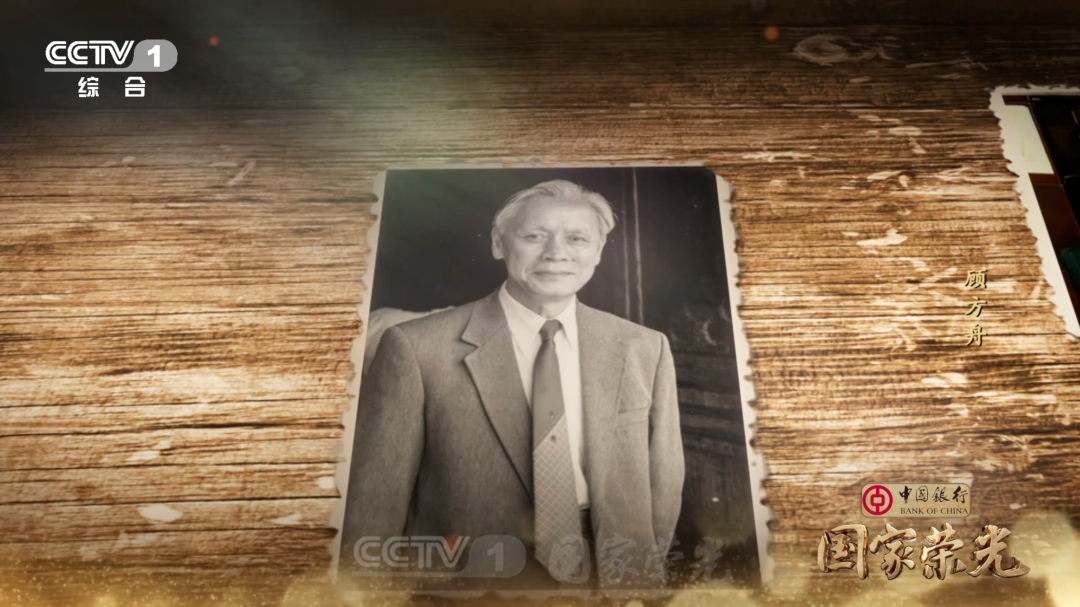
Peking University, January 5, 2026: In a move celebrating scientific dedication and global public health, the 43rd UNESCO General Conference has officially adopted a resolution to commemorate the 100th anniversary of the birth of Chinese scientist Gu Fangzhou. Behind this international recognition lies the profound story of a Peking University alumnus who devoted his life to creating a “sugar pill” that shielded generations of Chinese children from the scourge of polio.
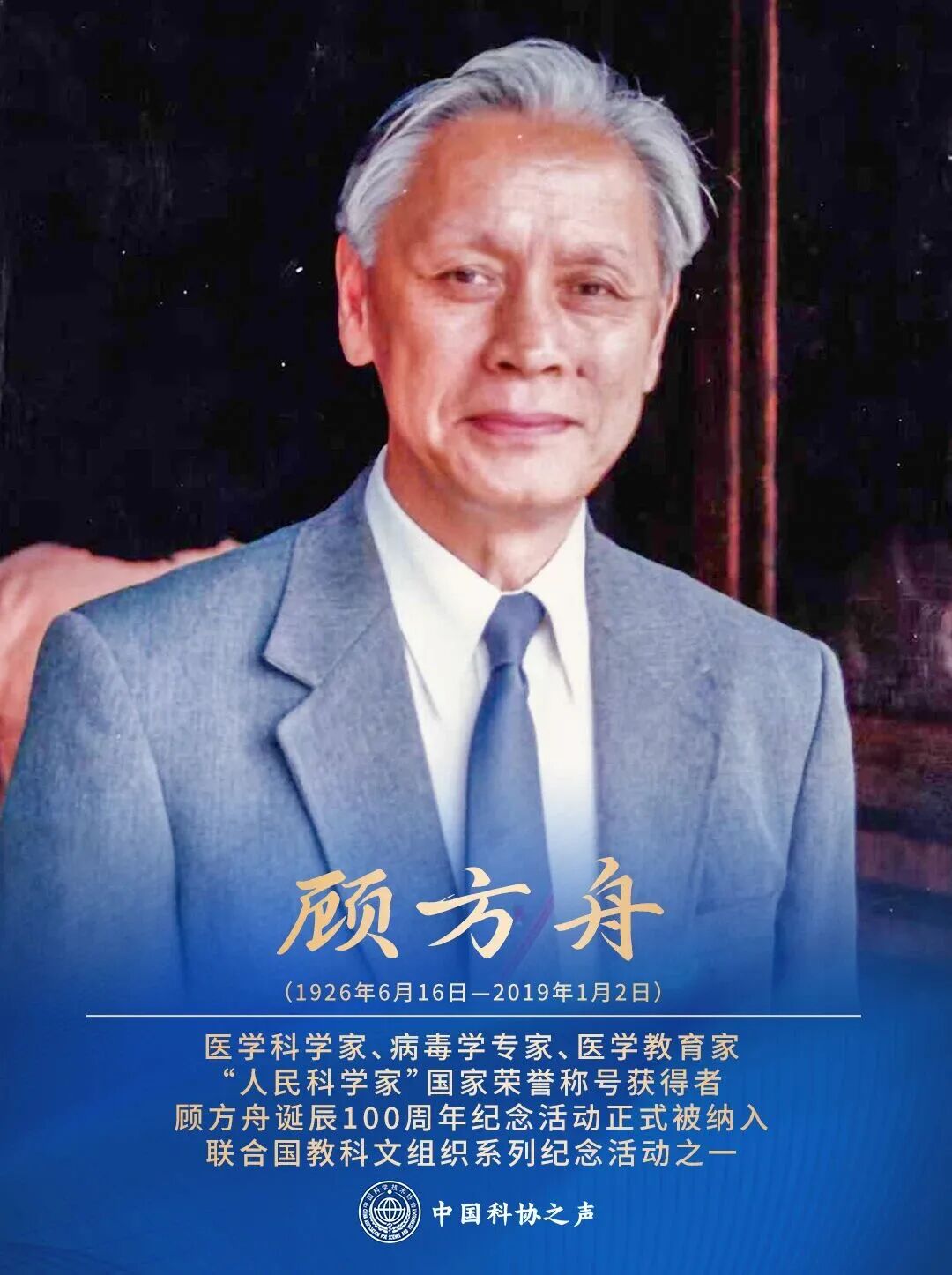
Gu Fangzhou, born in 1926, enrolled in the Peking University Medical School in 1944. As a student, he actively participated in patriotic movements and secretly joined the Communist Party of China on the eve of Peiping's liberation. Witnessing the dire public health conditions facing ordinary Chinese people, he made a resolute decision to dedicate his career to public health.
His life's mission crystallized in the face of a terrifying disease: poliomyelitis, or polio for short. In 1955, a severe outbreak in Nantong, Jiangsu province, spread rapidly across China, leaving countless children paralyzed or dead.
In 1957, Gu Fangzhou answered the call, embarking on polio research. “This was a mission entrusted to me by the government,” he later said, and conquering polio became his life's work.
A 1959 fact-finding trip to Moscow by Gu Fangzhou and three other experts to study inactivated polio vaccine (IPV) technology revealed a stark economic reality. The cost of the four-dose IPV regimen was approximately 100 RMB, while the average monthly urban salary was just over 40 RMB, making it prohibitively expensive for nationwide, free distribution in China, especially in rural areas.
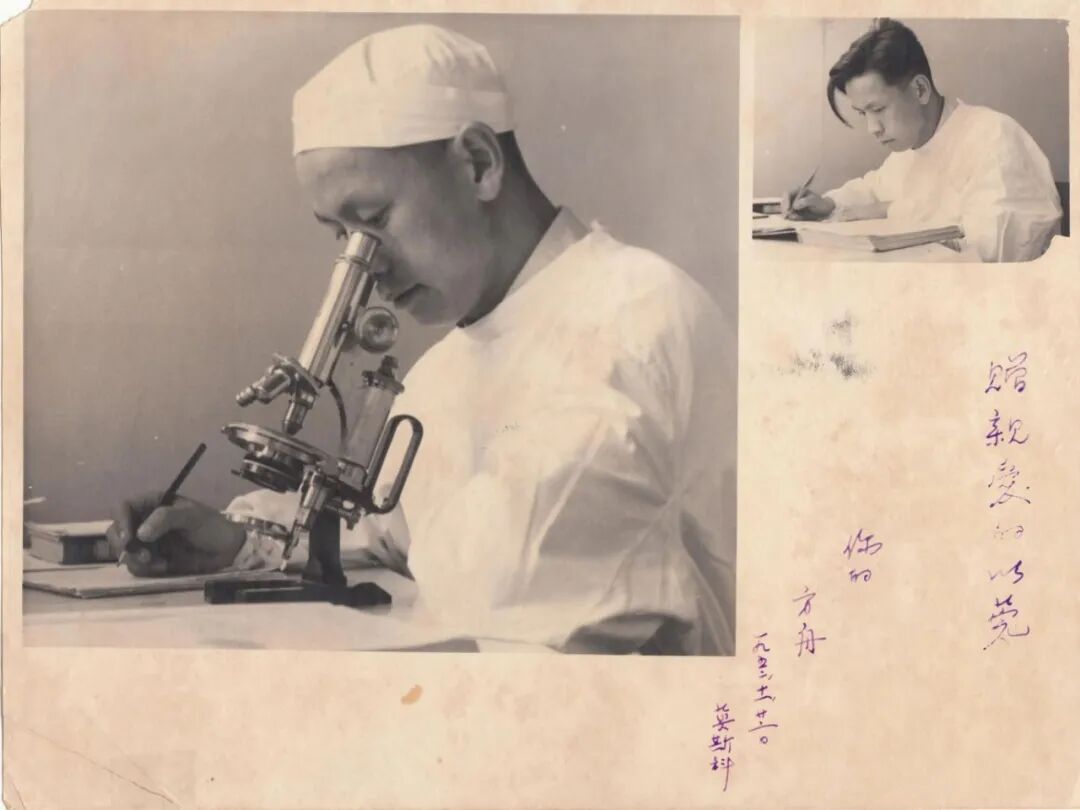
As hope seemed dim, Gu Fangzhou learned from a colleague about the development abroad of a cheaper alternative: the oral polio vaccine (OPV), a live-attenuated vaccine. After China's Ministry of Health decided to support its development, Gu and his team threw themselves into the task.
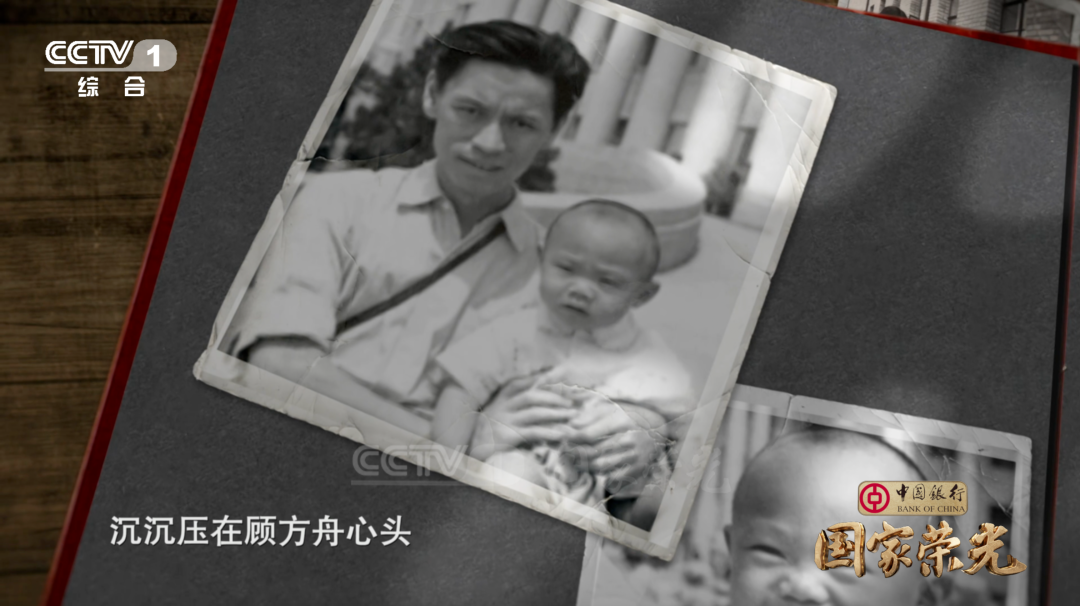
Following successful initial trials, the critical phase of testing safety in children arrived. In an act of extraordinary personal sacrifice and conviction, Gu Fangzhou first tested the vaccine on himself. Then, to confirm its safety for its primary target, he gave the vaccine to his own infant son. Soon after, colleagues in his lab also volunteered their children for the trial.
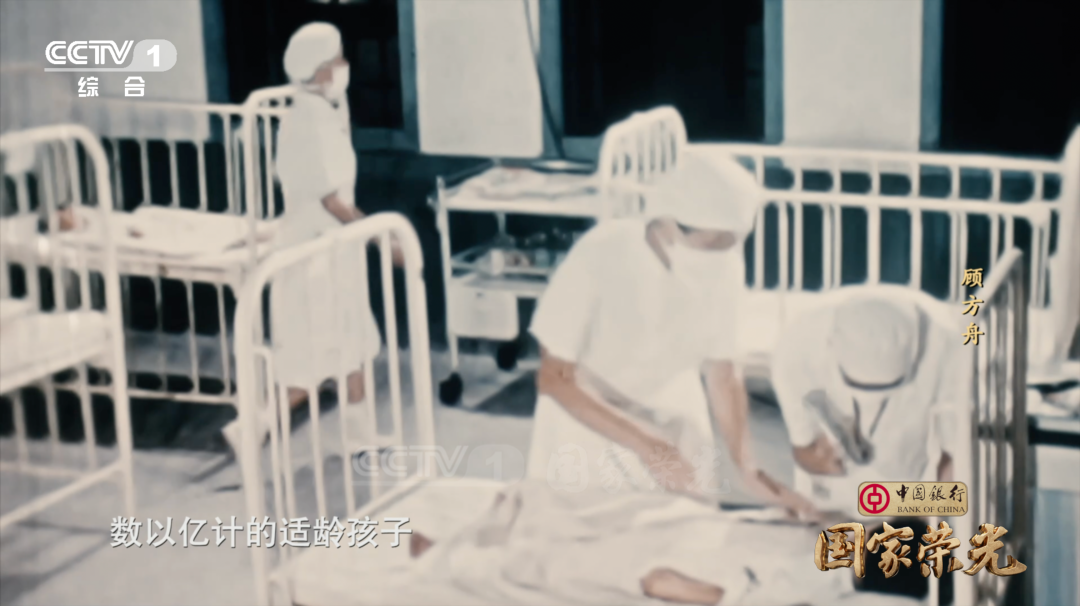
By December 1960, the first batch of 5 million doses was delivered to 11 cities, dramatically curbing outbreaks. Chinese children were finally gaining protection.
However, mass eradication required overcoming another hurdle: distribution. The liquid vaccine required strict refrigeration, a nearly impossible standard in 1960s China with its scarce cold-chain infrastructure. Gu Fangzhou's team brilliantly devised a solution by developing a heat-stable, sugar-coated pill version. This “sugar pill” was easy to transport, had a longer shelf life, and was eagerly accepted by children.
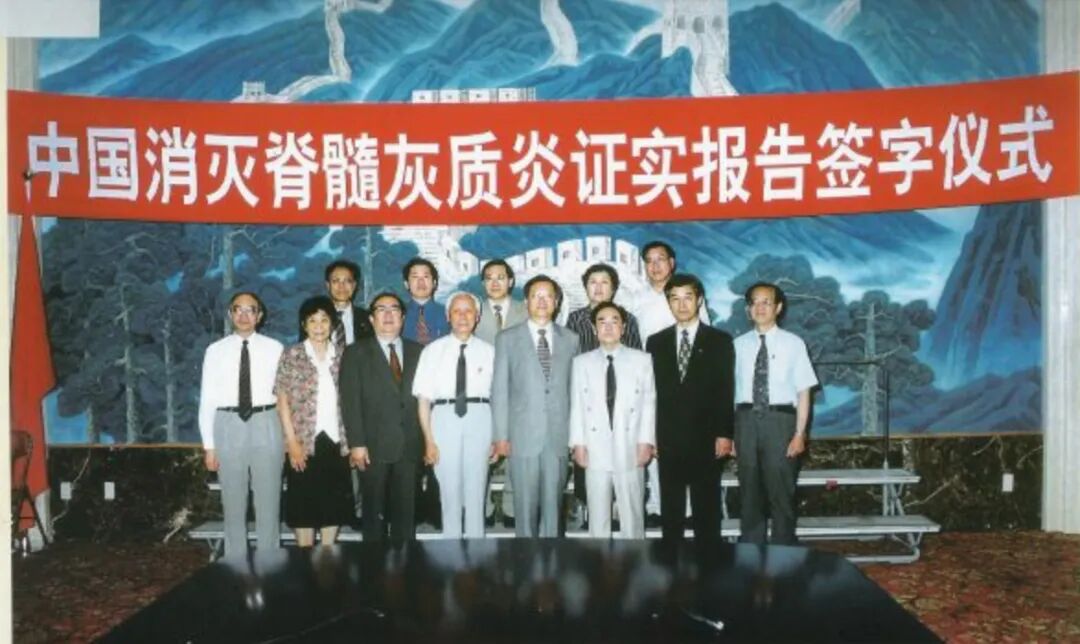
Following its nationwide rollout in 1964, the annual incidence rate of polio in China plummeted from 4.06 per 100,000 in 1949 to 0.046 per 100,000 by 1993. In a historic milestone for global health, the World Health Organization certified China as polio-free in 2000.
Despite this monumental achievement, Gu Fangzhou remained humble. “I only did one thing in my life,” he often said, “and that was to make a small sugar pill.”
Gu Fangzhou passed away on January 2, 2019, at the age of 92. Even in his final days, his thoughts were with the nation's health. Clutching the hands of younger researchers visiting him, his last words were: “I have done one thing in my life, and it was worth it. It was worth it. Children, grow up fast and serve our country.”
Today, the sweet “sugar pill” remains a cherished memory for generations. “Grandpa Sugar Pill,”( 糖丸爷爷) Gu Fangzhou, stands as a beacon, illuminating the path for future scientists. UNESCO's resolution to honour him transcends national boundaries, ensuring that his scientific spirit and profound devotion to humanity become an enduring part of our shared global heritage.
Written by: Jasmine Tardja
Edited by: Chen Shizhuo
Source: Beidaren WeChat (
Chinese)