Peking University, October 16, 2026: On October 14, Peking University (PKU)'s Yingjie Overseas Exchange Center welcomed more than 300 participants on a China-U.S. youth exchange program, including officials, representatives, and students from both countries. Themed "Embark on a New Journey: Together We Meet, Together We Embrace the Future", the event marked the launch of China's initiative to invite over 100,000 young Americans in the next 5 years.
The event began with a scenic tour of the PKU campus, where students snapped group photos at iconic landmarks while learning about PKU's history and culture. At the opening ceremony, Chinese and U.S. students came together in a joint choral rendition of
It's Great to Know You and a performance of Tai Chi, a traditional Chinese martial art. "We both started Tai Chi about six months ago," said Liam, a 17-year-old high schooler, and Christian, an 11-year-old seventh grader, both from Washington, D.C., who were among the performers. They credited their teachers' guidance, encouragement, and belief in them as important sources of inspiration.
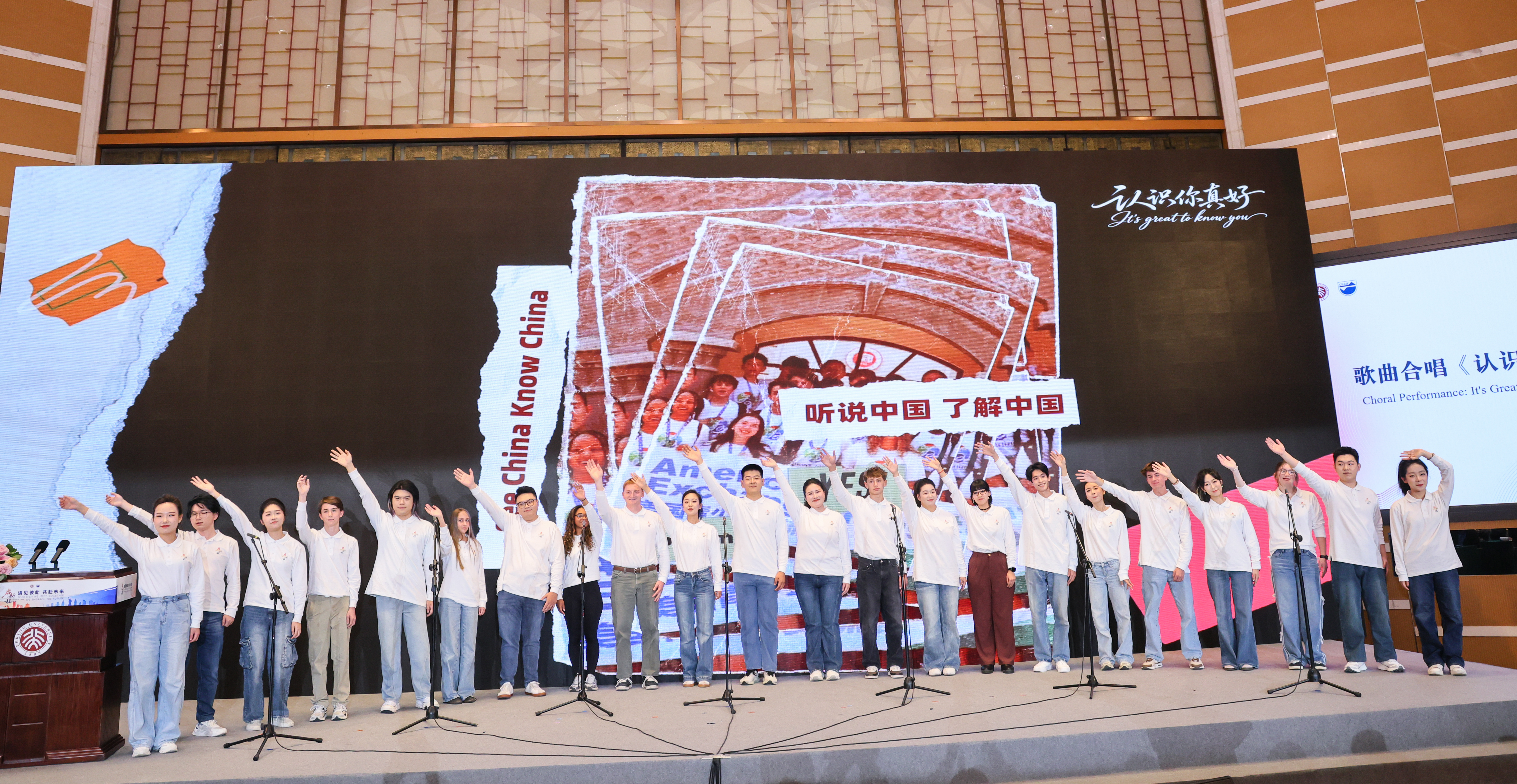
Chinese and U.S. students came together in a joint choral rendition of 'It's Great to Know You'
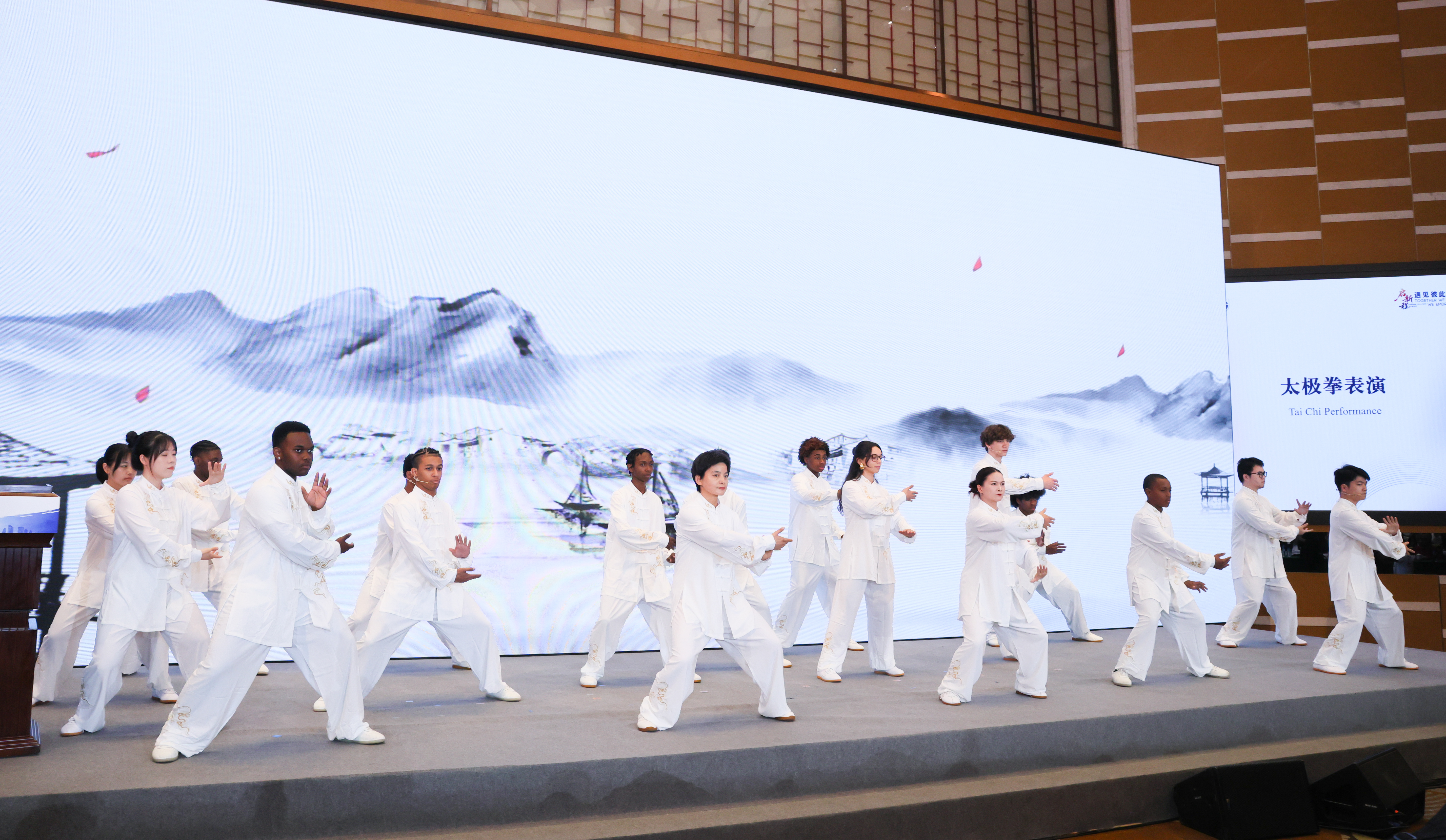
Tai Chi performance
In his welcome address, Tian Xuejun, president of the China Education Association for International Exchange (CEAIE), underscored the association's 45-year commitment to international educational cooperation, noting that more than 35,000 young Americans had visited China through the Young Envoys Scholarship (YES) program. Looking ahead, Tian welcomed the new opportunities presented by China's initiative to invite over 100,000 young Americans in the next five years, and called for greater collaboration between universities, local governments, businesses and other sectors. "One tree can't make a forest," he said, as he encouraged young people to build bridges of friendship and cooperation to contribute to the healthy and stable development of China-U.S. relations.
He Guangcai, chair of the Peking University Council, subsequently reflected on the long-standing friendship between Peking University and the United States, tracing it back to John Dewey's visiting professorship in 1919 and Edgar Snow's many visits in the mid-20th century. Mr. He also mentioned the 249 American students currently enrolled at PKU, who, he said, were planting the seeds for China-U.S. friendship for a new era together with their Chinese counterparts.
Addressing the youth, Mr. He delivered three pieces of advice: be brave in meeting new people; be sincere in making friends; and be determined in solving future issues. Quoting the words of the Chinese sociologist Fei Xiaotong, Mr. He emphasized that "all civilizations can appreciate each other's beauty while valuing their own and achieve common development."
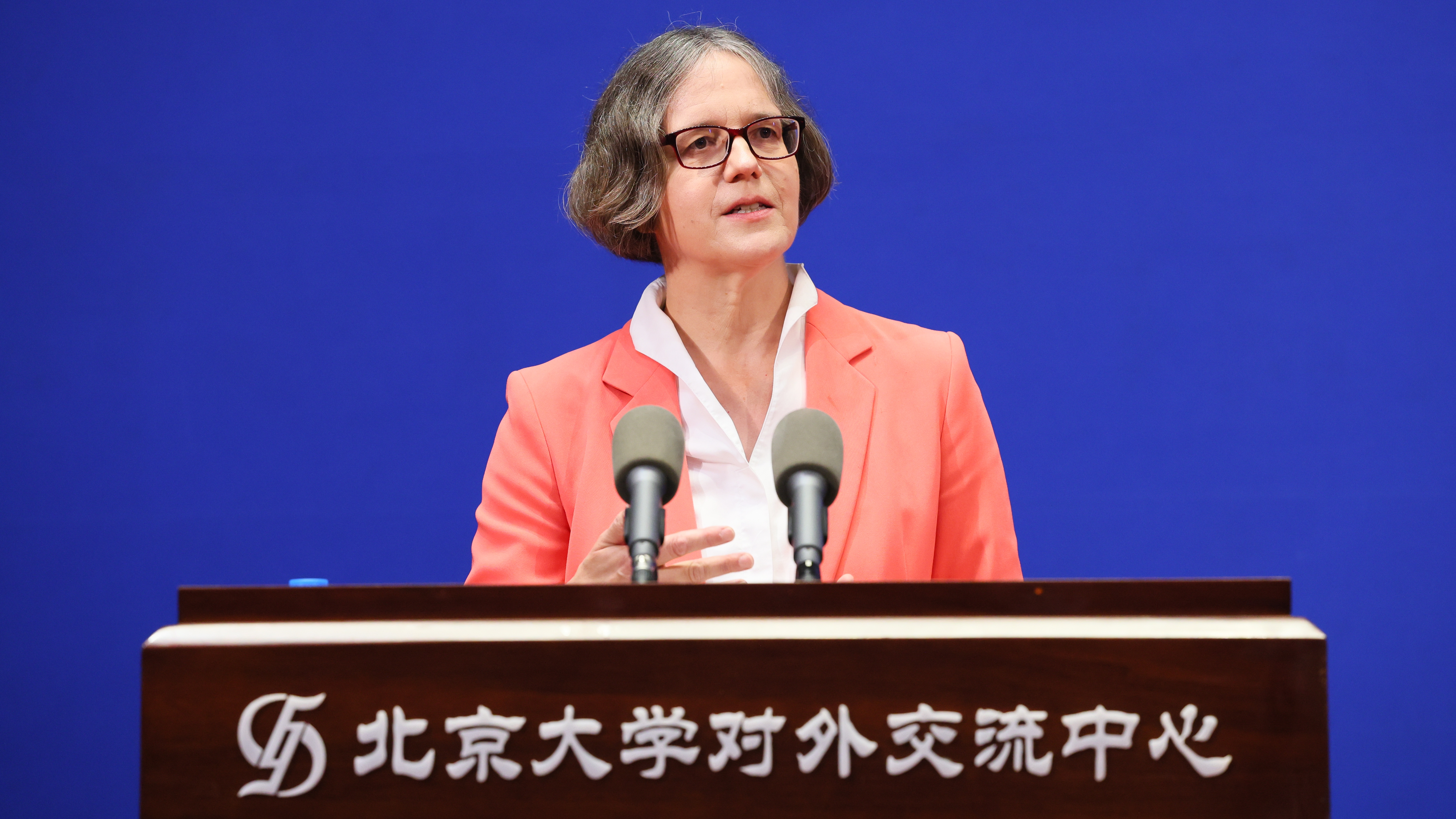
Building on the calls for closer ties, Zhang Lipei, president of the U.S.-China Business Council, emphasized the importance of fostering mutual understanding and trust in sustaining long-term cooperation. She said that the Council, established in 1973, has facilitated bilateral engagement through business delegations, policy dialogue, and initiatives supporting educational and professional exchanges. Reflecting on recent initiatives to expand youth exchanges, she encouraged young participants to learn from one another through first-hand experiences, open dialogue, and mutual respect.
The event also invited select American teenagers to share their experiences in China, most of whom were first-timers in the country. They described their transformation from initial apprehension about the Chinese way of life, especially the QR-code payment system and the fast-paced urban life, to confidently adapting to their surroundings. Through friendships with Chinese people and positive experiences with the Chinese cuisine, they came to understand that cross-cultural understanding was fostered through plain everyday interactions.
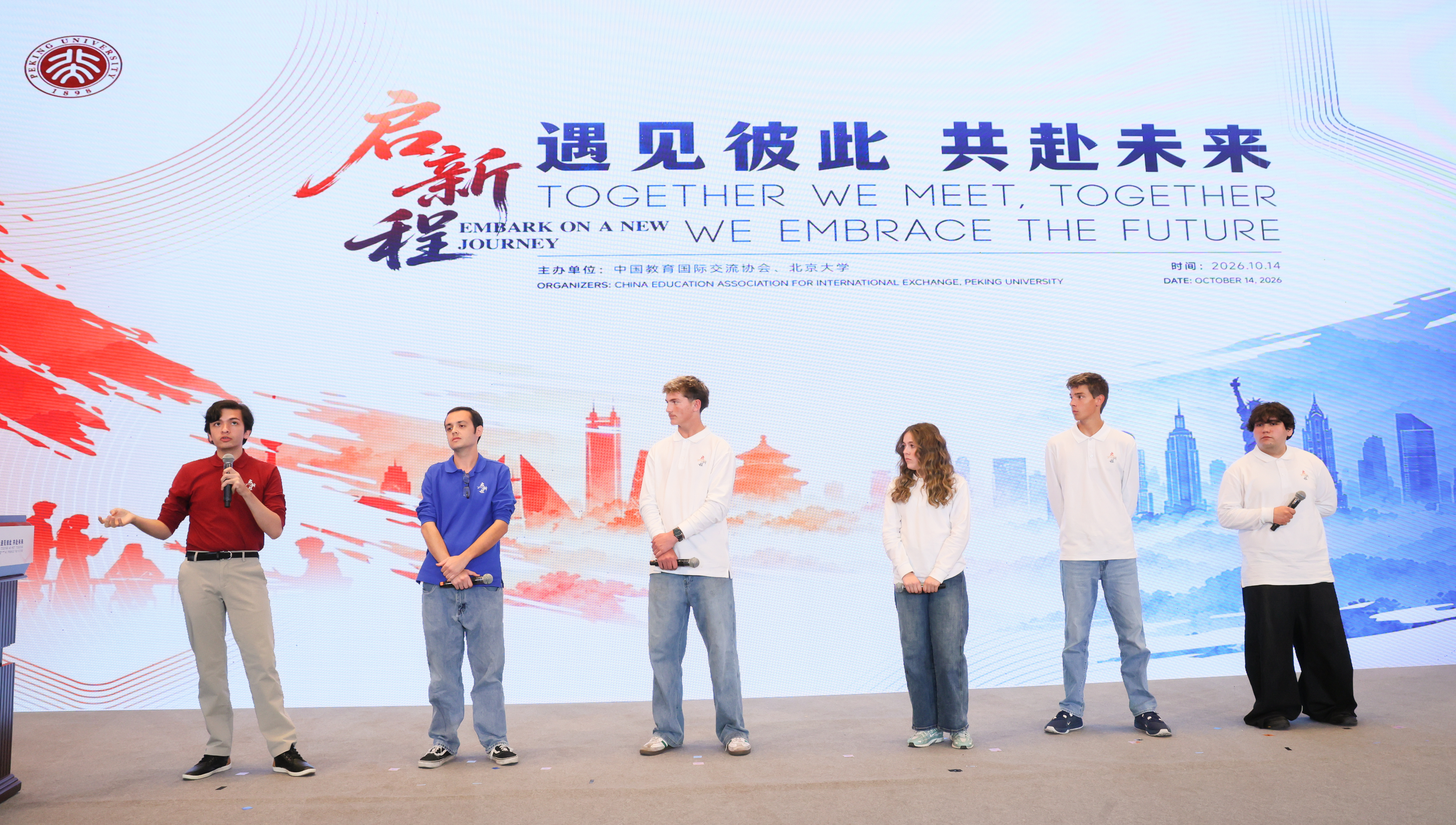
The event also invited select American teenagers to share their experiences in China
Joseph Clark, an undergraduate studying biomolecular science at New York University, shared with PKU News his experiences studying in Shanghai and how his understanding of China had evolved. He highlighted the friendliness and hospitality of the Chinese people and his admiration for China's ability to preserve its rich history while embracing technological innovation. "I wish the trip was longer," said Clark, who hoped to visit the Forbidden City and other historic sites, as well as explore more of China, particularly Chengdu and Chongqing.
Similarly, Brooklyn Steiner, an 11th grader from Riverton High School in Utah, expressed a desire to visit the Great Wall and explore the wide variety of Chinese cuisine. Having studied Chinese for 11 years, Steiner described her previous visits to Shanghai, Wenzhou, and Hangzhou as unforgettable experiences, highlighting the scenic beauty of Hangzhou's mountains and West Lake. She also noted the differences between Chinese and American architecture and history, as well as the friendliness of the local people.
The event concluded with a launch ceremony to mark a new chapter in U.S.-China youth exchange and the presentation of completion certificates. The students then proceeded to the Khoo Teck Puat Sports Complex for the inaugural China-U.S. Elite University Student Pickleball Friendly Tournament. A delegation of 31 students and teachers from 11 American universities engaged with their Chinese counterparts in friendly pickleball matches, building rapport through the sport. The small plastic ball whizzing through the court once again served as a vehicle for facilitating friendships across the globe, carrying forward the spirit of Ping-Pong diplomacy from 55 years ago.
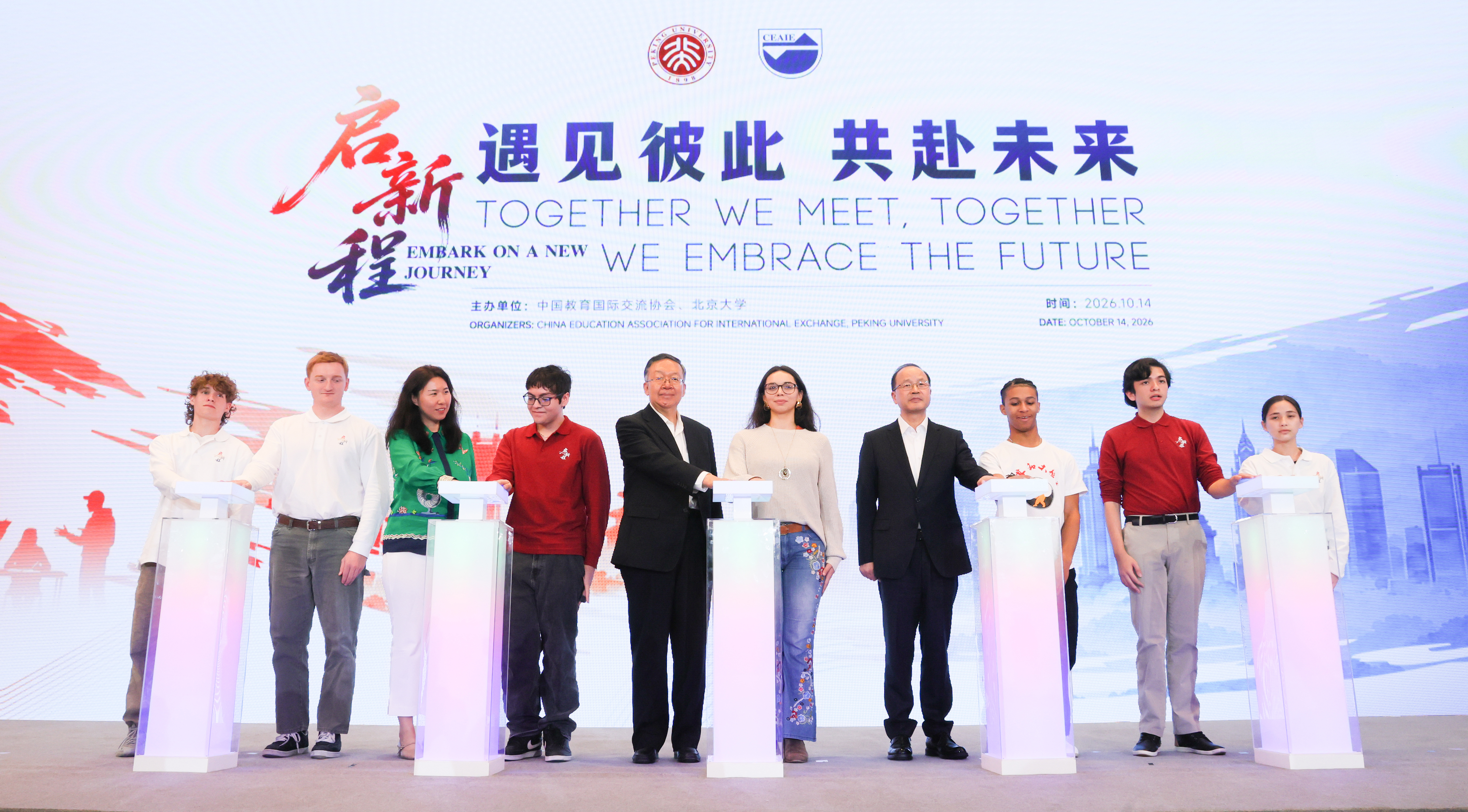
Launch ceremony
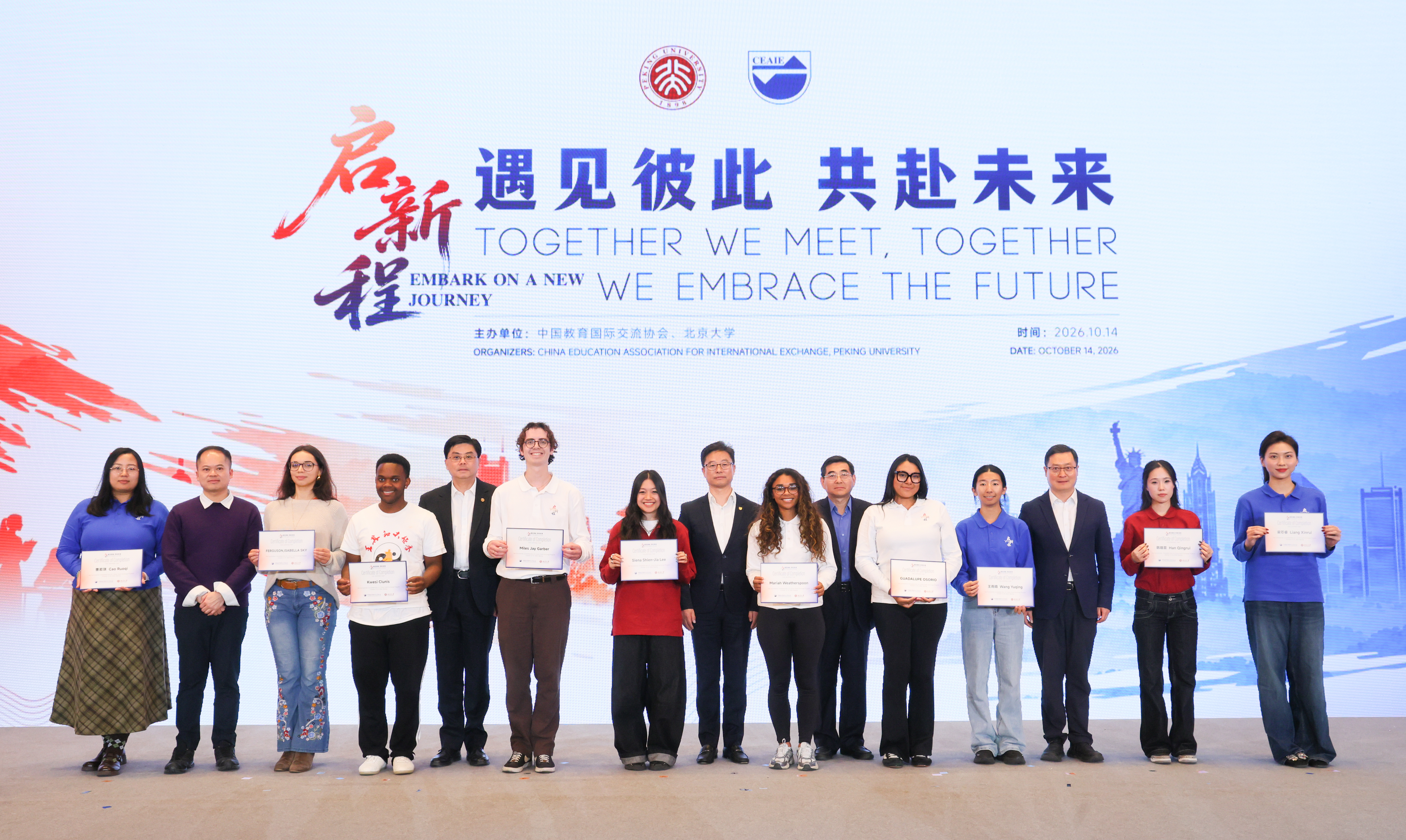
Presentation of completion certificates
Through campus visits, personal exchanges and sporting activities, the program offered the youths opportunities to experience one another's cultures first-hand and build connections beyond the classroom, marking a starting point for continued dialogue and lasting cooperation.
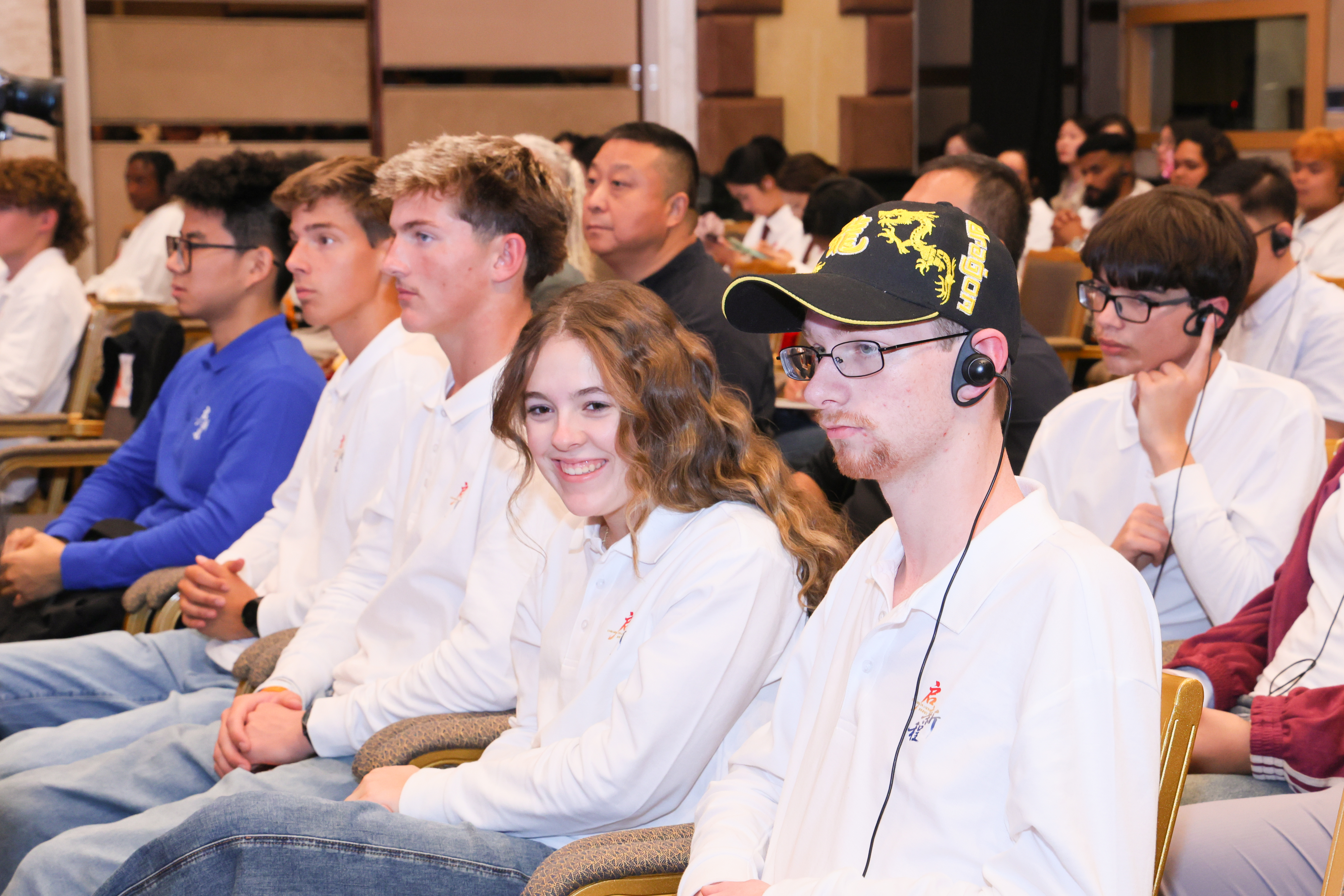
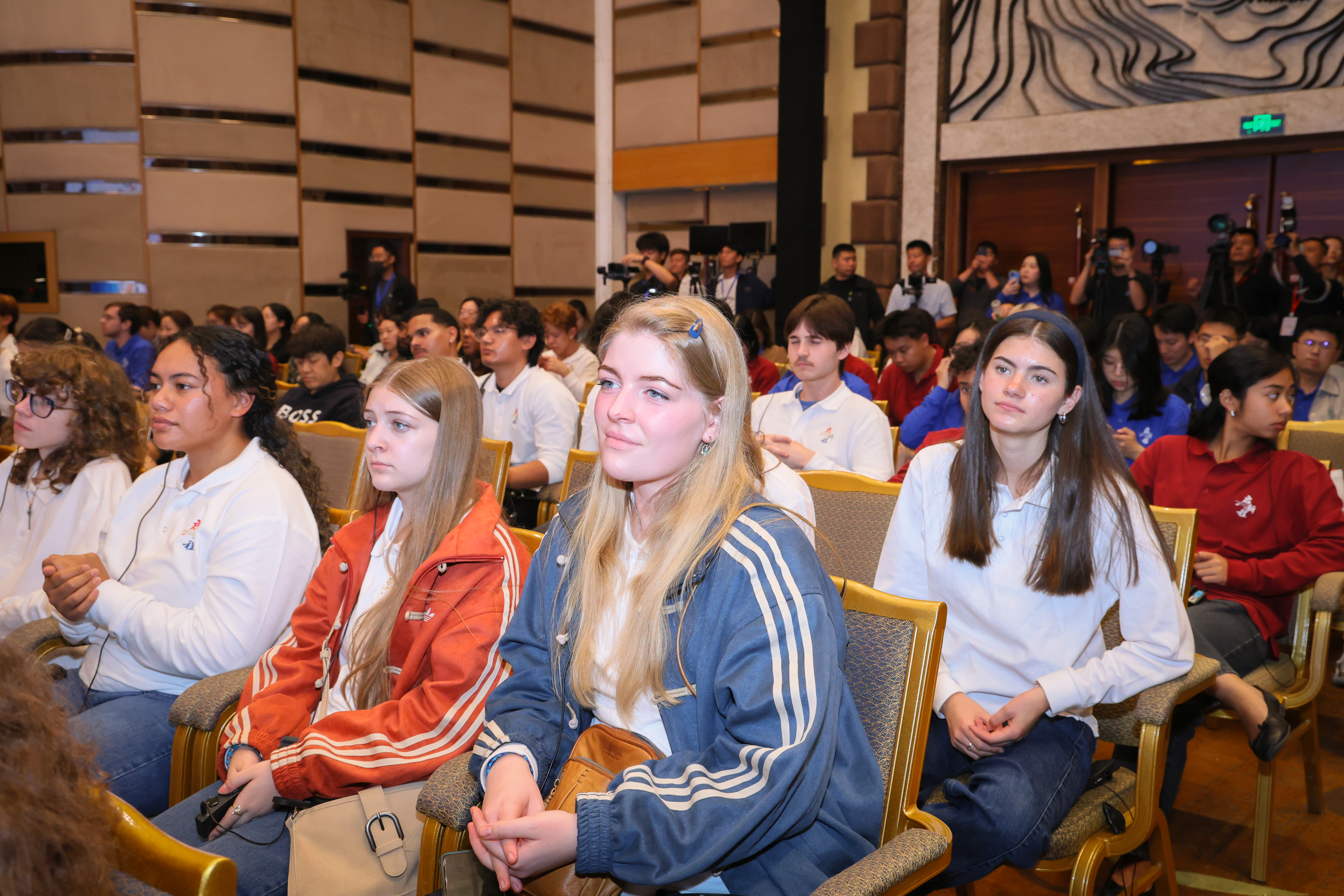
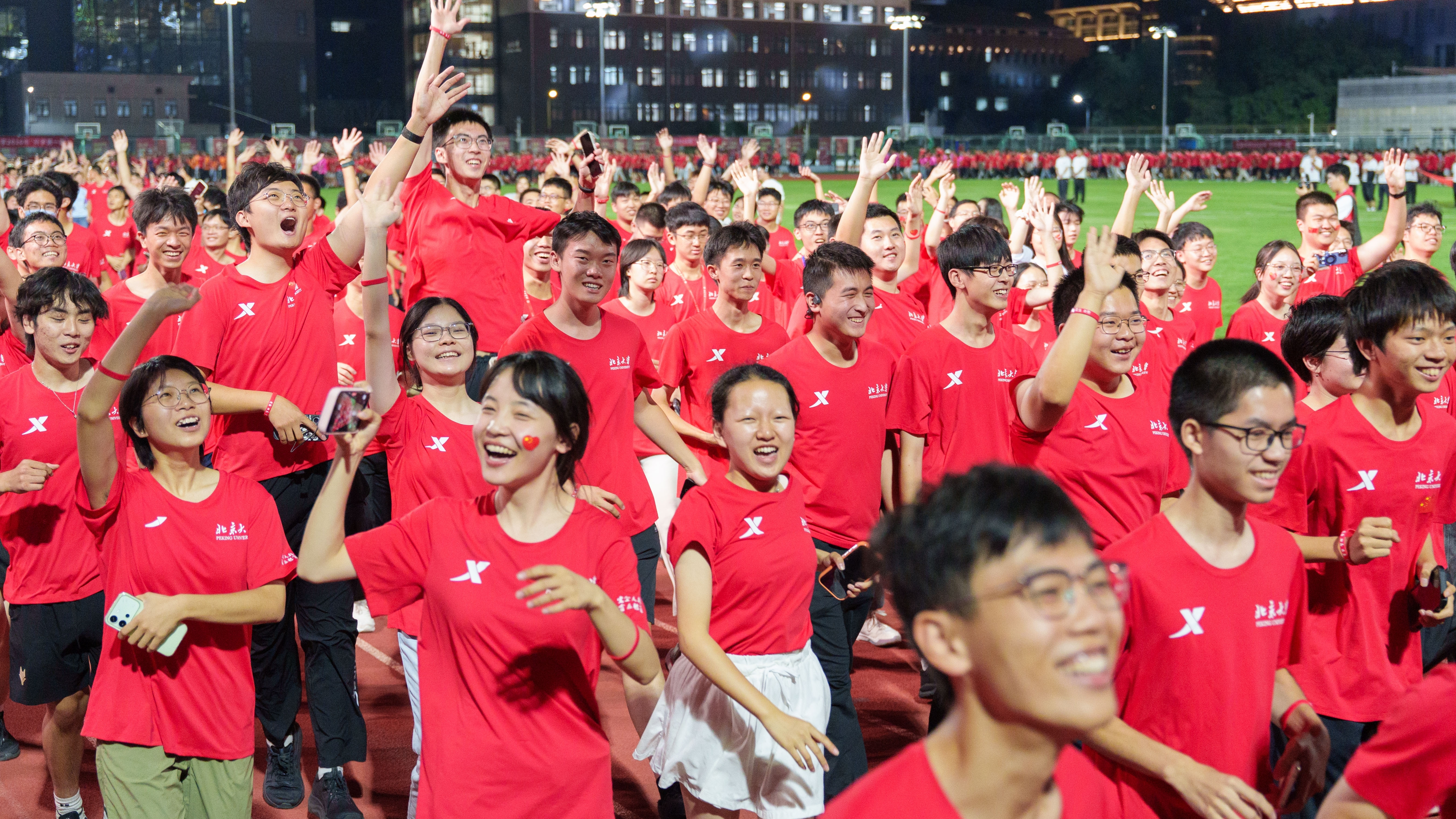
Students at the event
Written by: Wu You, Lee Jie Xin
Edited by: Chen Shizhuo
Photo by: Li Xianghua, Liu Yan