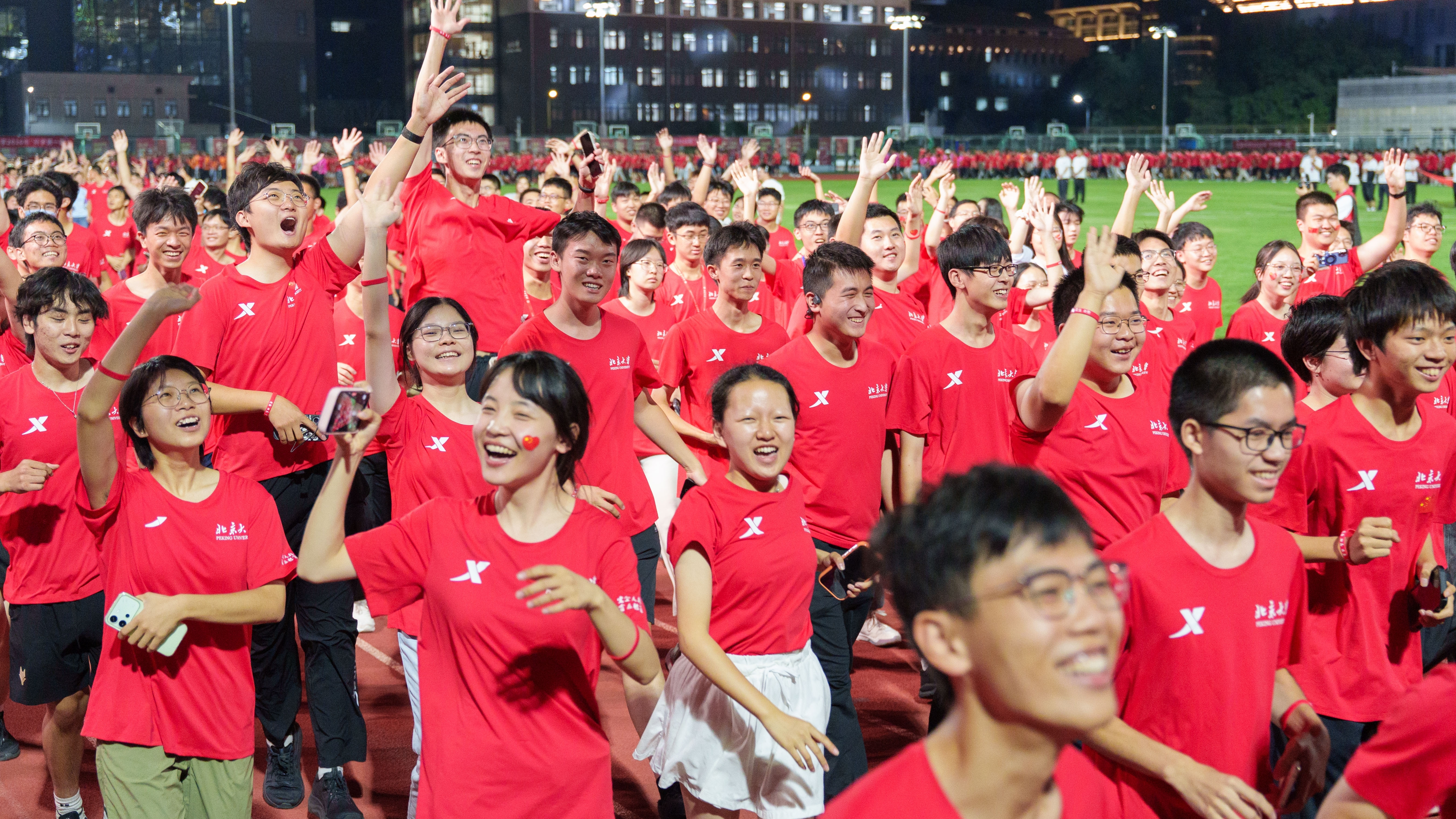
Peking University, August 28, 2026: On August 24, the winners of the 8th Xplorer Prize were officially announced, honoring 50 young scientists, of whom eight were Peking University scholars. Since its inaugural presentation in 2019, the Xplorer Prize has supported 397 outstanding young scientists across fields in basic science and frontier technology, including 53 Peking University scholars.
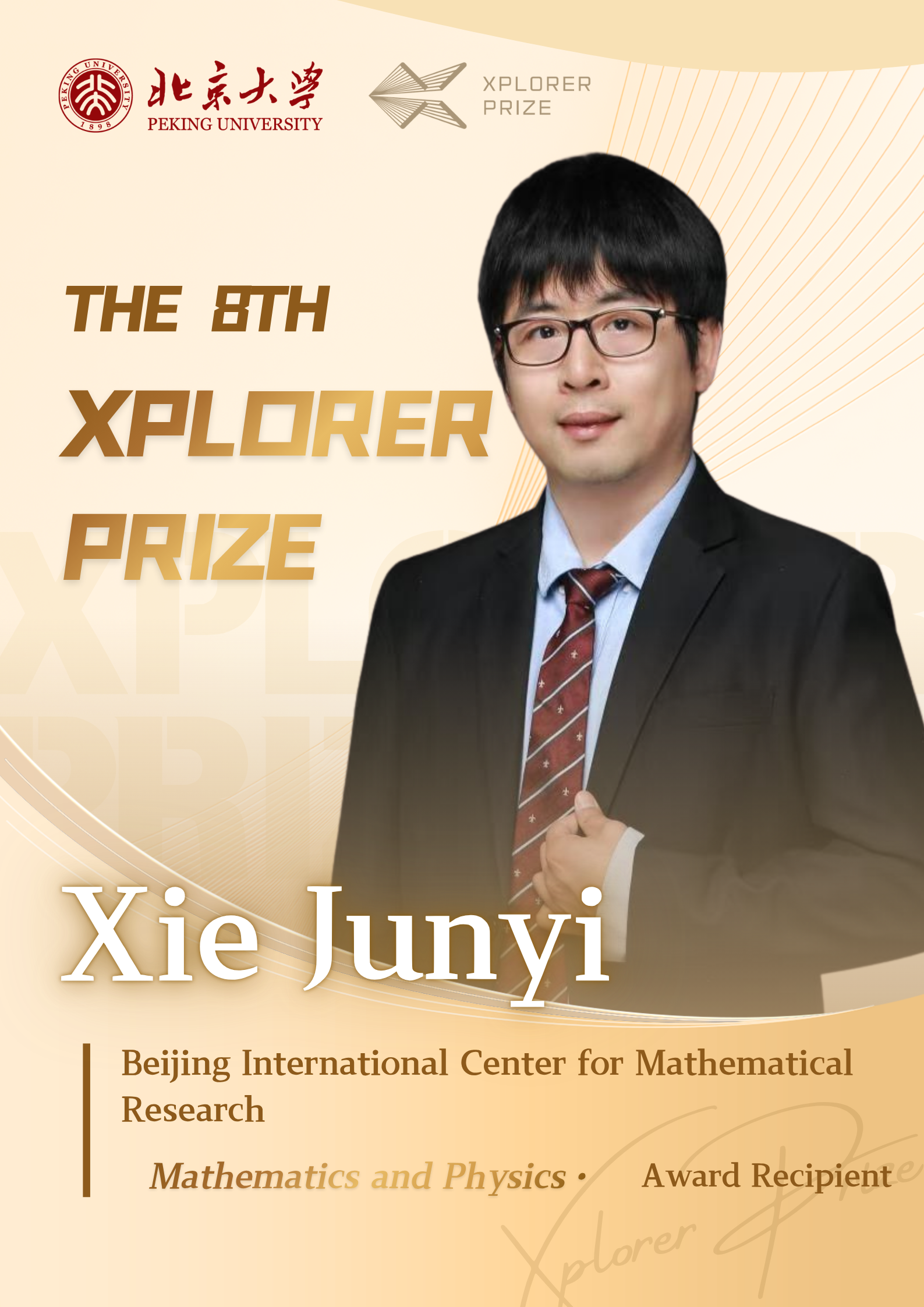 Xie Junyi
 (Mathematics and Physics), Beijing International Center for Mathematical Research: Xie works on arithmetic dynamics and Diophantine geometry. He proved the Zariski dense orbit conjecture for surface self-maps and, with collaborators, the André–Oort conjecture for one-parameter dynamical families and the Bogomolov conjecture, which also led to breakthroughs on the Bombieri–Lang conjecture. His work has appeared in top journals including the J
ournal of the American Mathematical Society, and he was invited to give a 45-minute lecture at International Congress of Mathematicians (ICM) 2026.
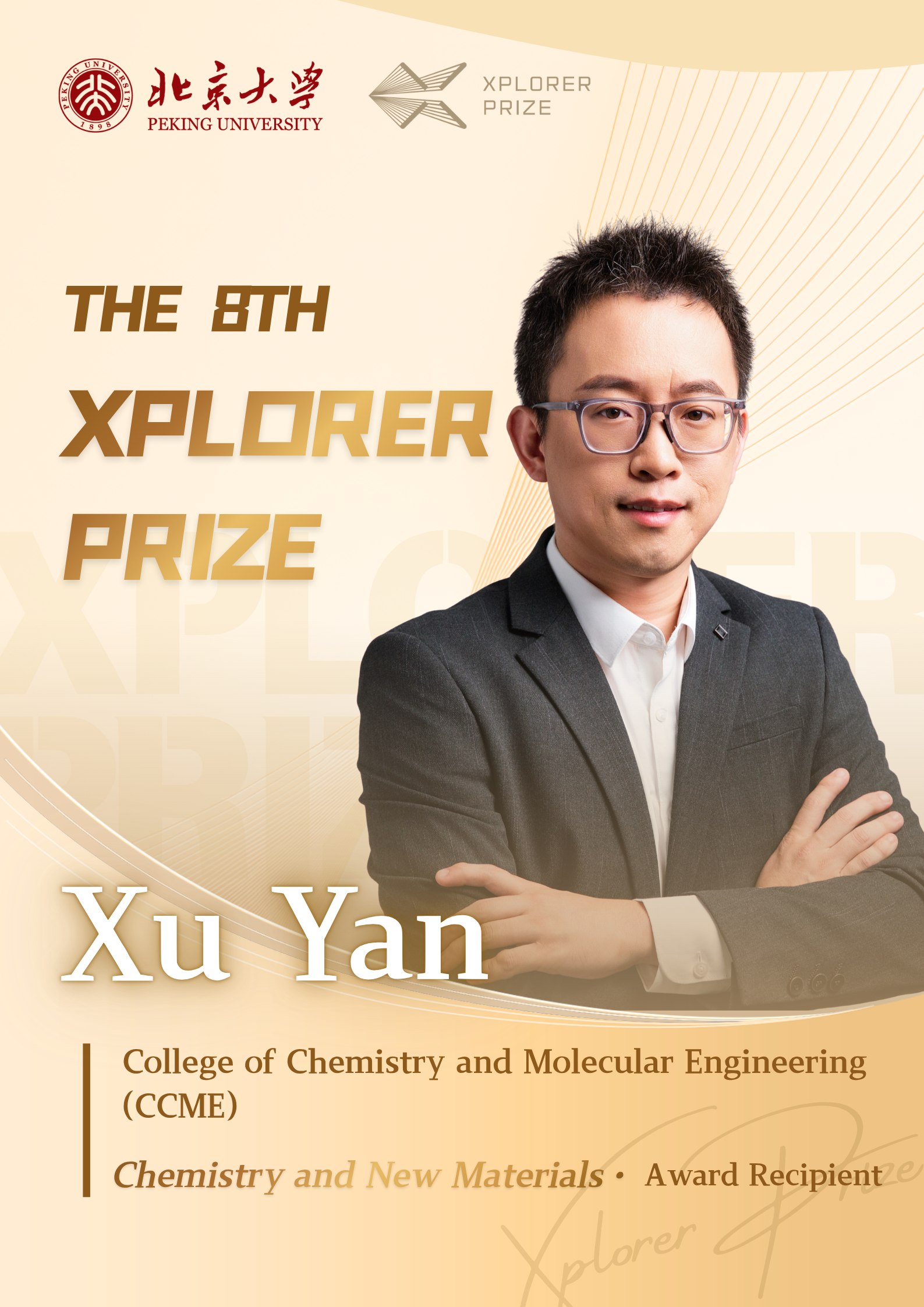 Xu Yan
 (Chemistry and New Materials), College of Chemistry and Molecular Engineering: Xu studies activation of inert chemical bonds. He developed a reversible sampling strategy enabling precise, directing-group-free C–H bond transformation, and a cascade C–C bond cleavage method for skeletal editing of non-strained carbocycles, supporting efficient synthesis of high-value molecular building blocks.
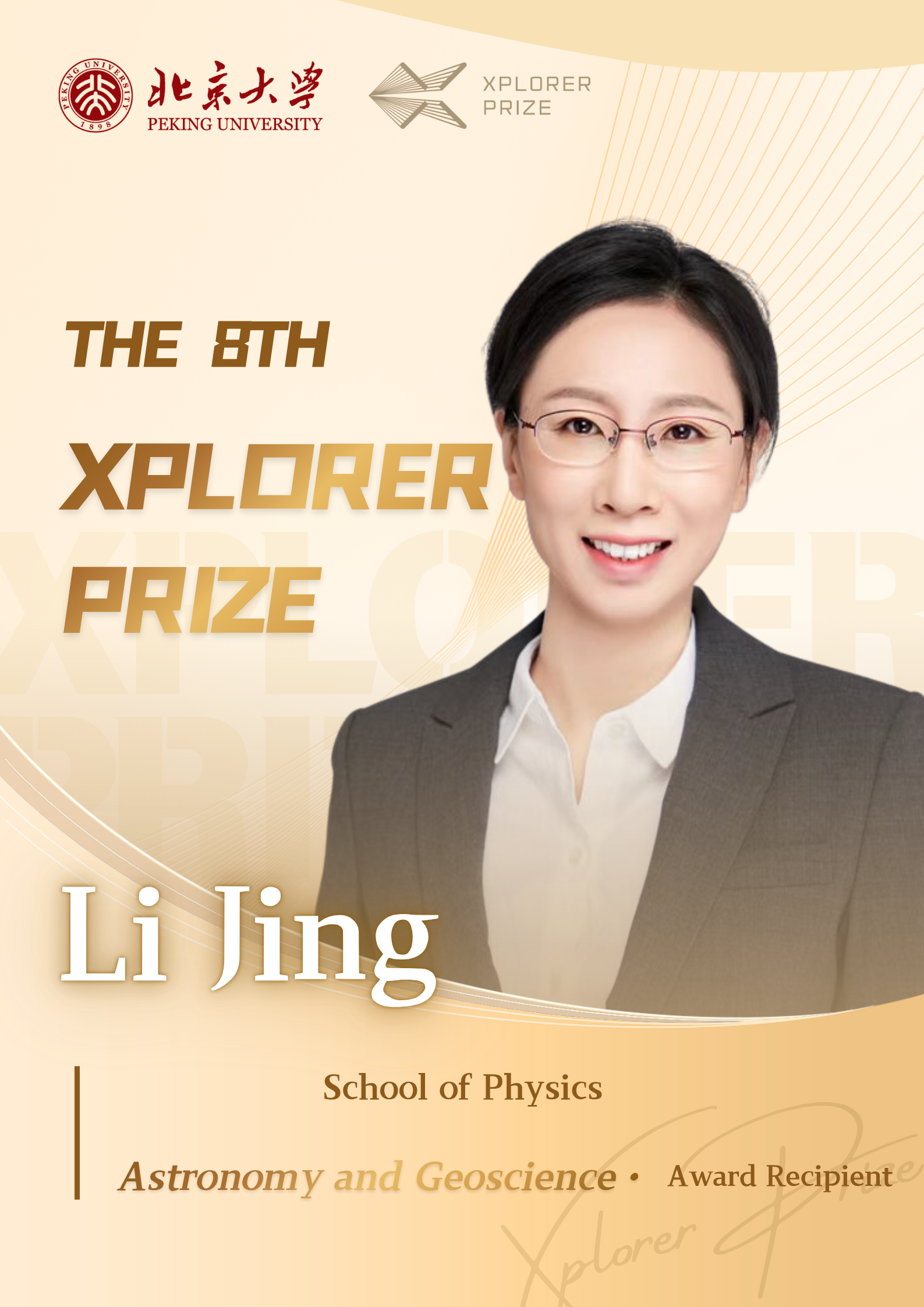 Li Jing
 (Astronomy and Geoscience), School of Physics: Li focuses on aerosol remote sensing and climate effects. She achieved breakthroughs in night-time satellite aerosol retrieval and built a globally consistent dataset revealing how ocean variability regulates natural aerosols. Her bidirectional aerosol-climate feedback mechanism has been applied by China's National Satellite Meteorological Center for atmospheric monitoring and climate forecasting.
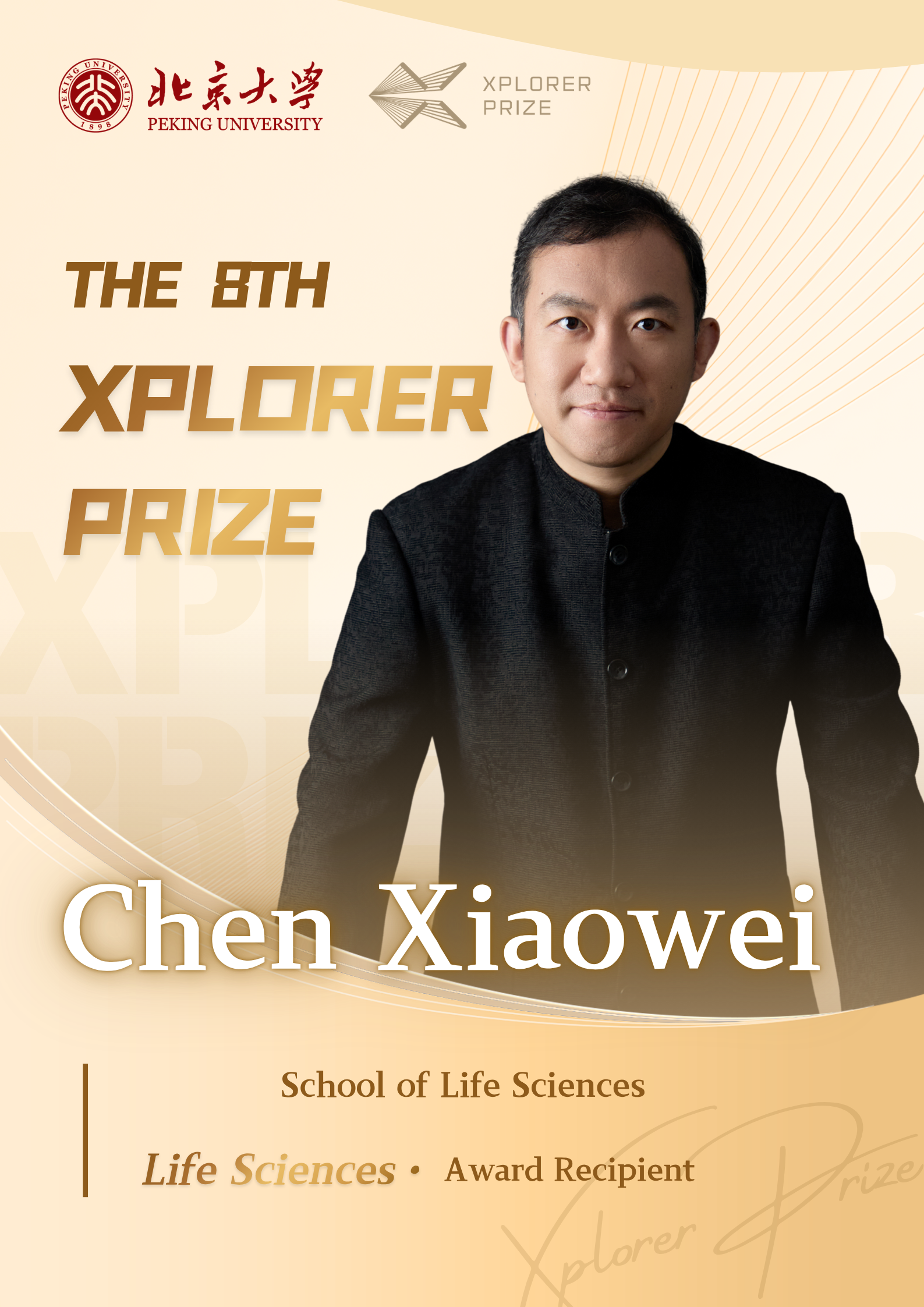 Chen Xiaowei
 (Life Sciences), School of Life Sciences: Chen studies metabolic homeostasis and related cardiovascular disease. He discovered a specific secretory receptor pathway in lipid transport, identified a long-sought phospholipid flippase, and proposed the "unbalanced lipid bilayer response" theory, helping bridge basic research and clinical practices in this area.
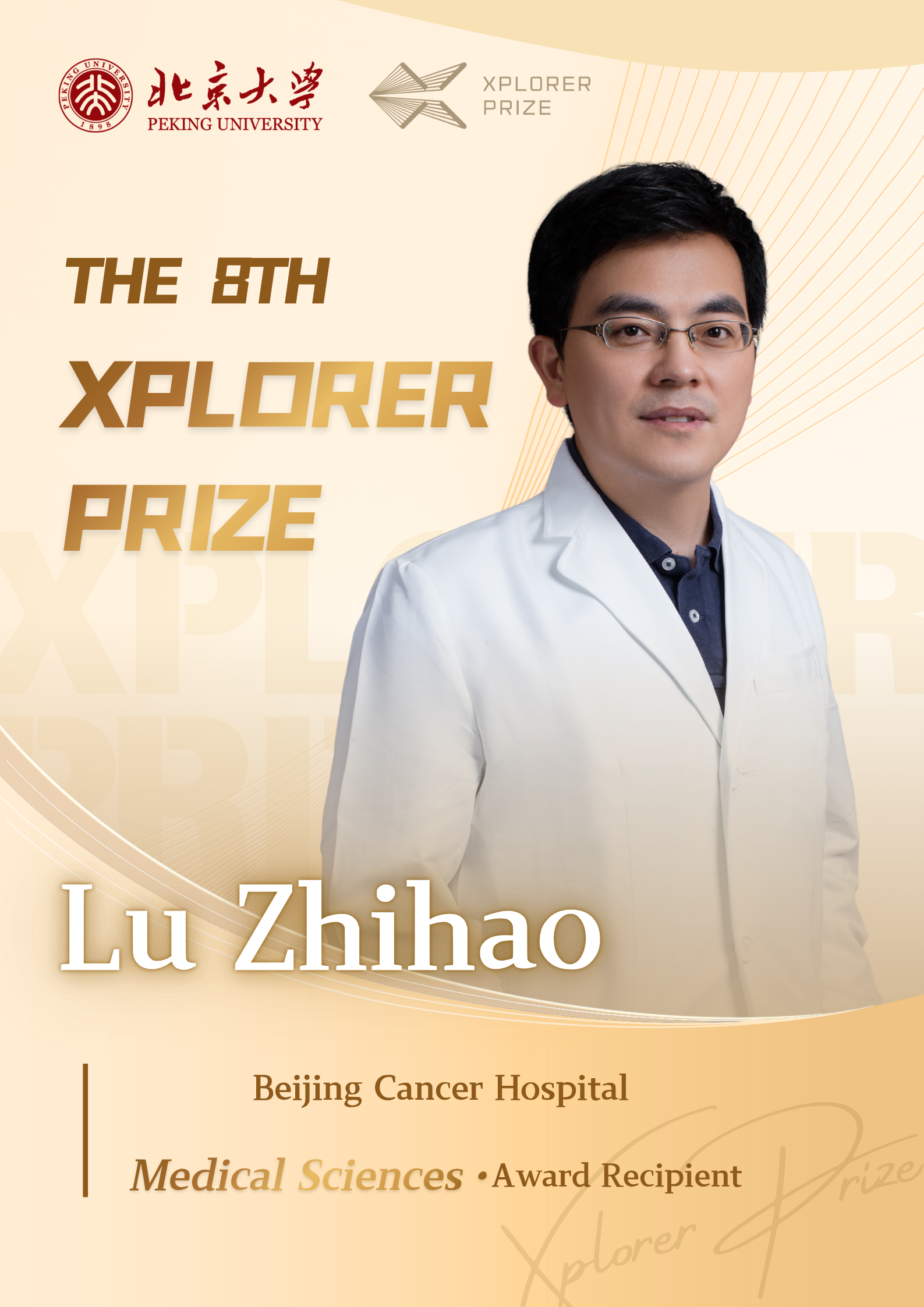 Lu Zhihao
 (Medical Sciences), Beijing Cancer Hospital: Lu pioneered precision therapy for advanced esophageal cancer in the Chinese population. He led the establishment of a nationally leading biobank for the disease. His team's inventions, nine regimens based on NOTCH1 mutations, have been cited in 11 clinical guidelines and facilitated three new drug approvals, significantly advancing personalized treatment frameworks.
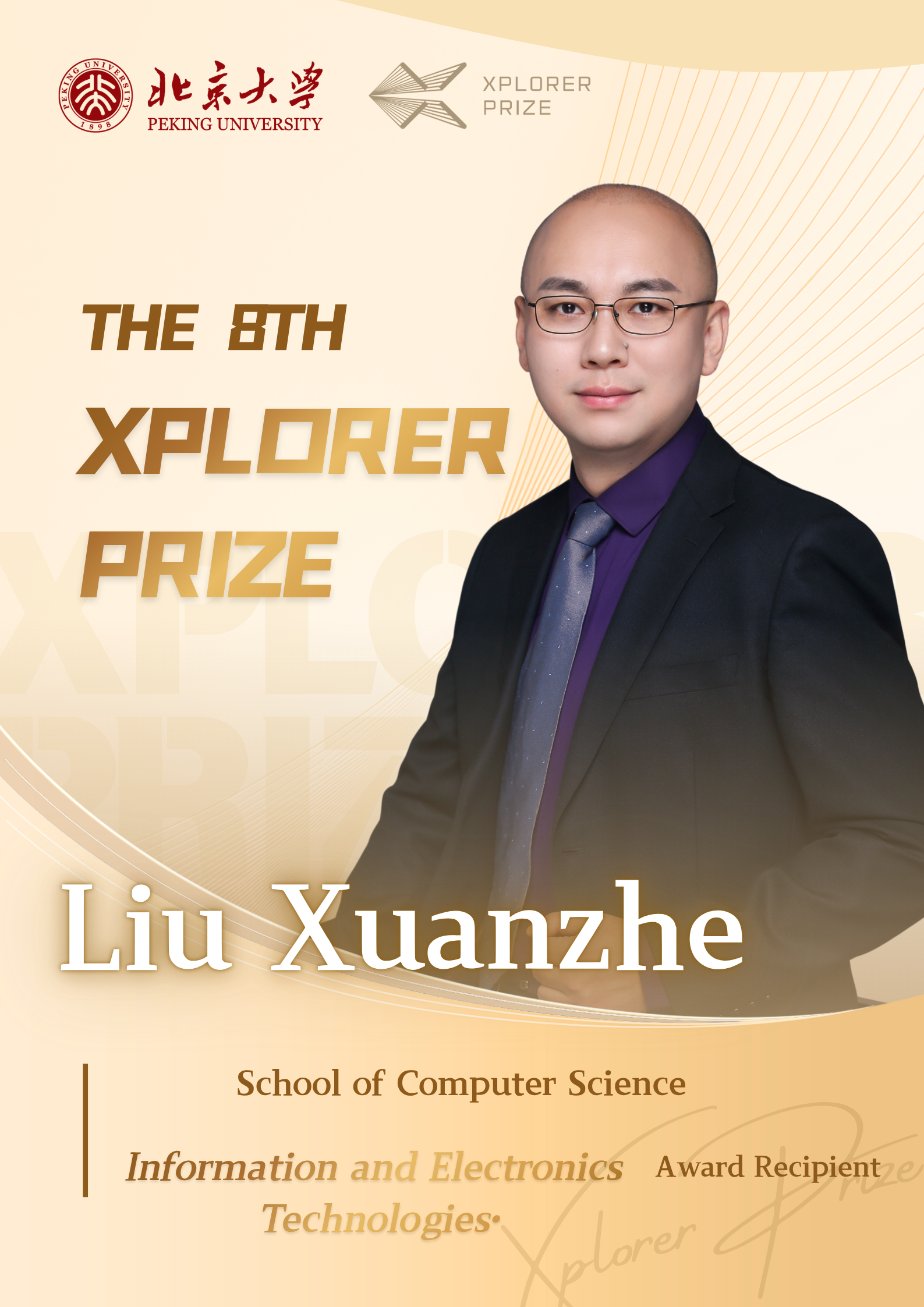 Liu Xuanzhe
 (Information and Electronics Technologies), School of Computer Science: Liu works on foundational system software for large-scale distributed AI infrastructure. His team's proposal of DistServe, a Large Language Model (LLM) serving system with prefill and decoding disaggregation, can optimize resource allocation and minimize the number of GPUs necessary to serve requests while staying within latency requirements, thus significantly improving LLM's serving performance. Outcomes of his research have been deployed in industrial-grade intelligent computing centers, generating wide open-source spill-over effects and providing a basis for reliable, efficient AI operations.
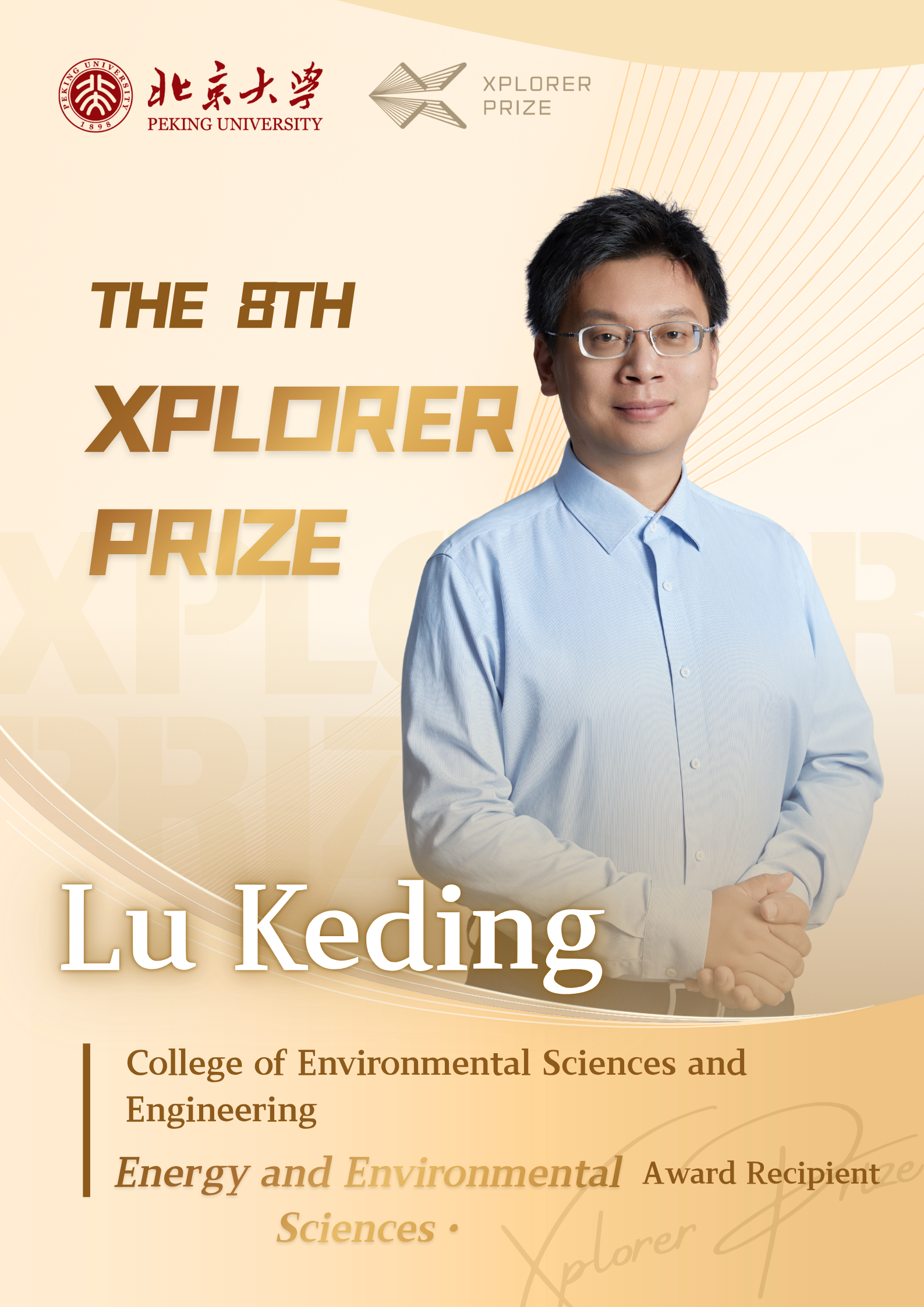 Lu Keding
 (Energy and Environmental Sciences), College of Environmental Sciences and Engineering: Lu has long been working on mitigating "air pollution complex"—the coexistence of strong atmospheric oxidizing efficiency and a high concentration of fine particles. His research has established a comprehensive field observation data set that focuses on free-radical chemistry, new particle generation and particle growth, heterogeneous chemical reactions, among others. It has contributed to a Chinese solution for better understanding ozone pollution and particulate matter pollution.
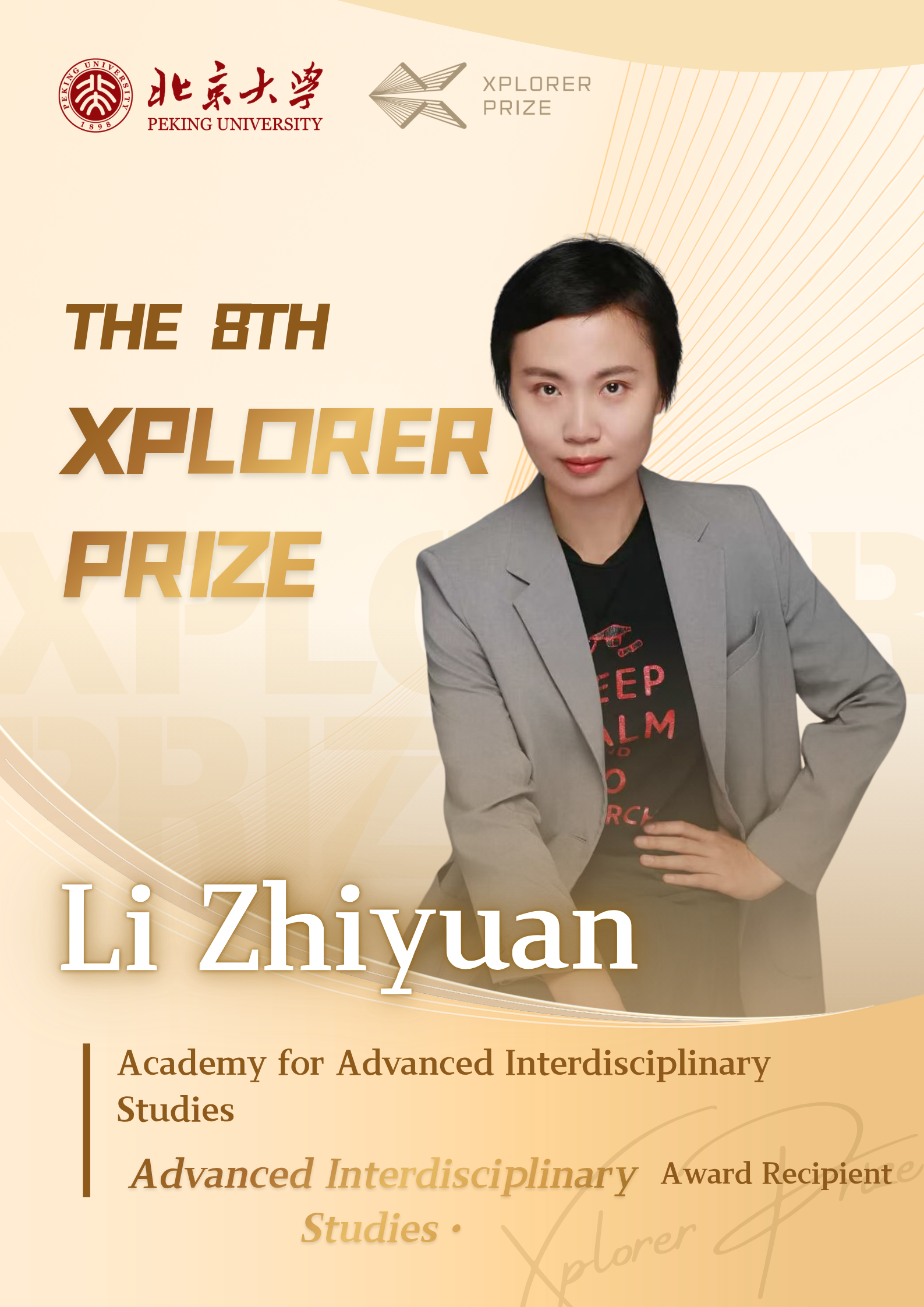 Li Zhiyuan
 (Advanced Interdisciplinary Studies), Academy for Advanced Interdisciplinary Studies: Li pioneered quantitative research on microbial iron interaction networks. Her research introduced the SIDERITE database, which accelerated the discovery of novel iron-binding molecules and the understanding of siderophores. She has proposed constructing a comprehensive iron interaction network across the microbial world, which would offer the potential for precise manipulation of the microbiota, with conceivable applications in medicine, agriculture, and industry.
XPLORER PRIZE
Established in 2018, the Xplorer Prize (Science Exploration Prize) was jointly initiated by 14 renowned scientists, including Yang Chen-Ning, Rao Yi, Shi Yigong, Pan Jianwei, and Xiaoliang Sunney Xie, alongside Ma Huateng, founder of Tencent. Funded by the New Cornerstone Science Foundation, it is a scientist-led philanthropic award that supports young science and technology professionals working full-time in the Chinese mainland, Hong Kong, and Macao. It stands as one of the highest-funded such awards in China.
Written by: Tiffany Yap En Tong, Olivia Tan
Edited by: Chen Shizhuo
Photo design by: Yan Nuo Chen Wang, Wong Qian Yu
Source: PKU WeChat (
Chinese)