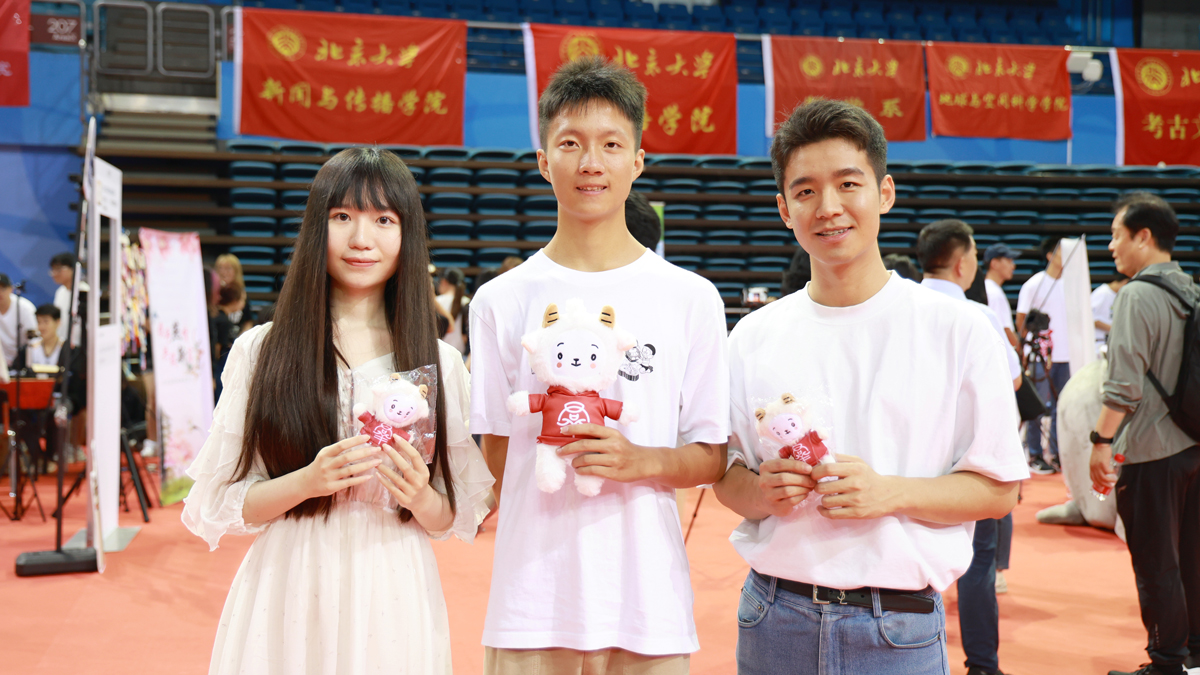
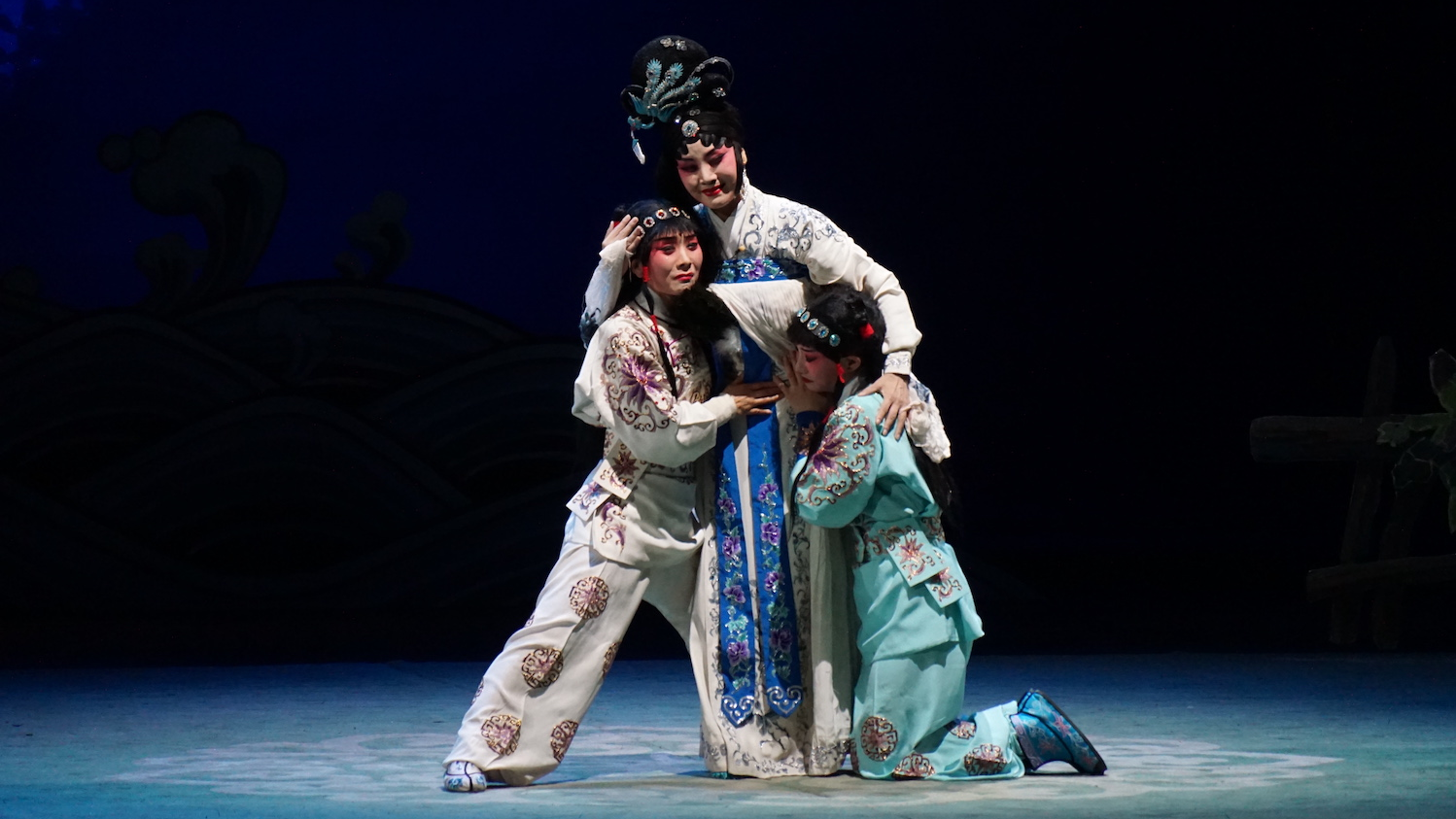
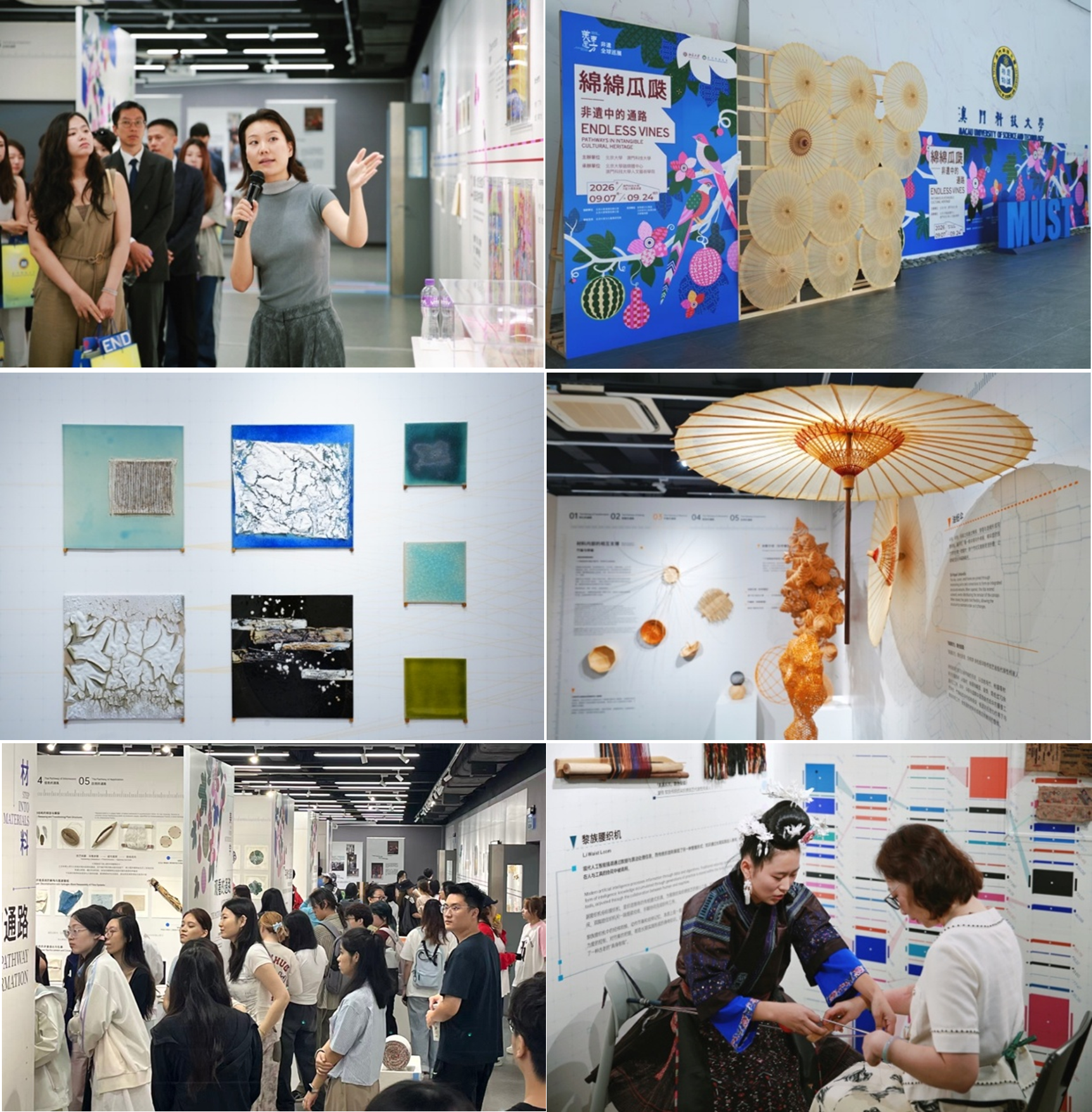
Peking University, September 14, 2026: The exhibition "Endless Vines—Pathways in Intangible Cultural Heritage," the first stop of the world tour "Re-encounter with Chinese Glories: Creative Initiative for Intangible Cultural Heritage," opened at Macau University of Science and Technology (MUST) on September 7. Launched by the News and Media Centre at Peking University (PKU), this tour aims to bring together intangible cultural heritage (ICH) practitioners, researchers, and academic institutions to explore new approaches to the inheritance and innovation of traditional craftsmanship.
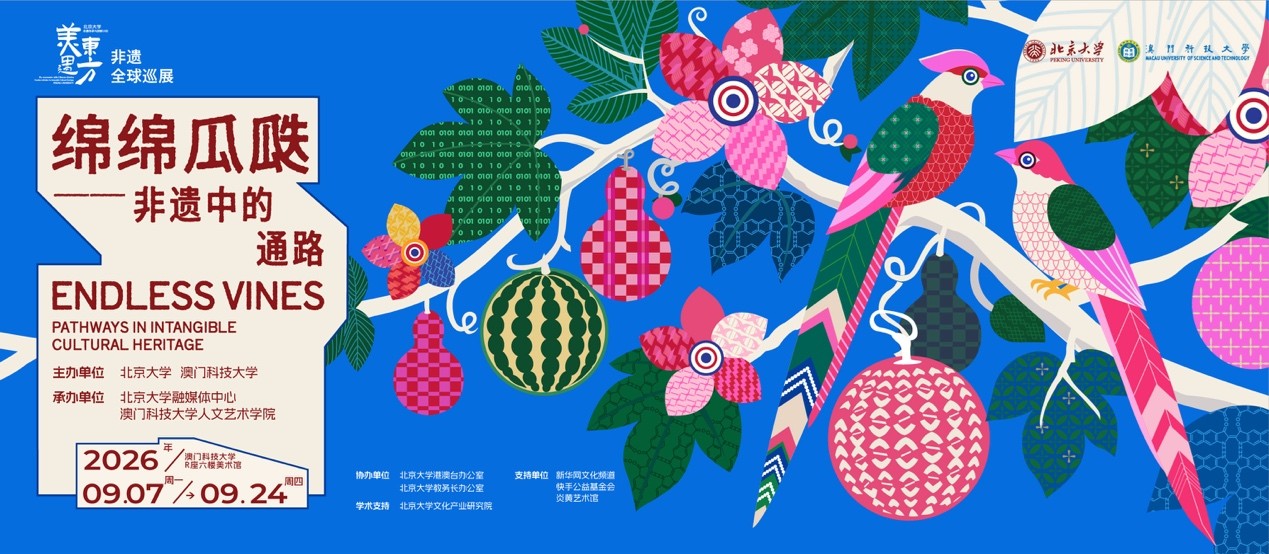
The exhibition takes its name from the poem
Mian in the
Book of Songs (Shijing), which evokes the image of continuously growing melon vines, later interpreted as symbolizing vitality and civilizational prosperity. Through selected works, techniques and interdisciplinary research projects, it traces how traditional knowledge moves from natural materials to crafted objects, from physical structures to cultural experience, and from inherited practices to new forms of innovation.
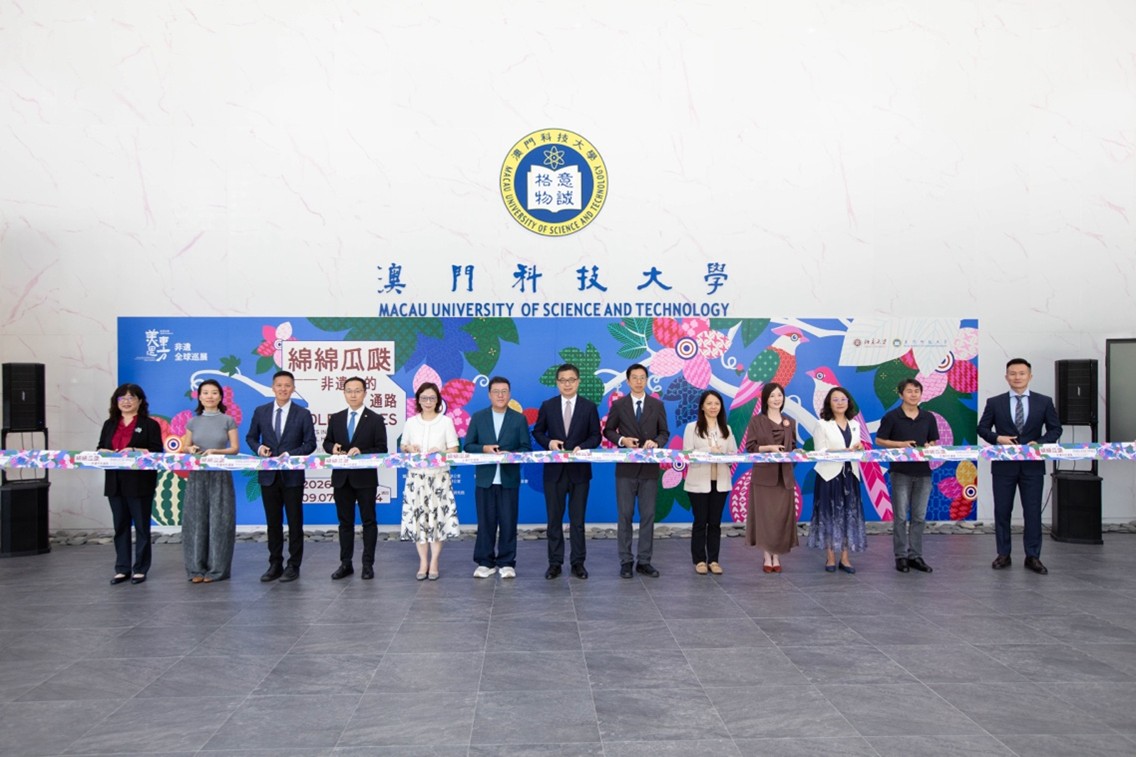
A group photo of the guests at the opening ceremony
Zhang Zhiqing, dean of the MUST Faculty of Humanities and Arts, said that ICH, when viewed from multiple disciplines, "shows a meaning that is more robust and vivid than viewed from a single angle." He then expressed a wish that the two institutions could use this opportunity to deepen cooperation on fields including ICH research, student training, innovative applications, among others.
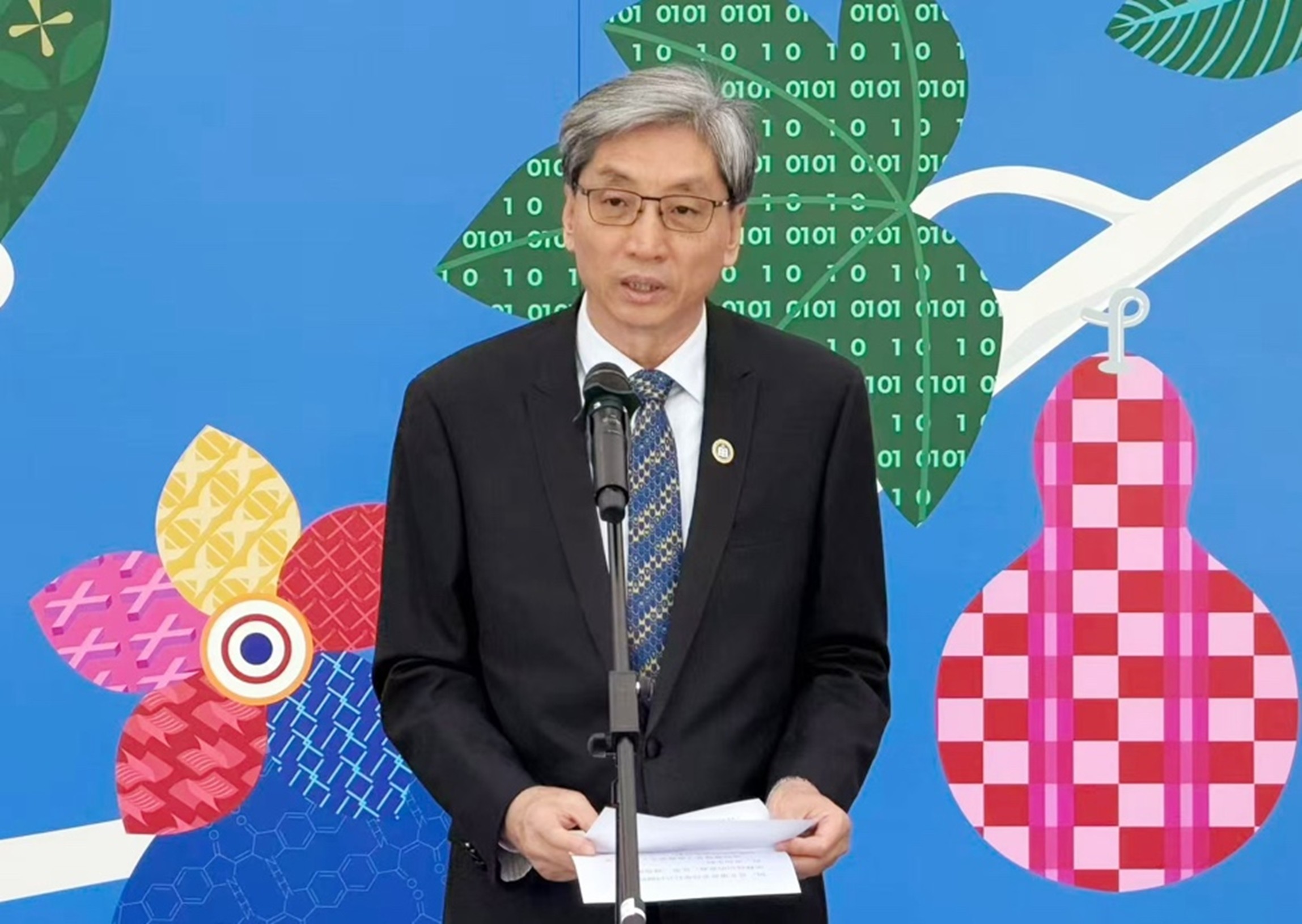
Zhang Zhiqing
Luo Ling, deputy director of PKU News and Media Centre and initiator of the "Re-encounter with Chinese Glories" project, said that "ICH is not just a technique practiced in silence; it is the lifeblood vigorously coursing through the veins of the Chinese people." By looking at ICH from five angles—material, aesthetics, mechanics, digital intelligence, and business, this exhibition, she said, had shone an academic light on ICH, showing the world from Macau the charm of China's traditional craftsmanship.
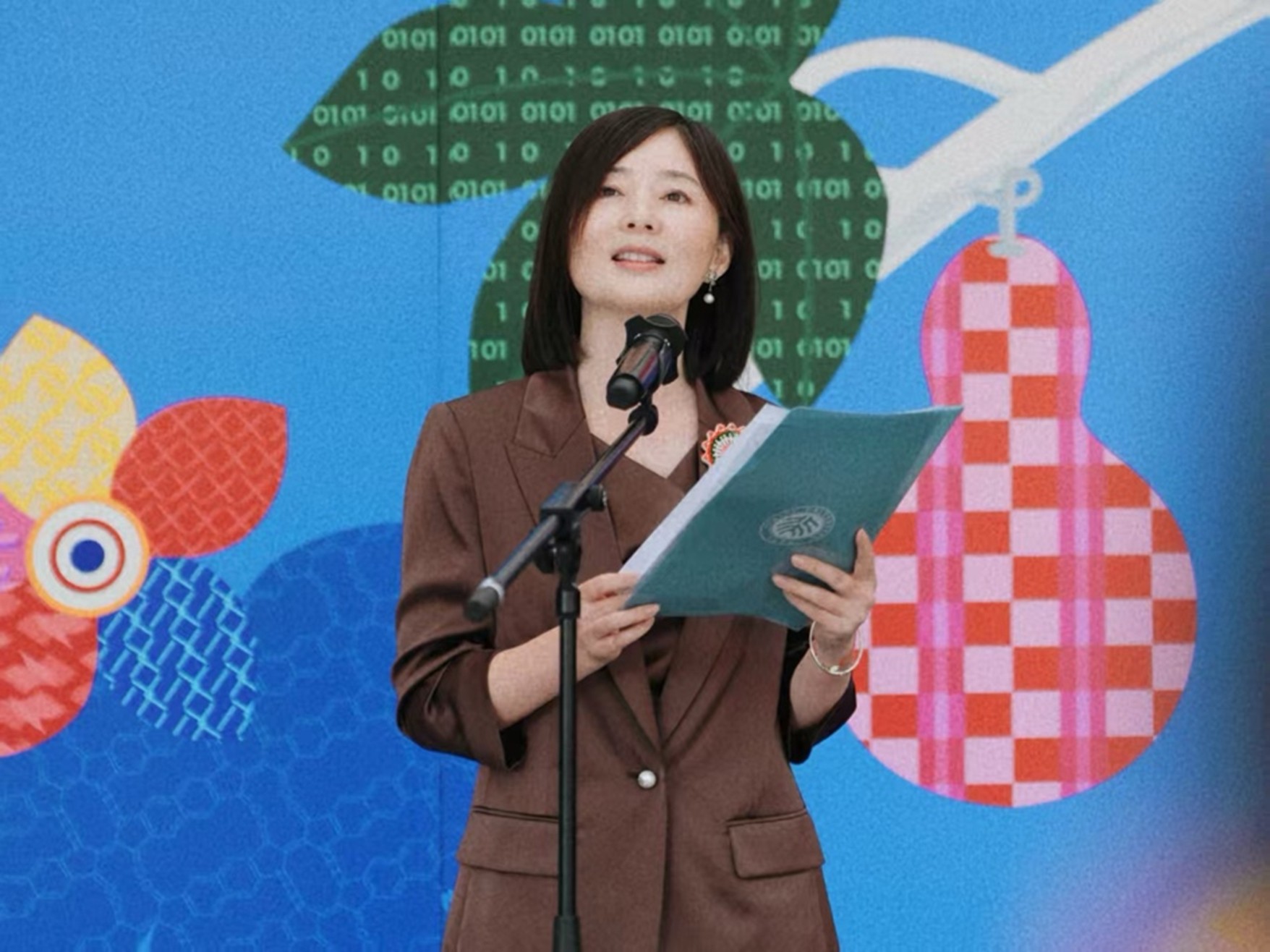
Luo Ling
Xiang Yong, director of the PKU Institute for Cultural Industries and chief academic advisor to the project, pointed out that, by blending the cultural essences of the East and the West, this exhibition in Macau opened a new avenue for ICH preservation. He also noted the brief history of the designation of intangible cultural heritage, which derived its name from a convention adopted by UNESCO only in 2003.
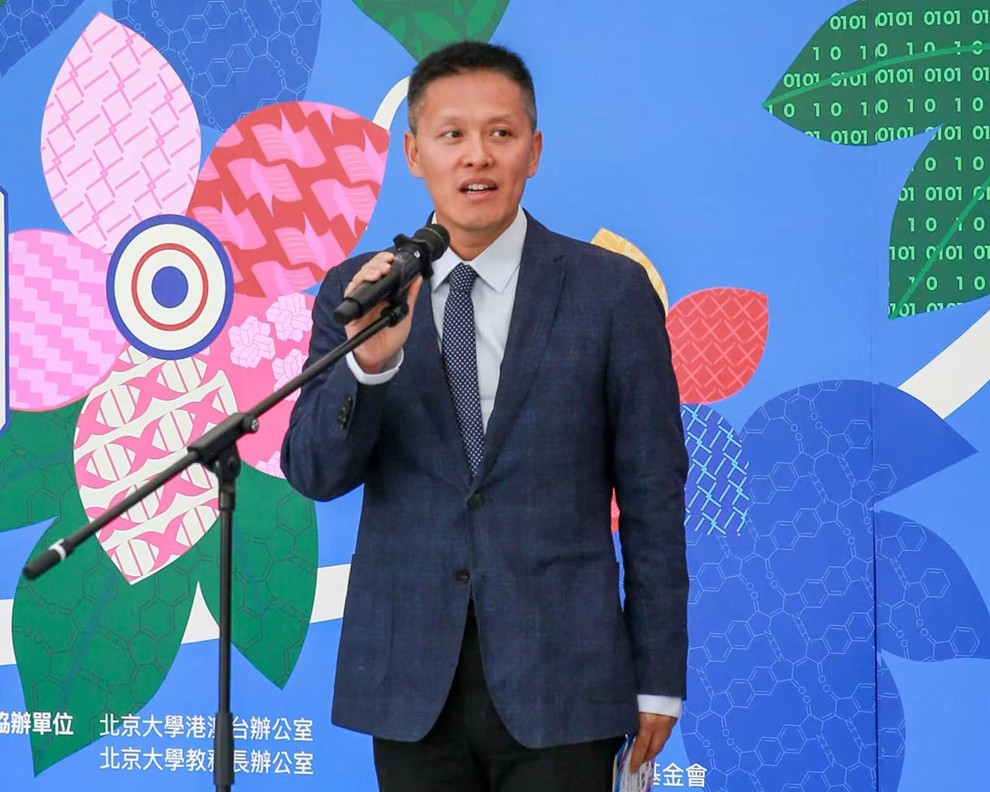
Xiang Yong
Technology and public engagement are also central to the preservation of ICH, observed Liu Zhen, vice president of Kuaishou. He introduced the technology company's digital approach to promoting ICH and its practitioners, which uses livestreaming and short videos to amplify the visibility of the practitioners who live in remote areas.
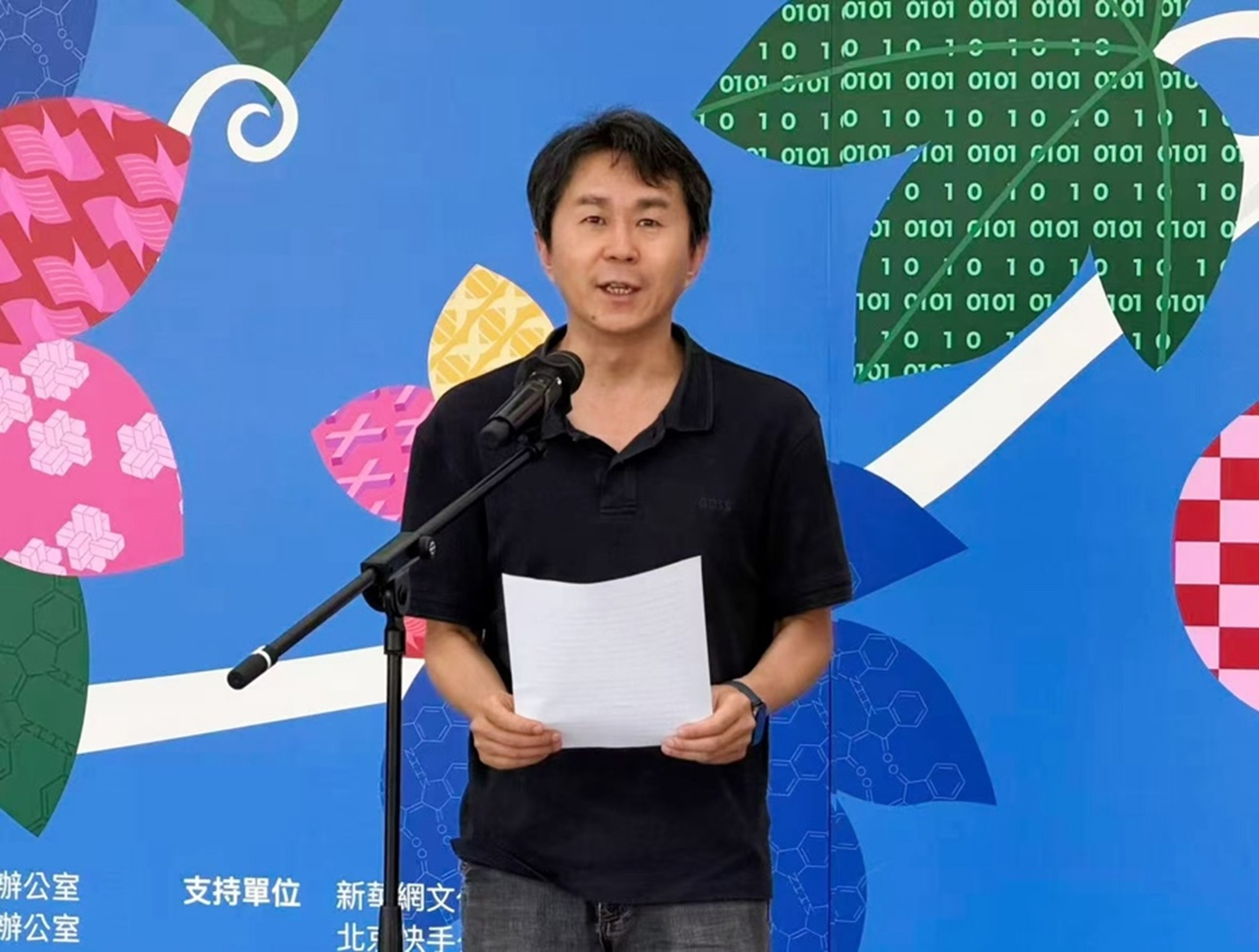
Liu Zhen
Ai Xinya, a PKU alumna and curator of the exhibition, recounted the remarkable ICH artworks the project team documented on their research trips. She expressed the team's hope that the works on display can infuse more traditional wisdom into contemporary designs and research projects.
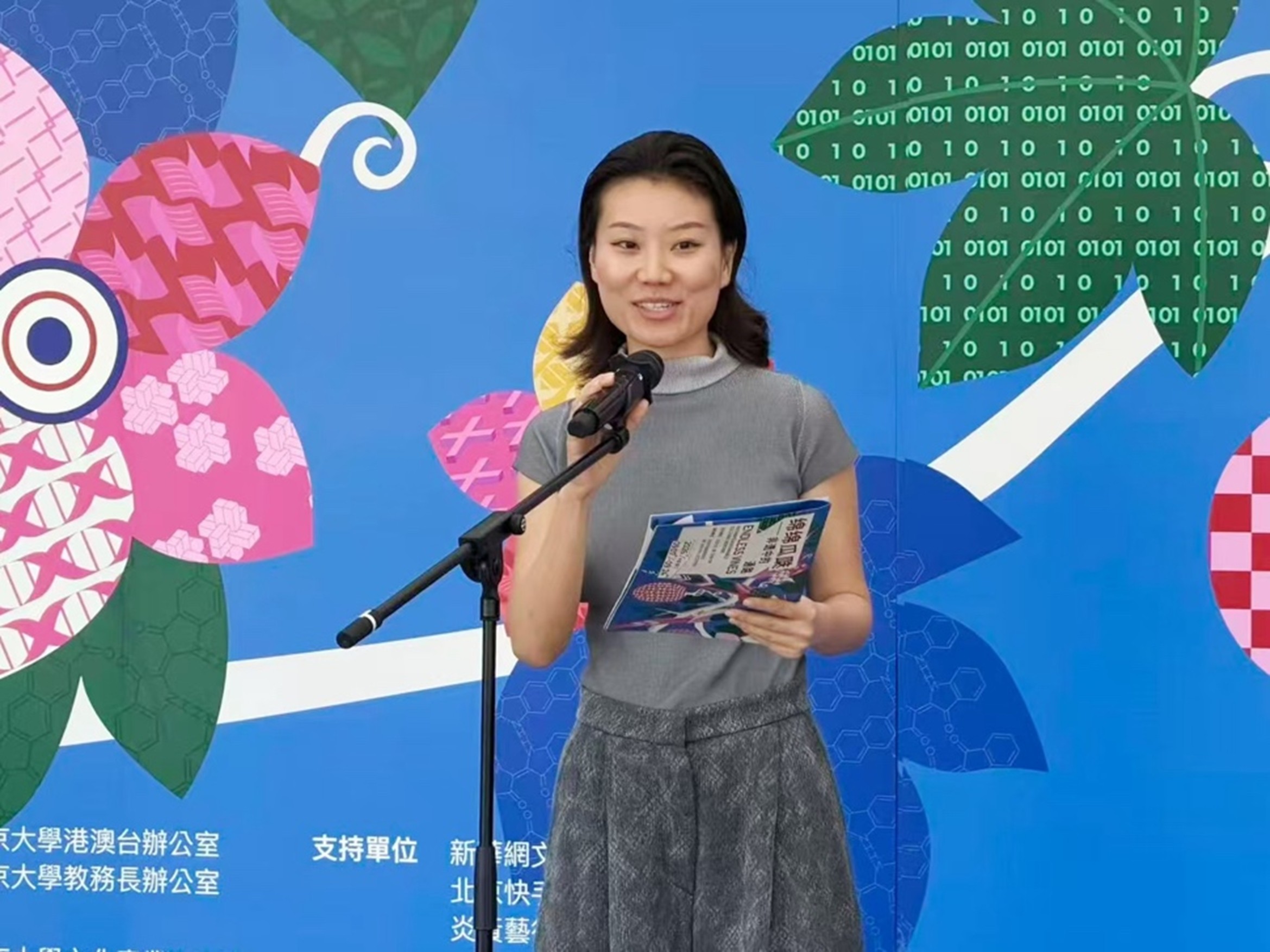
Ai Xinya
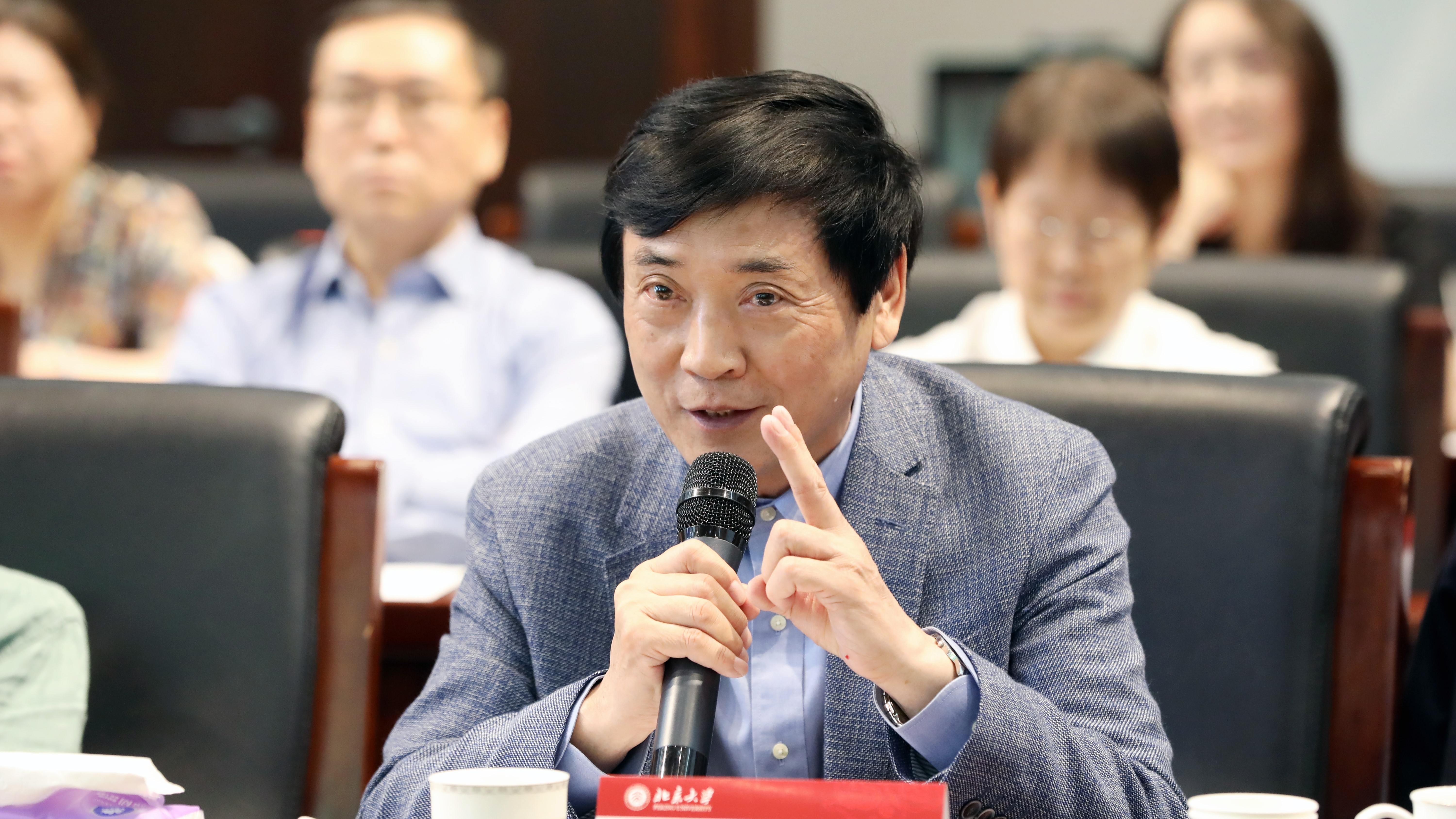
On the afternoon of the opening day, guests were invited to a roundtable discussion on interdisciplinary inspirations from ICH and the role of traditional wisdom in the future. The exhibition, open through September 24, marks a new chapter in PKU's ongoing exploration of the research, preservation, and innovation of ICH, while opening further possibilities for collaboration and dialogue around China's living traditions.
 Written by
: Wong Jun Heng
Edited by: Chen Shizhuo