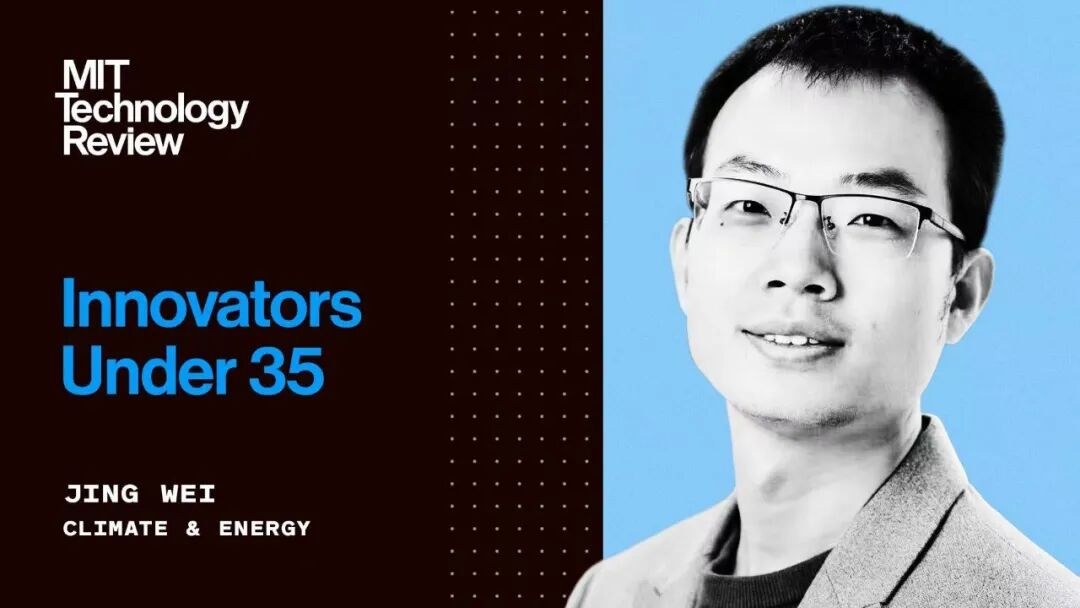
Peking University, October 22, 2026: At just 34 years old, Peking University researcher Wei Jing is already considered a world-class scientist. In September, Wei received two major international honors within six days: the World Young Aerosol Scientist Award (WYASA) on September 2, followed by his selection for MIT Technology Review's Innovators Under 35 (TR35) in the category of "Climate & Energy."
Behind these honors is nearly seven years of research combining satellite remote sensing, atmospheric science and artificial intelligence. Traditional air quality monitoring relies largely on ground stations and satellites, both of which have limitations. Ground stations cannot provide complete spatial coverage, while satellites are affected by clouds and observation times. Wei’s research aims to fill these gaps and create more continuous and detailed information about air pollution.
In 2019, Wei and his team published their first study integrating AI with atmospheric science and satellite data. Their approach improved the spatial resolution of satellite-based near-surface air pollution estimates from 10 kilometers to just one kilometer, allowing pollution patterns to be mapped at the city and even neighborhood level.
The impact of Wei’s work has gone global. His team chose to make its high-resolution air quality datasets publicly available, and they have since been cited more than 5,000 times across the world to support over 500 scientific papers. Researchers have used the data to study issues ranging from lung cancer and stroke to economic losses, agriculture and food security.
For Wei, this wider use is one of the most meaningful parts of his work. Rather than simply viewing the datasets as “our results,” he hopes they can become “everyone’s tools.”
His next goal is even more ambitious: making air quality as predictable as the weather. Using a new generation of satellites and AI models, Wei’s team hopes to eventually forecast pollution hour by hour, allowing people to know not only what is currently in the air, but what they may be breathing days from now.
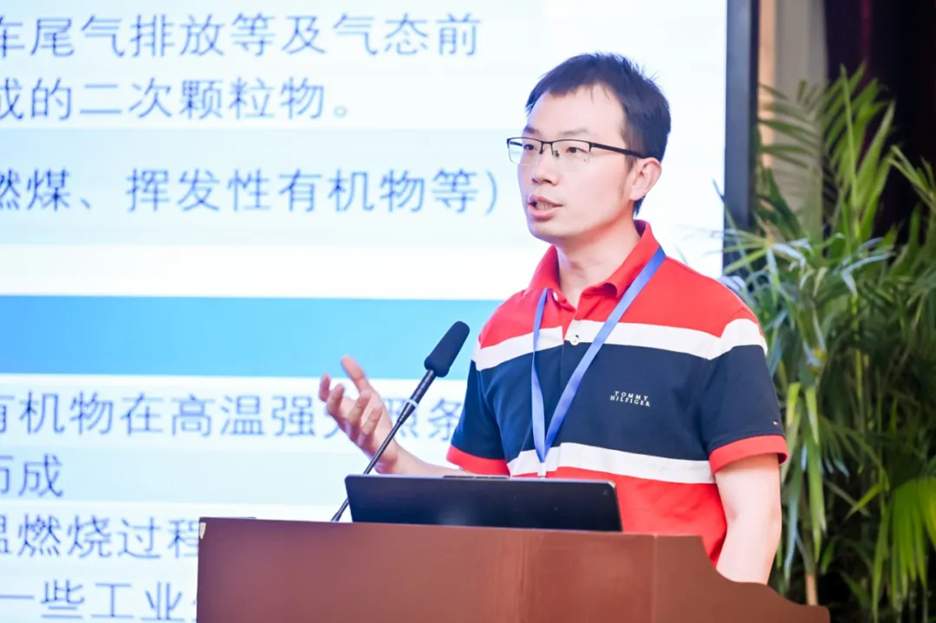
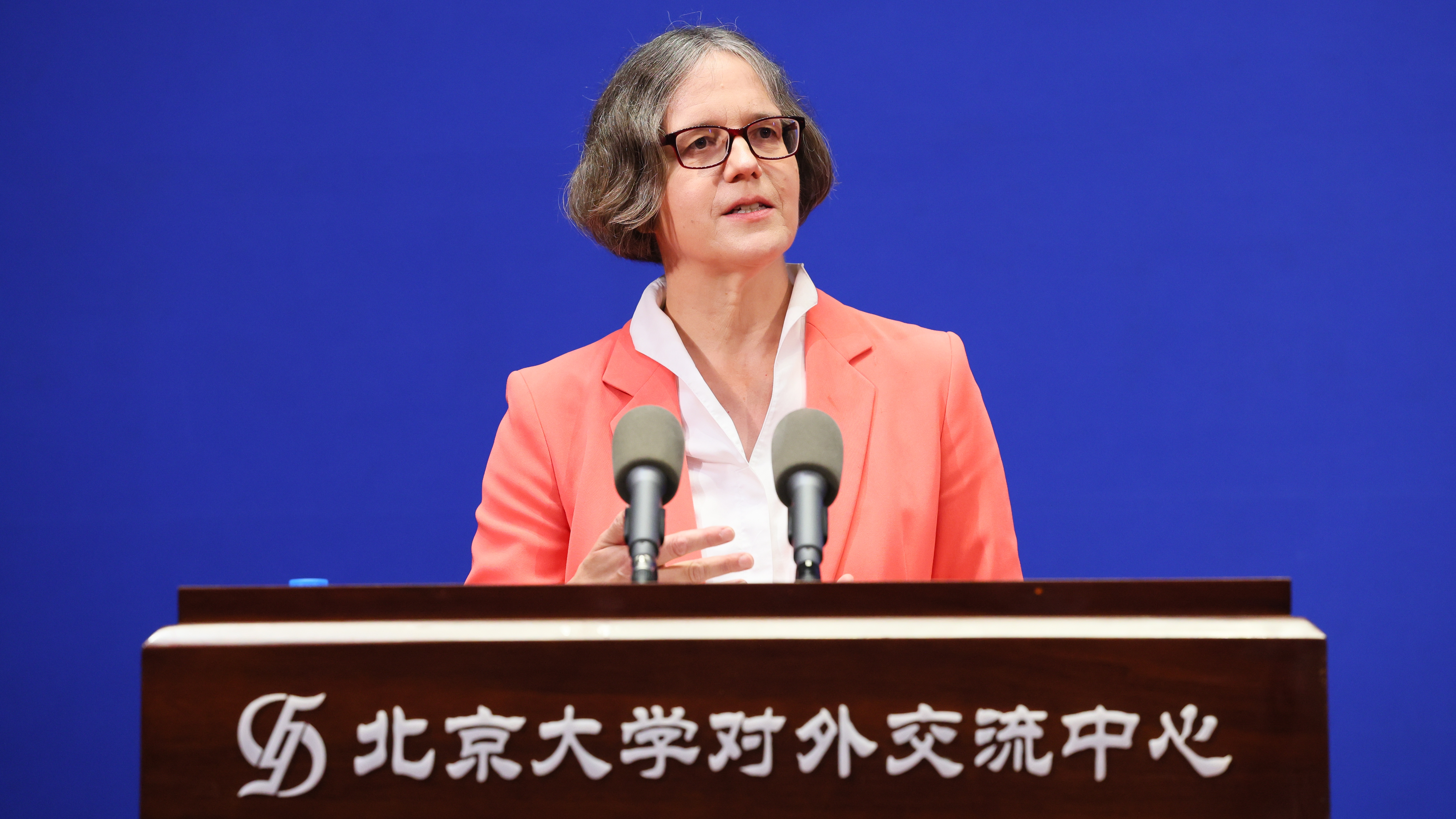
Wei Jing making a presentation at an academic conference.
For a scientist whose work begins thousands of kilometers above the Earth, its ultimate purpose remains close to home: to better understand and protect every breath we take.
Written by: Su Shen Ooi
Edited by: Leow Kai Lim, Chen Shizhuo
Source: PKU WeChat (
Chinese)