Editor's note: This year marks the 90th anniversary of the victory in the Long March, the 6,000-mile historic trek of the Chinese Communists that saved them from the encirclement of the Nationalist forces. Wrapped in the context of the Chinese Communist Revolution, this treacherous journey was first minutely reported to the world by Edgar Snow, through his bestseller Red Star Over China. His life's work was defined by his first-hand reports that introduced to the West the Communist movements in China. This article takes a granular look at his adventures and sheds light on his bond with Yenching University.
Peking University, October 23, 2026: Snow was born in Kansas City, Missouri, on July 19, 1905, and studied journalism at the University of Missouri. In his early years, his wanderlust led him to travel around the world, in search of new horizons and adventures. He set foot in China in 1928, when the country was experiencing a period of tumult and political unrest. In Shanghai, he landed a job with China Weekly Review, which offered him opportunities to travel to numerous cities in China. Snow was a first-hand witness to the disruptions and sufferings of the Chinese people during this period of social upheaval. Gradually, he came to better understand the Communist Revolution and the bias and limited perspective in Western media's coverage. With a deepened understanding of China and Chinese culture, Snow resolved to report the real and untold stories of China to the West. Over the next 13 years, Snow became a prolific contributor to magazines and newspapers in China, the U.S. and Britain, and was given the title of America's foremost journalist-analyst of Asian affairs.
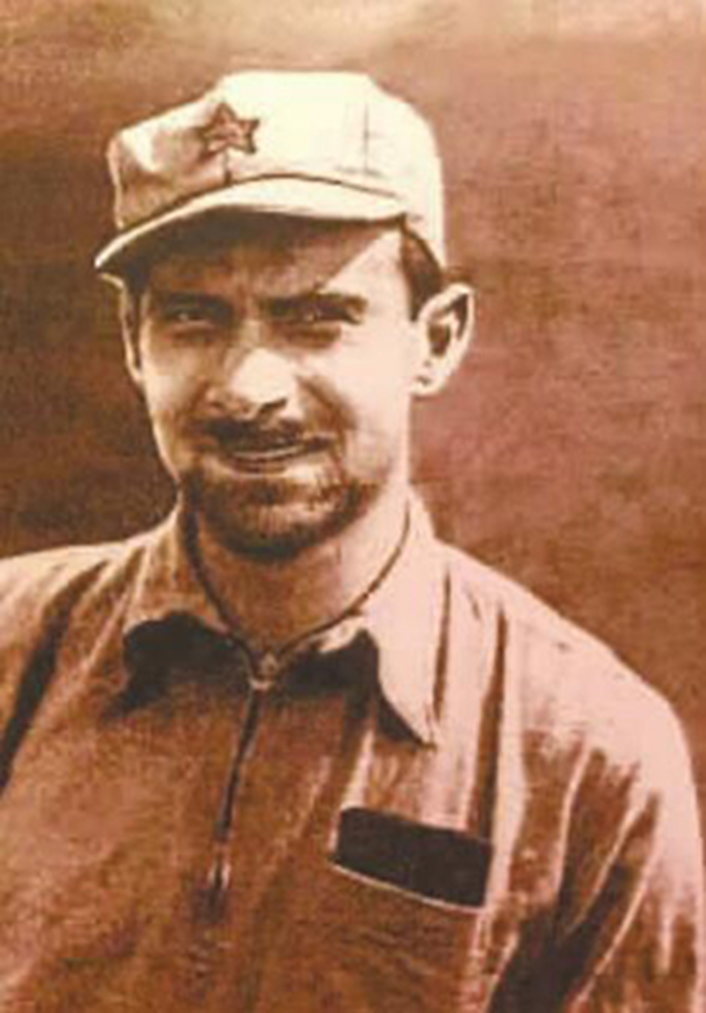
Edgar Snow
Yanyuan: Forever Home
Snow's connection with Yanyuan goes back to 1934, when the campus still belonged to the former Yenching University. From 1934 to 1935, Snow was a lecturer in the Department of Journalism at Yenching University, teaching a course on feature writing. Students vividly recalled that on the first day of his lecture, Snow walked into class telling the students that he "came to China not to teach, but to study" and that "there was much to learn from China" (Hamilton, 1988: 56). Indeed, Snow found himself deeply connected to China and the people here. It was due to this special sense of belonging that he decided to learn Chinese during his tenure at Yenching University. Snow's journalism course became very successful and gained immense popularity among the students at Yenching, and soon, even the guestroom in his house was transformed into a place of gathering for political discussions. There, Snow worked on his Living China project with Chinese students and scholars who would assist him with the translations. Throughout this period of time, Snow was exposed to different views and opinions and gained a new-found respect for the patriotism expressed by the young progressive students. In an effort to engage in free discussions with students while protecting them from arrest, he converted his home near the campus of Yenching into a safe haven for the students, which many affectionately referred to as "a window to the fresh air" (Thomas, 1996: 120).
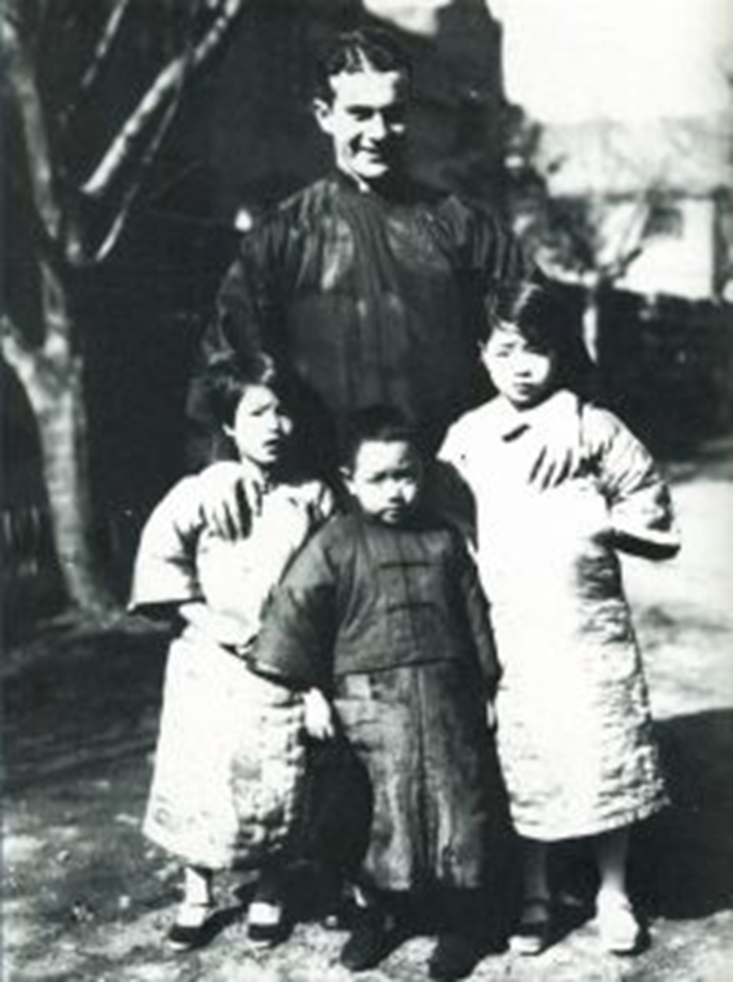
Edgar Snow in China.
In the autumn of 1935, when the political situation in Northern China became increasingly tense under threats from the Japanese forces, the Kuomintang government suppressed student movements and sought compromise with the Japanese. This resulted in uproar and disapproval among the suppressed student groups, who demanded resistance from the Chinese government against Japanese aggression. Under such circumstances, the Chinese communists called for a voluntary mobilization of all Chinese students to protest against the Kuomintang government and demanded a resistance policy against the Japanese aggression, eventually morphing into a large-scale protest later known as the December 9th Movement.
Snow and his students witnessed the movement first hand and played a vital role in covering it for the foreign press, gaining support from people around the world. After the strike, the Yenching University Student Self-Government Association took Snow's suggestion and held a reception for foreign journalists to show the world the fruits of their demonstrations. The success of the anti-Japanese demonstration strengthened Snow's belief in Chinese people's determination to unite in pursuit of a common cause. The young Chinese students possessed such eagerness and courage to pursue great dreams despite a difficult time and Snow was extremely certain that they carried the torch of hope for a new China.
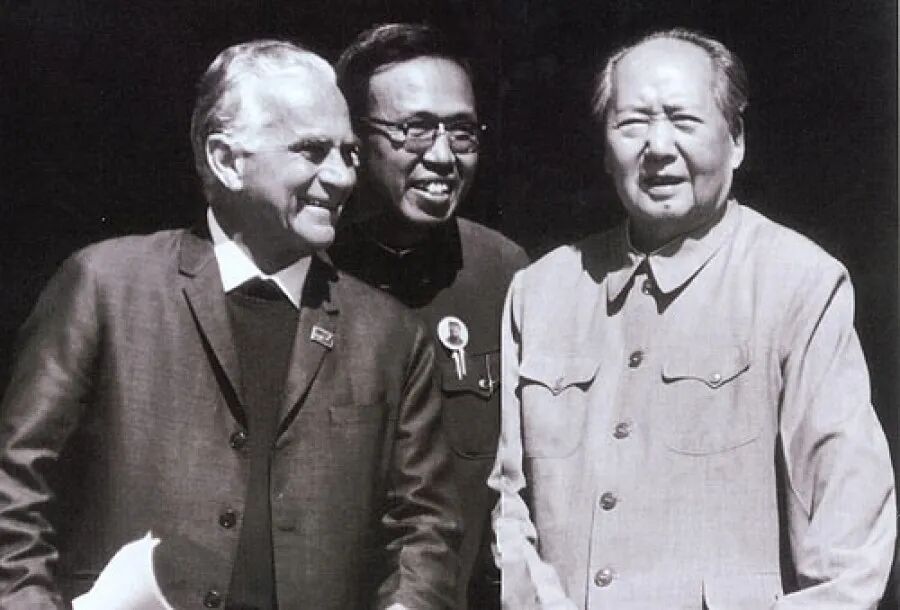
Edgar Snow with Mao Zedong in 1970, at the 21st anniversary celebration of the founding of the People's Republic of China.
After his journey to the Chinese Red Army base area in northern Shaanxi, Snow returned to Peiping and was invited to give lectures on his visit to Yan'an in a meeting held at the lakeside of Yenching University in February 1937. Snow presented the films and photos showcasing the reality of the Red Army base area to his audience, introducing many to a place where a promising new China was taking shape. Snow also encouraged students to visit the Chinese Red Army in person if they could.
After the founding of the People's Republic of China, Snow revisited the country three times between 1960 and 1970. For Snow, Peking University was always on top of his must-visit list. In his 1963 book, The Other Side of the River, he commented, "foremost of the colleges was the Pei-ta, Peking National University, which produced the foremost founders of the Communist party. Pei-ta is still the goal of ambitious arts and sciences students and graduate research workers" (Snow, 1963: 243).
An American Friend of the Chinese People
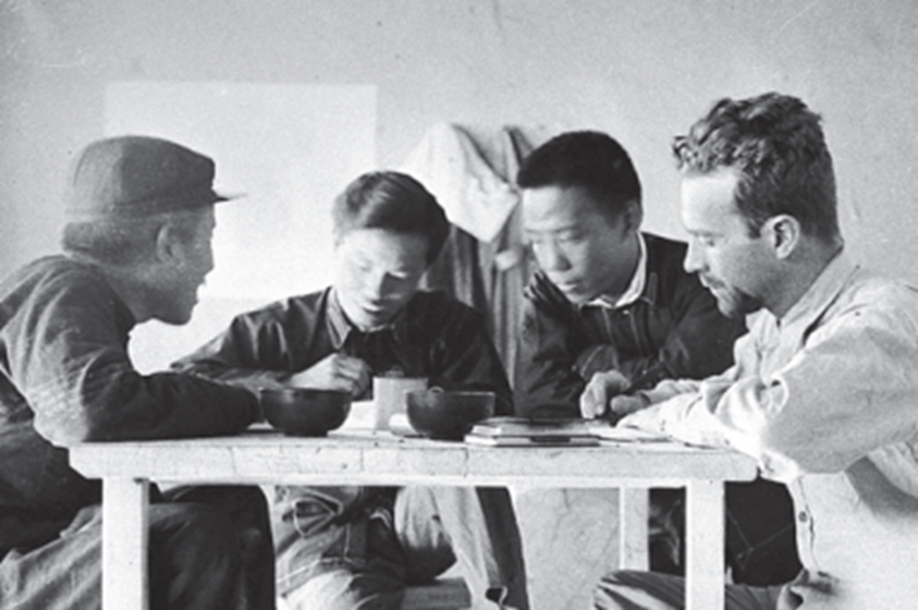
Over the years, Snow continued his quest to acquaint the West with the Communist Revolution in China. Notably, one of his most brilliant contributions was the series of interviews he had conducted with the top leaders of the CPC. In 1936, Snow ventured his way through the heavy military blockades of the Nationalist army and into the Communist headquarters at Bao'an. At that point, the Red Army, which had just finished the Long March, successfully escaping the siege of Chiang Kai-shek's Nationalist forces, was still largely unknown to the outside world. In a cave with security guards, Snow interviewed Mao Zedong, Zhou Enlai, as well as other CPC leaders, and lived there for five months, penning down stories that had never before been made public, and presenting them objectively to the world. It was during this period that Snow gained further insights into their grand vision for a new China. Based on the information gathered from the interview, he made his own prediction: in the increasingly sharp conflict between the Kuomintang and the Communist Party, the Chinese people would continue to support the Red Army, and that the Red Army would ultimately succeed. His predictions turned out to be right.
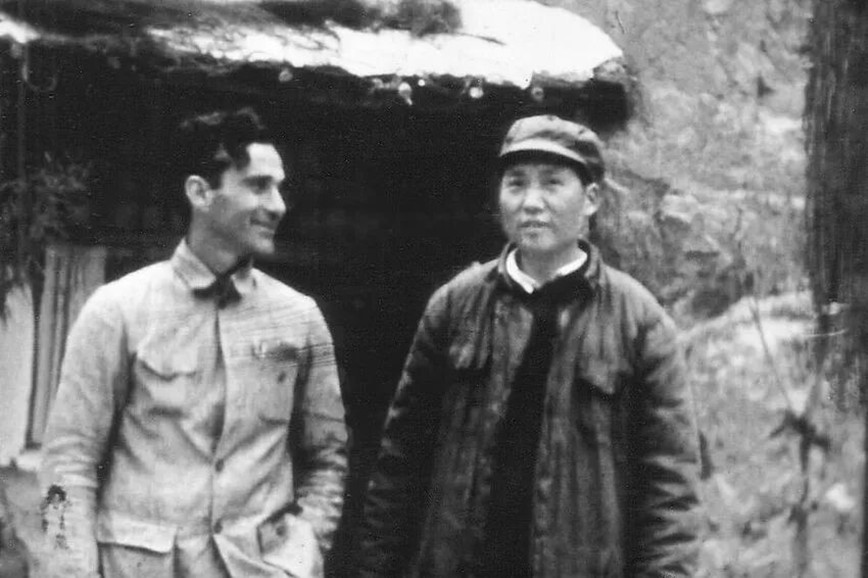
Edgar Snow with Mao Zedong in 1936.
After coming back to Peking, Snow wrote voraciously, with the purpose of enlightening the world about the Communist movement. He wrote a book, Red Star Over China, in 1937, which revealed detailed accounts of the Communist revolution that otherwise would have remained obscure.
His records presented to the world for the first time an expressive representation of the Long March — "like a flame, an undimmed ardor and undying hope and amazing revolutionary optimism of those thousands of youths who would not admit defeat by man or nature or God or death."
In Snow's opinion, the Long March transcends the bounds of a military operation and reaches a rarefied realm in human civilization worthy of comparison to the greatest epic poem in Western literature — the Odyssey.
This book took the West by storm. It was hailed as the "most exclusive report in history" and sold more than 100,000 copies in the UK alone one month into publication. To this day, it is still one of the most important books ever written about the birth of the Communist Revolution in China.
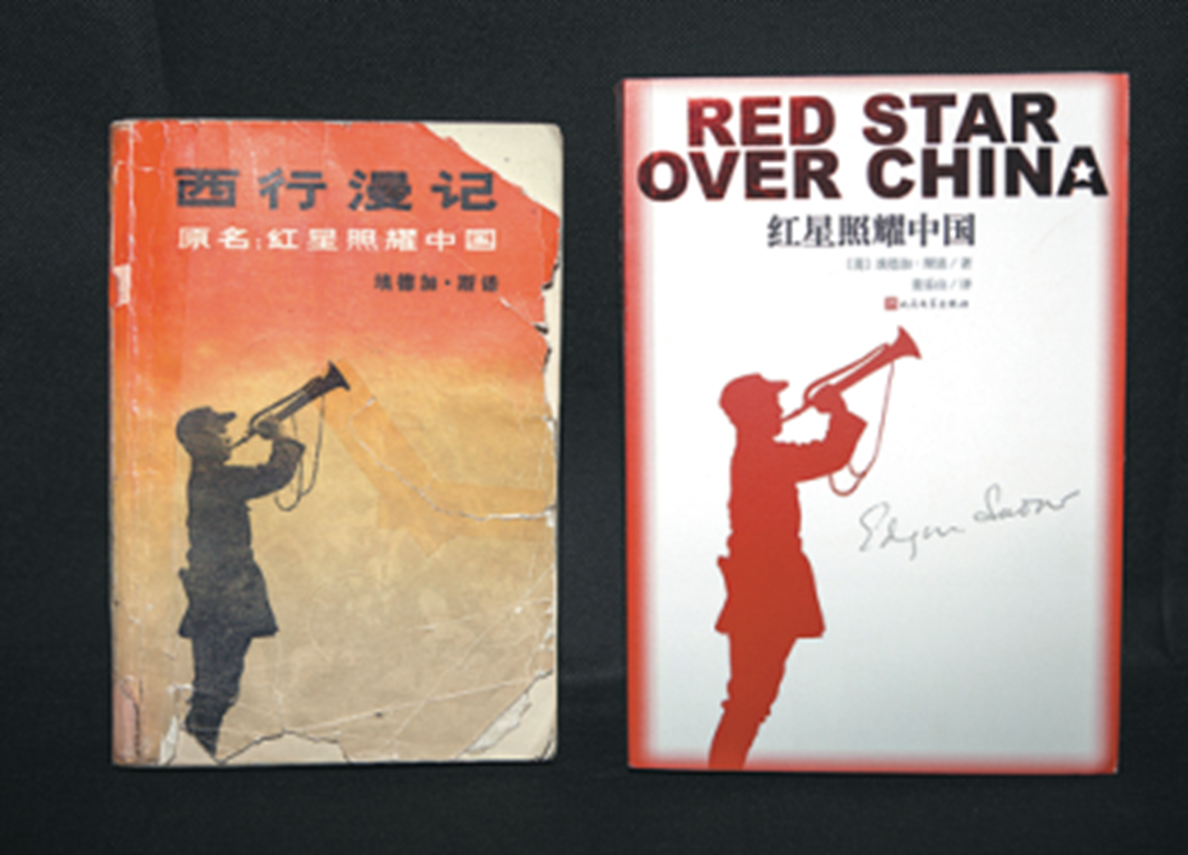
Red Star Over China.
Before Red Star Over China was published, people knew little about the scale, history and goals of the Red Army in the Northwest. Snow's book offered a window into the Red Army and the CPC, enlightening both Chinese and foreign readers.
Edgar Snow in a meeting with Communist officials in 1936.
Notably, in many of his works, including Red Star Over China, Snow depicted Mao Zedong and his followers not as the opportunistic "red bandits" described by the Nationalists, but rather as dedicated revolutionaries who advocated for domestic reforms and were eager to resist Japanese aggression in China. Soldiers of the Red Army were described as "unbeatable" with "sheer dogged endurance" and the "ability to stand hardship without complaint,” winning them the admiration and respect of many Chinese people.
A Hero to Be Remembered
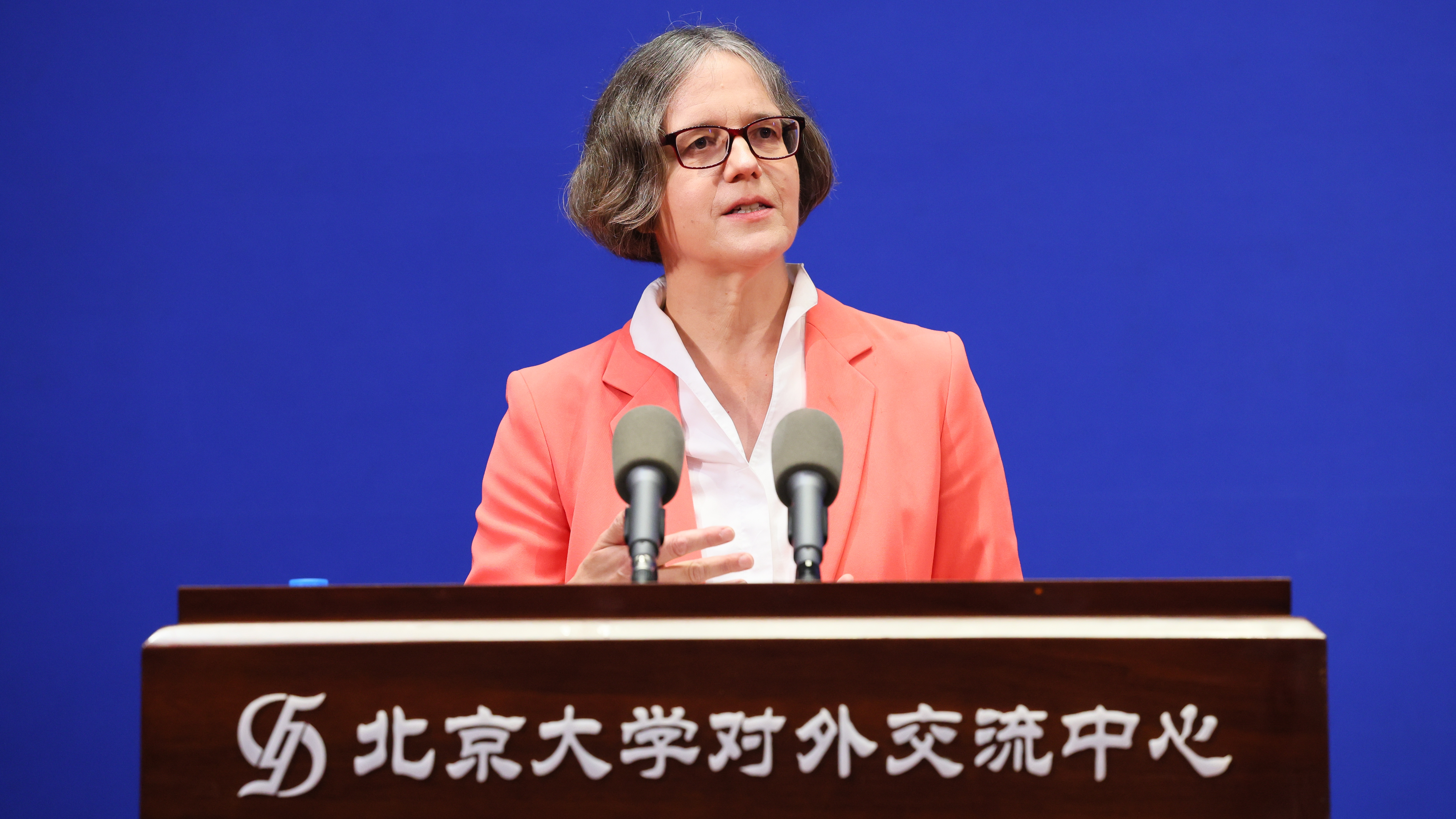
Snow's contributions are celebrated by people in China to this day. Every year, anniversaries of Snow's birth and death, along with other milestones in his life, are commemorated throughout the country. Peking University held an international symposium to commemorate the 120th anniversary of his birth in 2025, gathering high-level officials, Snow scholars from China and the U.S., and representatives of Snow’s family and friends. Fu Hua, president of Xinhua News Agency, called Snow a sincere friend of the Chinese people, while He Guangcai, chair of the PKU Council, reaffirmed the university’s commitment to following Snow’s footsteps in telling China’s stories to the world.
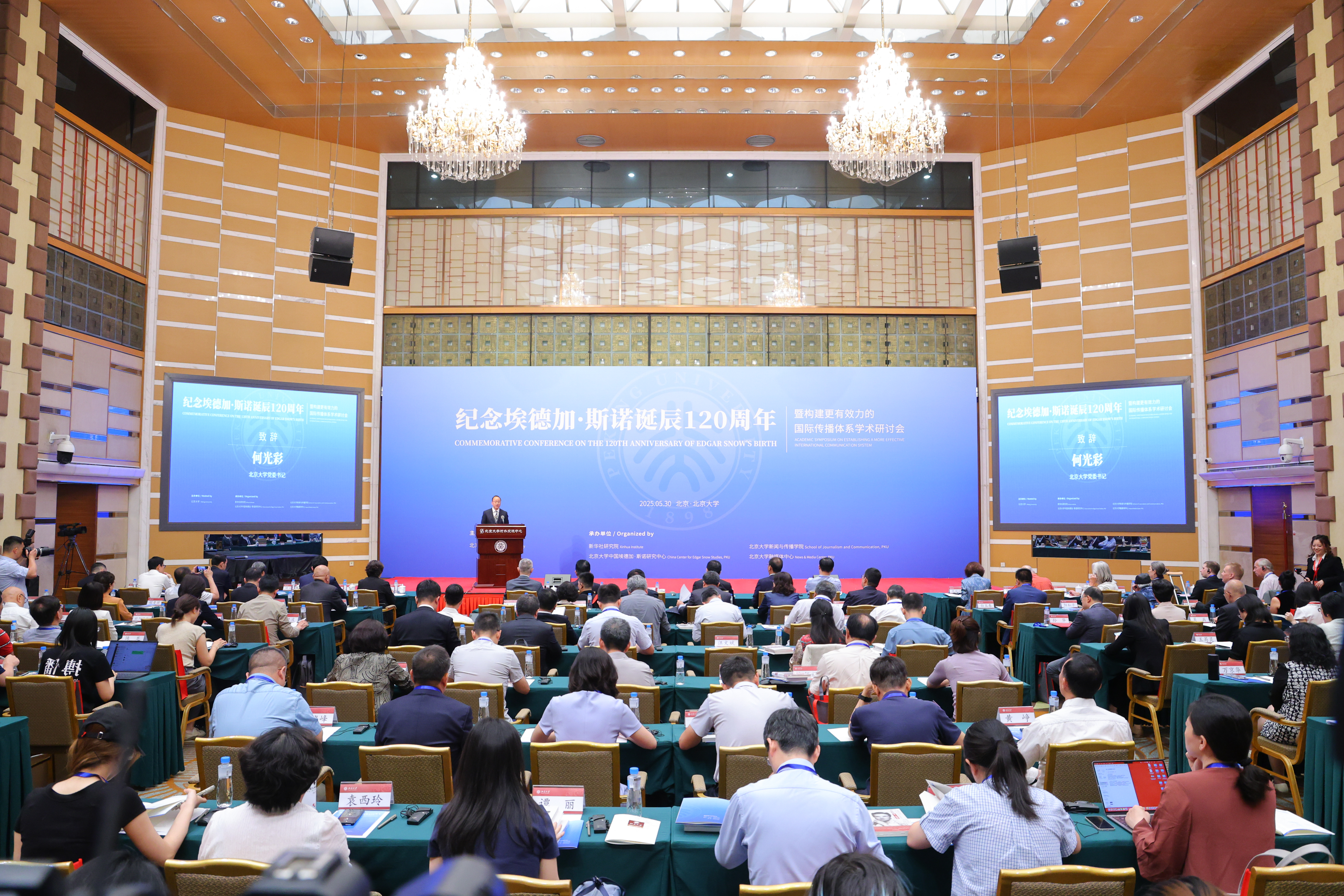
Peking University held an international symposium to commemorate the 120th anniversary of Edgar Snow's birth in 2025.
Snow's entire life was devoted to promoting Chinese culture and improving China-U.S. relations, which inadvertently also led him to form an indissoluble bond with Peking University. Before Snow died, he said, "then if you don't mind, someone please scatter some of the ashes over the city of Peking, and say that I loved China, I should like part of me to stay there after death as it always did during my life." In accordance with his will, after Snow passed away in 1972, part of his ashes was buried on the Yanyuan campus beside the Weiming Lake. The epitaph on his tombstone, carved in both English and Chinese, reads "In Memory of Edgar Snow, American friend of the Chinese people." Over the years, the PKU community remembered Snow in various ways. Some would pay tribute to his tomb on a regular basis, adorning it with flowers, while others would write academic articles on his contributions.
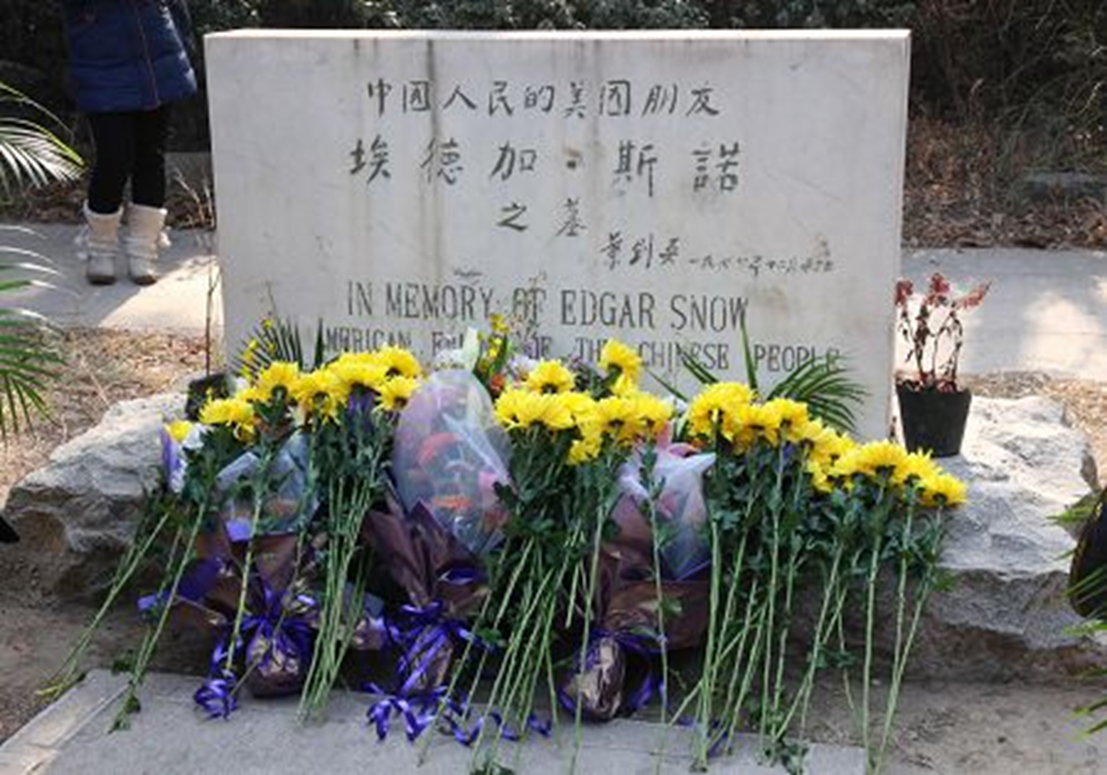
Edgar Snow's tomb on Peking University campus.
Besides, Peking University established the China Center for Edgar Snow Studies, which serves as a platform for academic research and the promotion of cultural communication and cooperation between China and the U.S. Every year, the research center hosts a series of symposiums, seminars and activities to commemorate Snow's outstanding contributions to mutual understanding and the establishment of contacts between China and the U.S. Many of these events feature panel discussions that reflect upon successive efforts made by the governments of the two nations to support people-to-people exchanges.
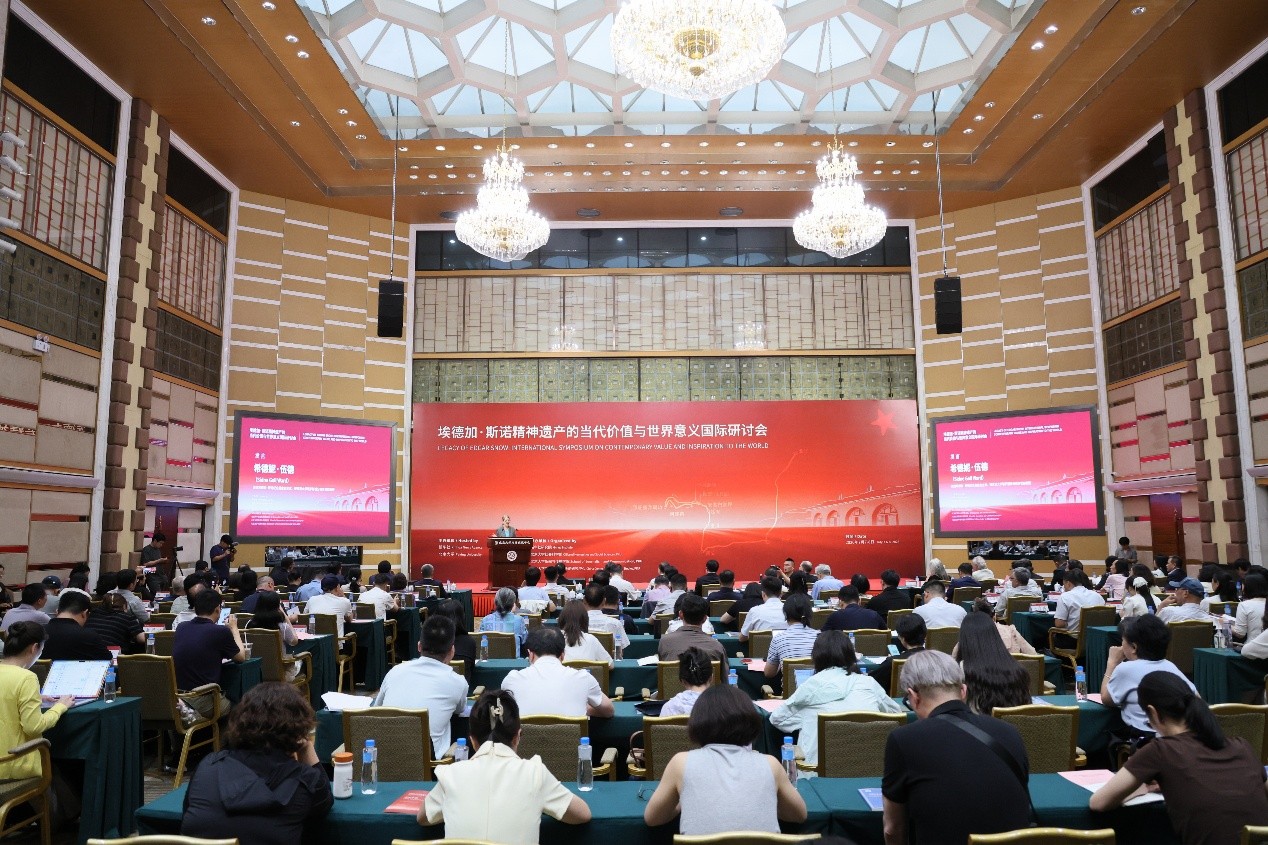
Peking University held a symposium to commemorate Edgar Snow in July 2026.
Writer: Zhao Mengyu, Li Huanqing, June Tan Rui Min
Editor: Rose Li, Zhang Jiang, Chen Shizhuo
Photo: China Daily, China Center for Edgar Snow Studies, Edgar Snow Memorial Foundation, PKU News